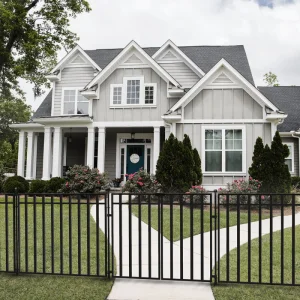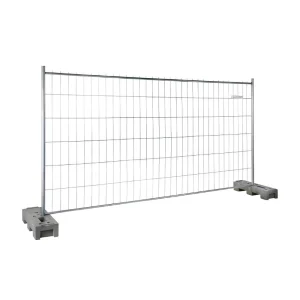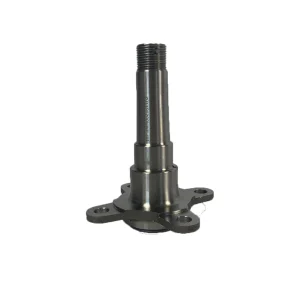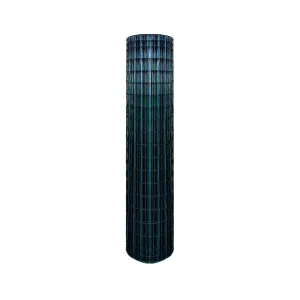
As global urbanization accelerates and the demand for robust industrial perimeter security rises, the role of high-quality metal fence posts has evolved beyond mere boundary marking. Modern infrastructure requires engineered systems that offer durability, rapid deployment, and longevity.
We are witnessing a paradigm shift in how metal posts are manufactured and deployed. Traditional methods are giving way to automated precision engineering. Our factory utilizes high-grade steel combined with advanced hot-dip galvanization and powder coating technologies (such as AkzoNobel), ensuring structural integrity even in harsh, corrosive environments. This shift is critical for government infrastructure, logistics hubs, and high-security residential developments.
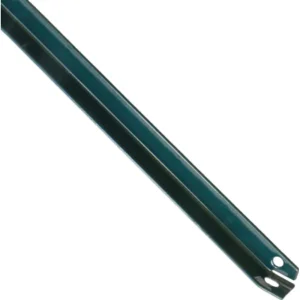
Global trade in construction materials requires strict adherence to regional compliance standards. Whether complying with ASTM (USA), EN (Europe), or AS/NZS (Oceania) standards, our OEM/ODM services are tailored to local environmental conditions. We don't just export products; we export compliance, ensuring every post—from L-posts to heavy-duty industrial pillars—meets the specific wind-load and tensile strength requirements of your target market.
Looking ahead, we are integrating Smart Fence Technology. Future fence posts will not just be structural—they will serve as foundations for IoT sensors, motion detectors, and integrated security camera systems. Our current R&D focuses on lightweight, high-tensile alloys that reduce carbon footprints during shipping while increasing installation speed by 40%.
Annual Export
25,000+ TEU
Countries Served
158+
Workforce
2,200+
Subsidiaries
8
Hebei Minmetals Co., Ltd. is not merely a supplier; we are an engineering partner. With our headquarters in Shijiazhuang, we leverage deep supply chain integration to provide end-to-end solutions for metal fence posts and wire mesh systems. Our expertise bridges the gap between raw manufacturing and global commercial installation, ensuring quality control at every step.
Quality is defined by metallurgical integrity. We focus on the thickness of the zinc coating (measured in g/m²) to prevent oxidation, and the precise welding of the post-cap to prevent water ingress, which is the leading cause of internal corrosion.
Our engineering team utilizes CAD/CAM software to translate your requirements into technical blueprints. We then proceed with prototype manufacturing for stress testing before mass production, ensuring your specific project specs are met.