Application
- Expanded mesh is a versatile material that has a wide range of applications in industries such as construction, architecture, and manufacturing.
- In the construction industry, expanded mesh is commonly used for fencing, building facades, and security screens. It can be used for cladding, sunscreens, or as a feature wall. The open design also allows light to pass through, creating a play of light and shadow that adds depth and dimension to the space.
- Manufacturing industries also benefit from the use of expanded mesh. It is commonly used as a safety barrier in machinery and equipment, providing protection for workers while allowing visibility and access to the operating components.
- Additionally, it can be used as a filter in various applications, such as air conditioning systems or industrial processes, where it effectively traps particles while still allowing the free flow of air or liquid.
Expanded Mesh Specification
| WIR/175MLIMP 1.75 lbs Flat metal lath |
| WIR/25MLIMP 2.50 lbs Flat metal lath |
| WIR/34MLIMP 3.40 lbs Flat metal lath |
| HEB/GDML25 2.50 lbs Dimpled metal lath |
| WIR/RBLTHNPIMP 3.40 lbs rib metal lath no paper |
| WIR/RBLTHIMP 3.40 lbs rib metal lath with paper |
Choice Of Materials
- Expanded mesh is available in a variety of materials, including stainless steel, aluminum, and mild steel. Each material has its own unique properties that make it suitable for different applications.
- Stainless steel offers excellent corrosion resistance, making it ideal for use in outdoor environments or areas exposed to chemicals or moisture.
- Aluminum is lightweight and has a high strength-to-weight ratio, making it suitable for applications where weight is a concern.
- Expanded mesh is a cost-effective and efficient solution for construction, architecture, or manufacturing needs.
What Is Expanded Metal Mesh
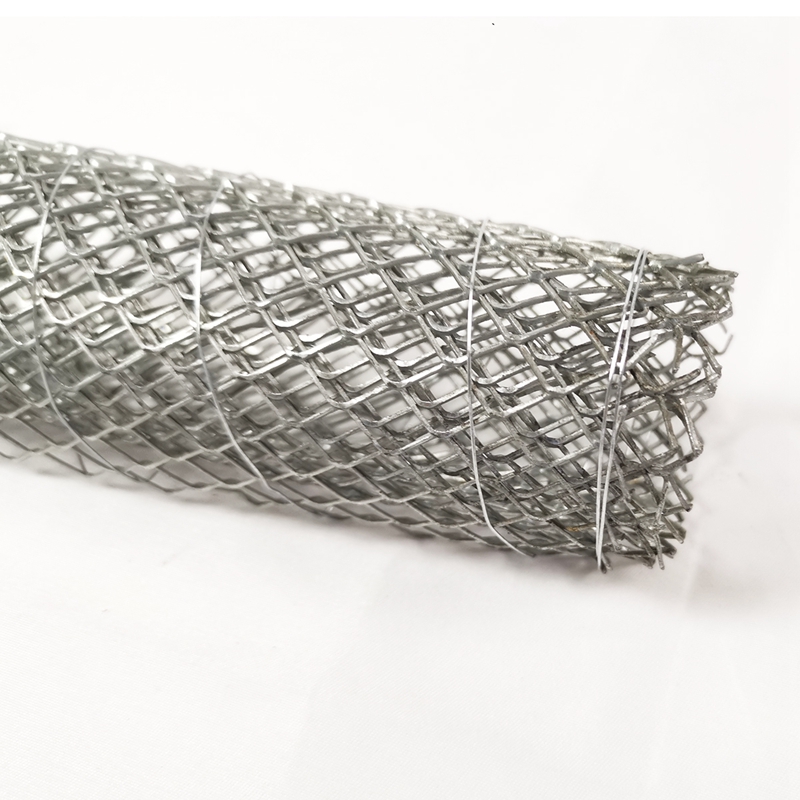
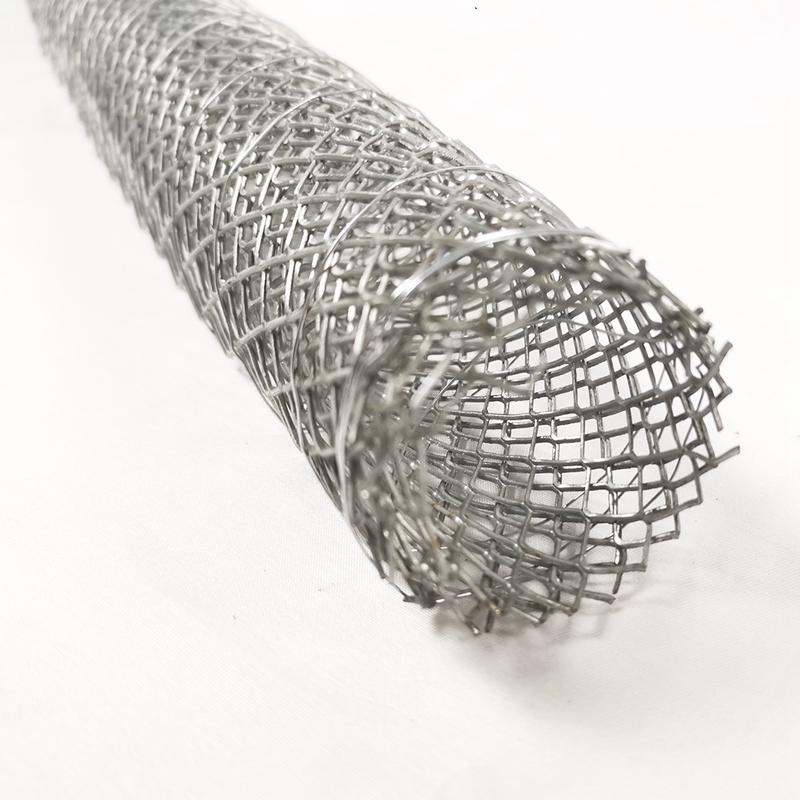
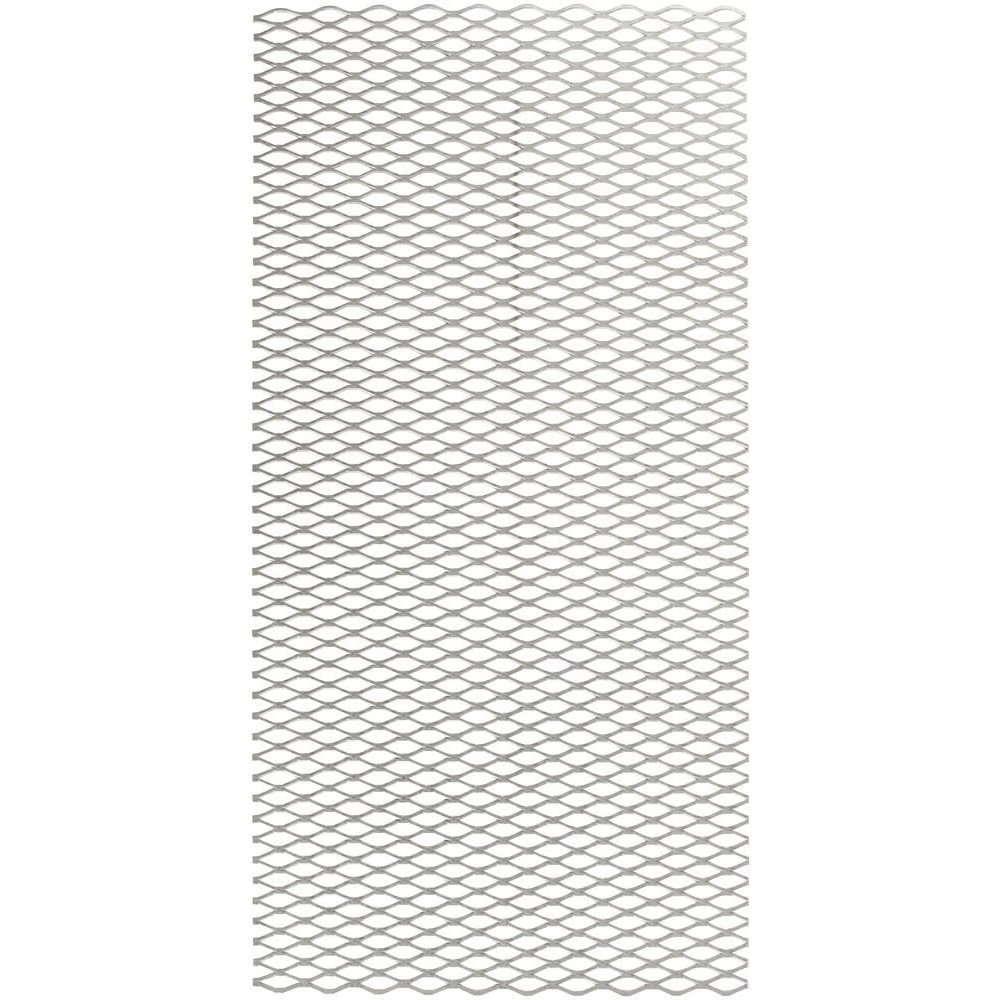
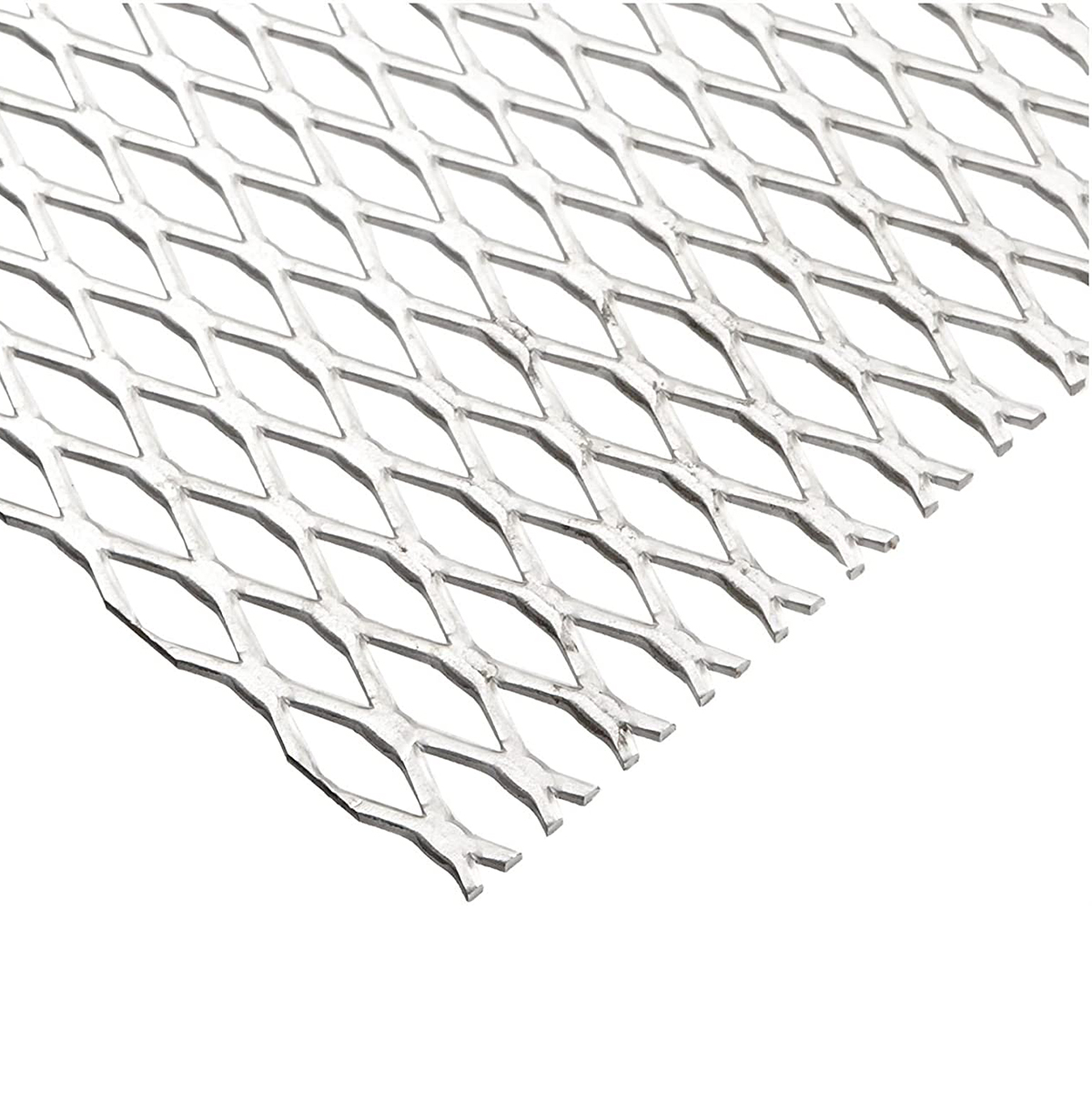
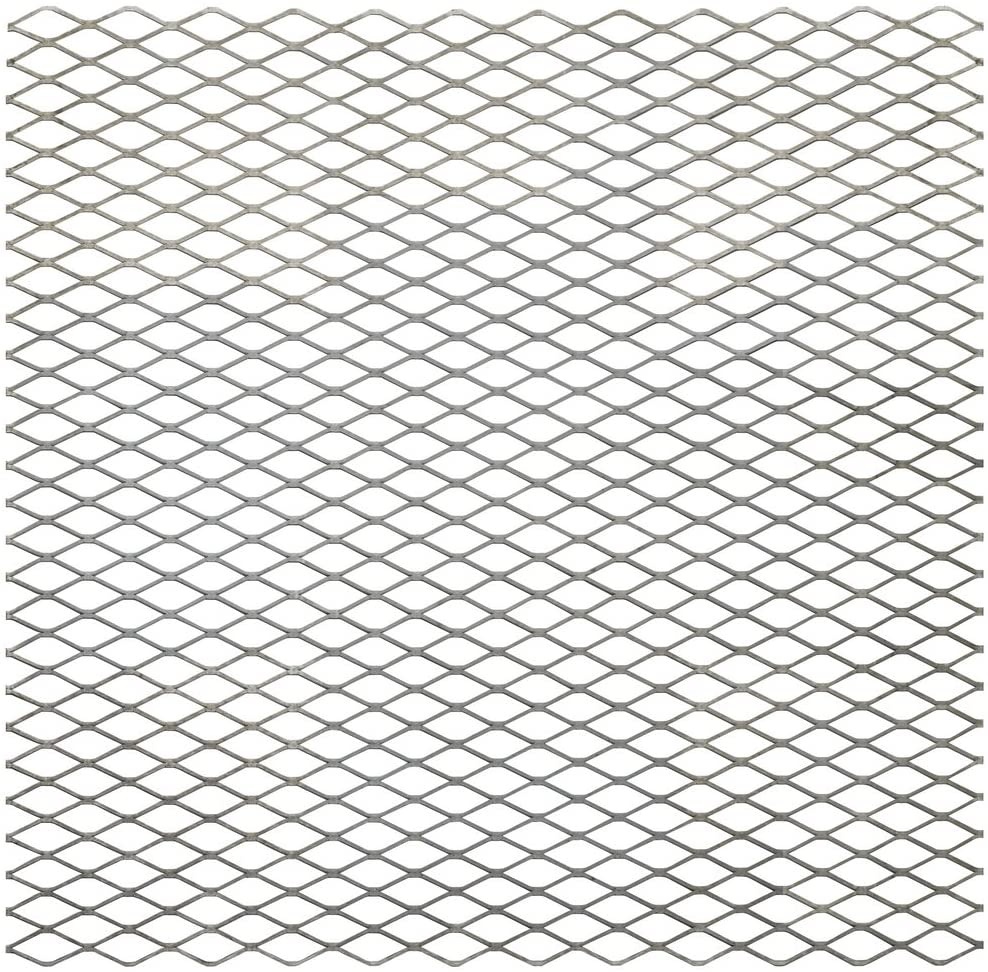
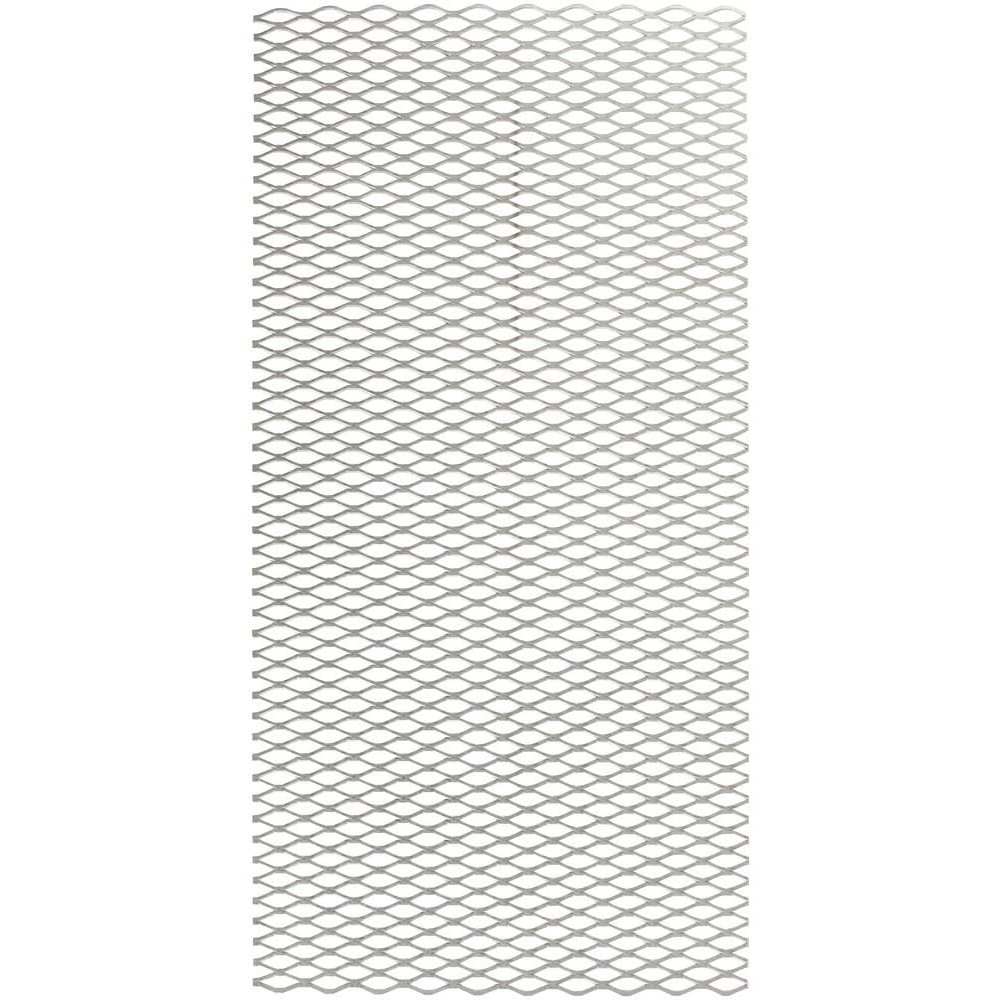
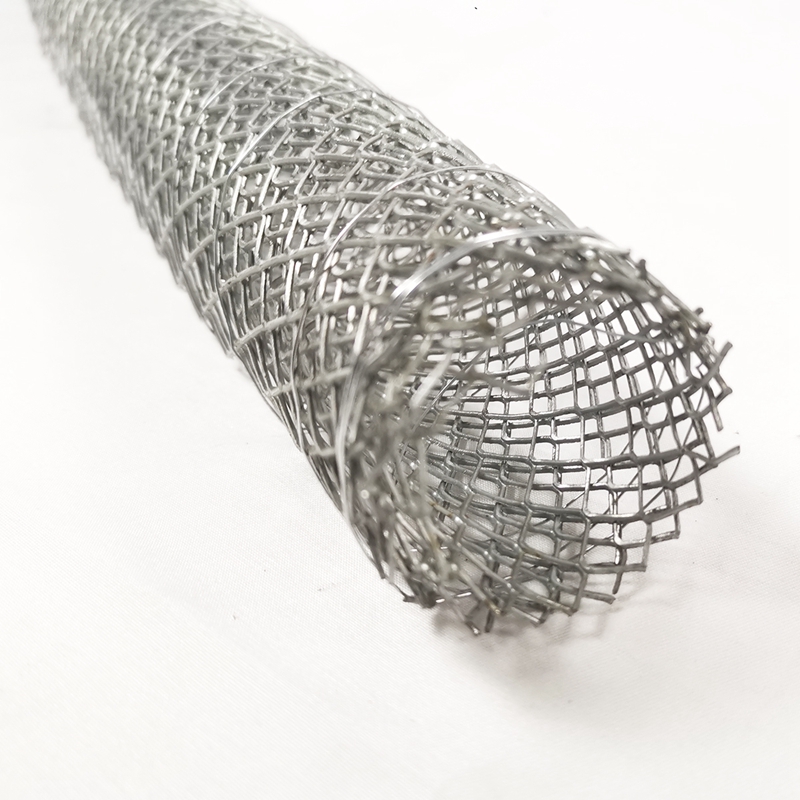
Expanded metal mesh is a versatile and durable material commonly used in various industries, including construction, security, and manufacturing. It is created by cutting a sheet of metal and stretching it to form a mesh with diamond-shaped openings. Unlike welded wire mesh, expanded metal does not require additional joints or welding; the material is simply slit and expanded, making it stronger than traditional sheets of metal. This process results in a lightweight yet robust mesh that can bear heavy loads.
The mesh's structure is ideal for applications where strength, flexibility, and security are essential. Its unique shape allows for excellent airflow, making it an ideal choice for ventilation systems, grilles, and protective barriers. Expanded metal mesh is often used in building facades, stair treads, and platforms due to its ability to withstand harsh environmental conditions while maintaining its form.
Benefits of Expanded Metal Mesh
Strength and Durability
Expanded mesh is inherently stronger than other types of metal sheets because it is formed by cutting and stretching a single sheet of metal, creating a continuous, reinforced structure. This eliminates the need for welding or additional fasteners.
Lightweight Yet Strong
Despite its robust properties, expanded wire mesh remains lightweight due to its open structure. This makes it easy to handle, transport, and install, which can be a significant cost-saving factor in many projects.
Cost-Effective
Expanded metal mesh is often more affordable than traditional welded mesh. The manufacturing process is efficient, with minimal waste, which translates into lower production costs.
Versatility and Customization
Available in various materials such as aluminum, stainless steel, and carbon steel, expanded mesh can be tailored to meet specific needs for different architectural or industrial purposes.
Welded Mesh vs. Expanded Mesh
Welded mesh is created by welding intersecting wires together at right angles, resulting in a strong, rigid structure with uniform spacing. It is typically used for fencing and concrete reinforcement.
In contrast, expanded mesh is produced by cutting and stretching a flat sheet of metal. This process creates diamond or hexagonal openings, allowing for greater airflow, light transmission, and drainage. While welded mesh offers high structural integrity for load-carrying, expanded mesh provides lightweight versatility and enhanced aesthetics.
Standard Sizes of Expanded Metal Mesh
Typically, expanded metal sheets come in standard sizes such as 4 x 8 feet or 3 x 6 feet. The thickness of the base metal generally ranges from 0.035 inches to 0.125 inches. Sheets are categorized into types like standard expanded, flattened, and architectural, with opening sizes typically ranging from 1/2 inch to 1 inch.
Frequently Asked Questions
What is the most common use for expanded metal mesh?
It is widely used for security fencing, building facades, walkway gratings, machine guards, and filtration systems due to its strength and ventilation properties.
How is expanded mesh measured?
It is typically measured by the long way of the diamond (LWD), short way of the diamond (SWD), strand width, and thickness of the material.
Is expanded metal mesh rust-proof?
When made from stainless steel or aluminum, it has excellent natural corrosion resistance. Carbon steel versions can be galvanized or powder-coated to prevent rust.
Can expanded mesh be customized to specific sizes?
Yes, while 4x8 feet is standard, the manufacturing process allows for custom dimensions and various opening patterns to meet specific project needs.
What is the difference between standard and flattened expanded metal?
Standard expanded metal has a raised surface for better grip and strength, while flattened expanded metal is passed through a cold rolling mill to create a smooth, level surface.
Why is expanded mesh considered "green" or sustainable?
The expansion process involves slitting and stretching rather than punching out material, resulting in zero waste during production.