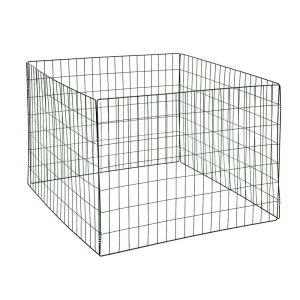

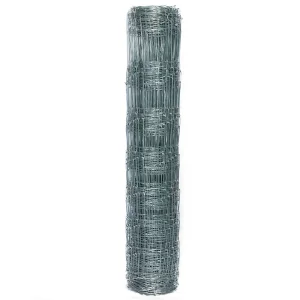
As the global community accelerates towards a circular economy, the demand for industrial-grade composting solutions has surged. Modern Lawn & Garden Composter factories are no longer just manufacturers of plastic bins; they are engineering hubs focusing on aeration dynamics, thermal efficiency, and modular structural design. As a professional supplier, understanding the Information Gain required by B2B buyers—ranging from material longevity (galvanized steel vs. HDPE) to decomposition acceleration—is crucial for maintaining market authority.
Global Industry Status: From Niche to Necessity
The composting industry has experienced a compound annual growth rate driven by municipal organic waste diversion mandates. Leading suppliers are now pivoting towards heavy-duty, weather-resistant solutions that cater to commercial gardening, urban agriculture, and residential needs. The shift is clear: consumers and commercial clients are moving away from disposable, thin-walled plastic containers towards robust, metal-framed composting structures that offer better pest resistance and thermal insulation.
Technological Roadmap & Future Outlook
The future of the composter industry lies in the integration of "Smart Waste Metrics." Future factories are investing in:
- Aeration Optimization: Engineered ventilation patterns that optimize microbial aerobic activity.
- Modular Assembly: Flat-pack manufacturing that reduces global logistics costs without compromising structural integrity.
- Surface Durability: Advanced powder-coating technologies (Akzo Nobel standards) to ensure corrosion resistance in moist, organic environments.
Localization & Application Scenarios
A "one-size-fits-all" approach is failing. Successful global suppliers are customizing their output based on regional climates. High-humidity tropical regions require different ventilation engineering than arid, desert-adjacent environments. Our manufacturing approach at Hebei Minmetals leverages deep data analysis of regional environmental variables to ensure the products provided are purpose-built for the end-user's local ecosystem.