Frequently Asked Questions
What exactly is a field fence?
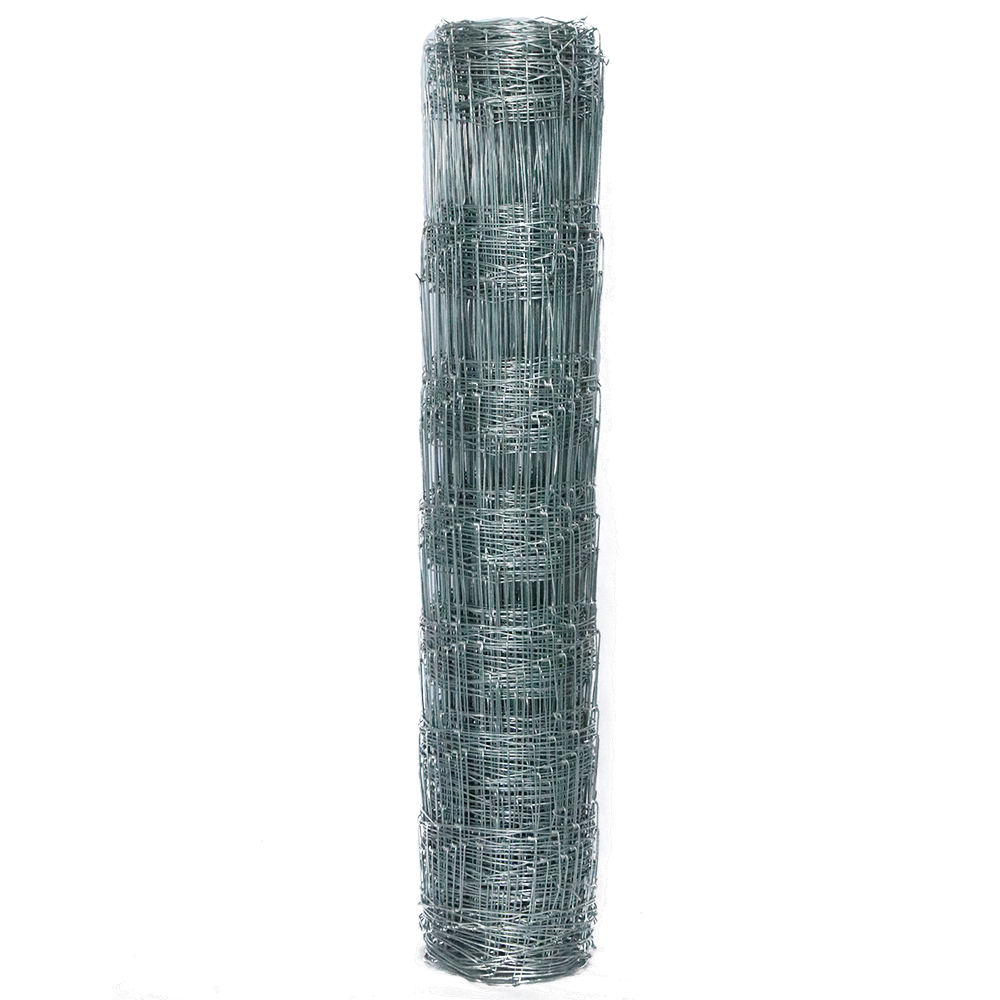
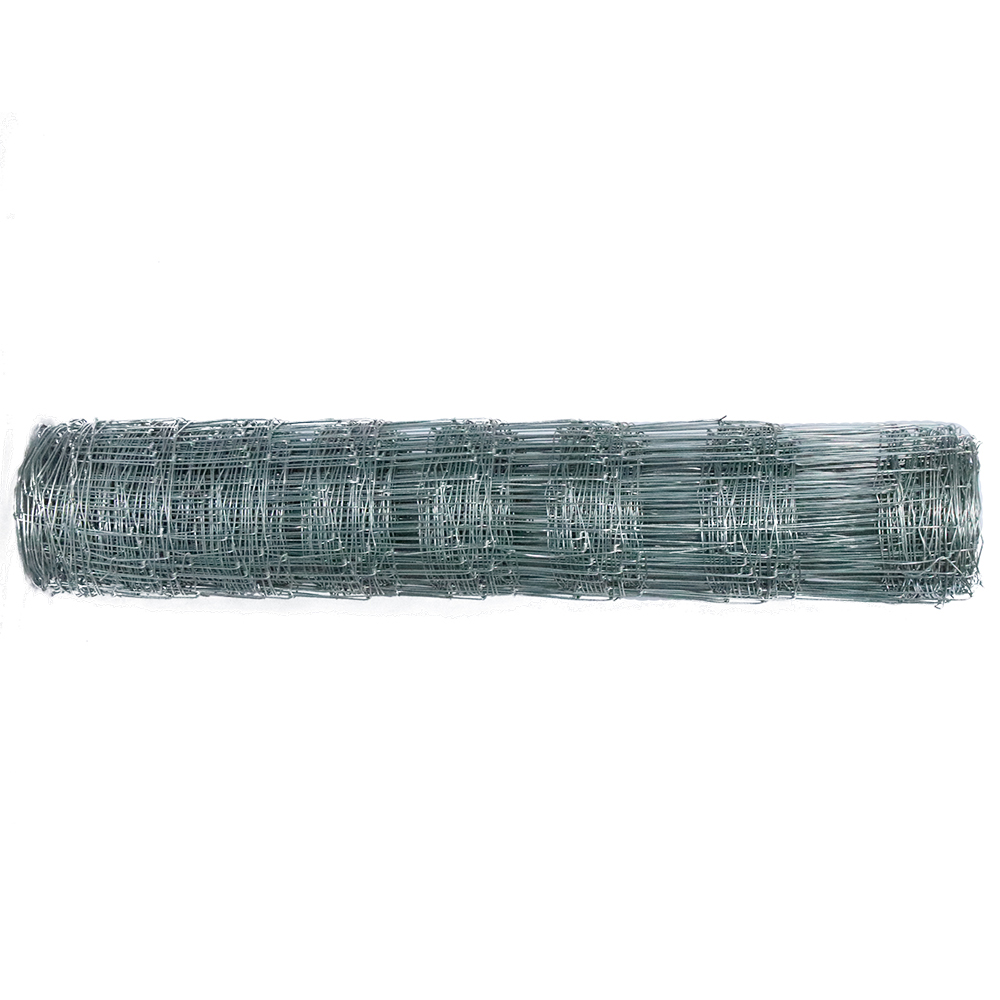
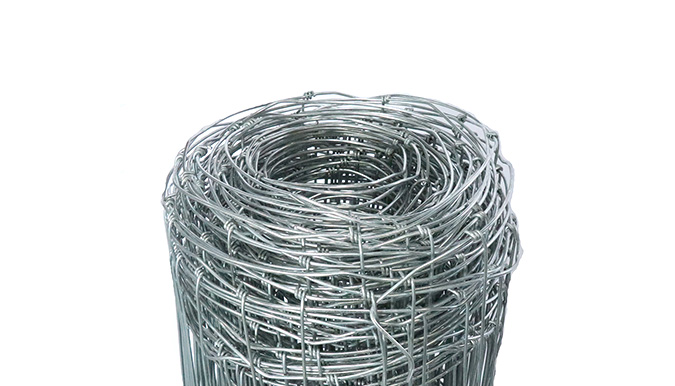
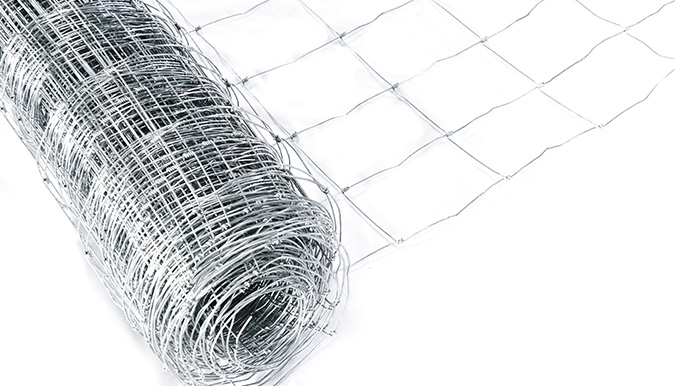
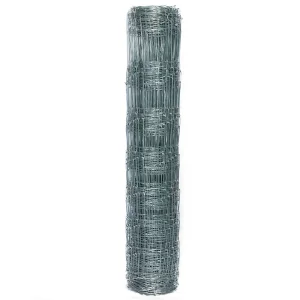
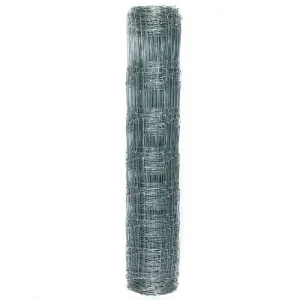
Field fence, frequently referred to as farm or stock fence, is a specialized agricultural fencing designed to create secure boundaries for livestock and protect rural property.
What are the primary uses of this fencing?
It is primarily used to contain various types of livestock (like cattle or sheep), shield agricultural crops from animals, and clearly define property borders in rural settings.
How does field fence contribute to farm security?
By providing a sturdy physical barrier, it ensures the safety of animals and prevents unauthorized access to sensitive farming areas, enhancing overall community security.
Can field fence help with land management?
Yes, it is a vital tool for promoting efficient and sustainable land management by allowing farmers to control grazing patterns and organize their acreage effectively.
What should I consider before installing a field fence?
Landowners should consider the specific types of animals being contained, the terrain of the land, and the required durability to choose the most appropriate materials and techniques.