1 / 2

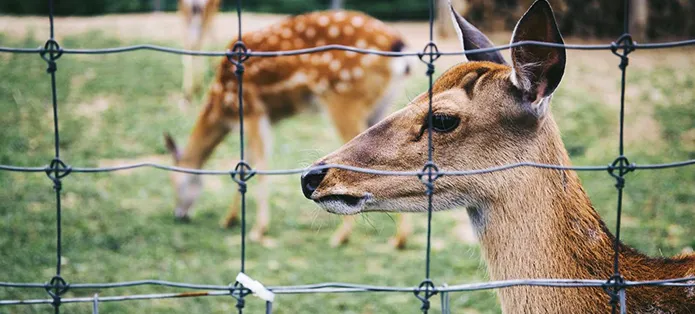
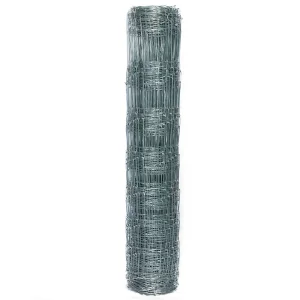
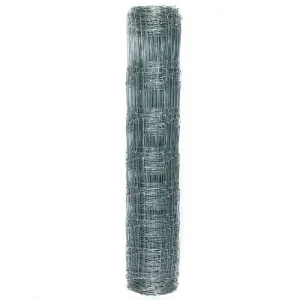
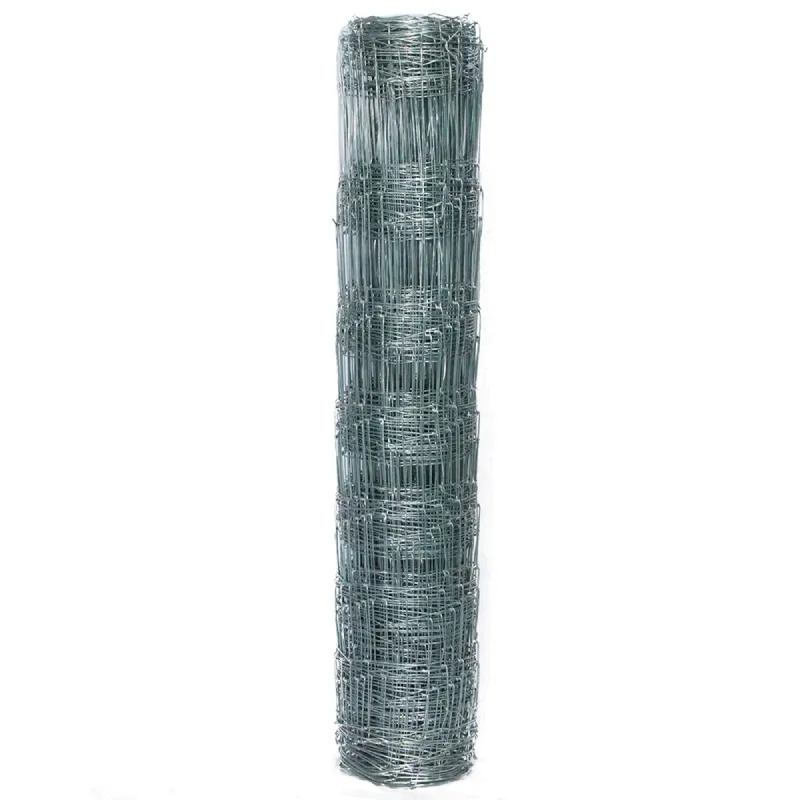
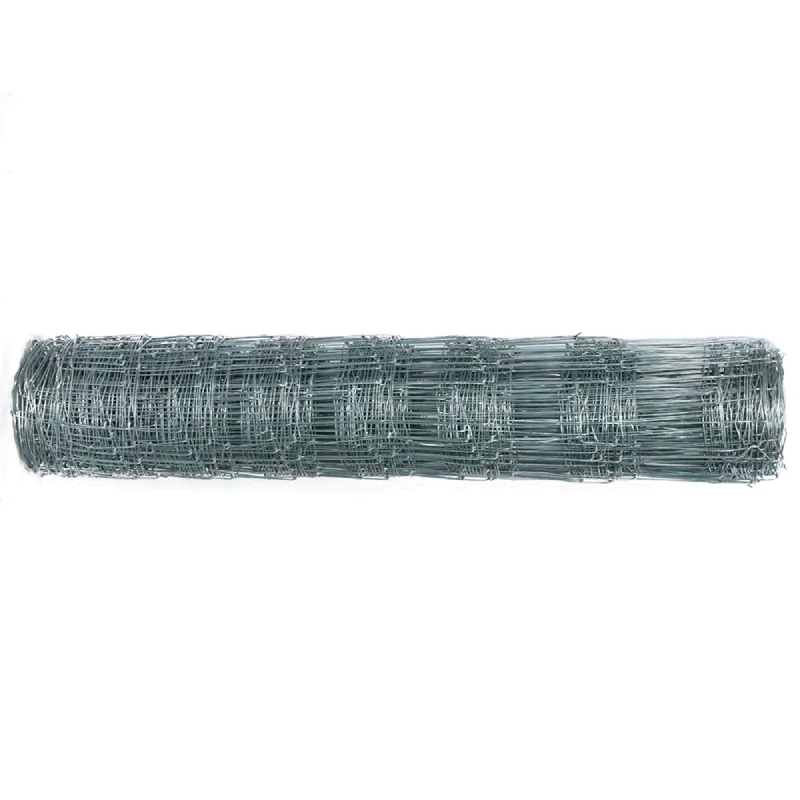
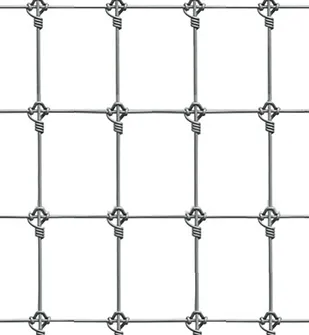
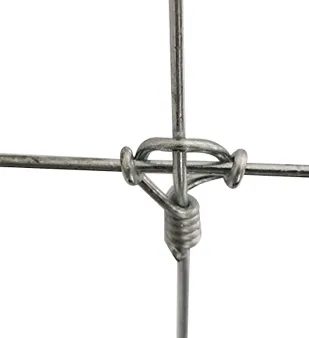
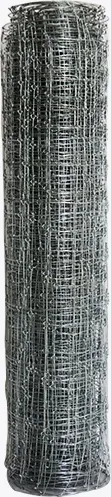
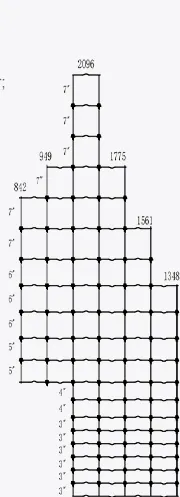
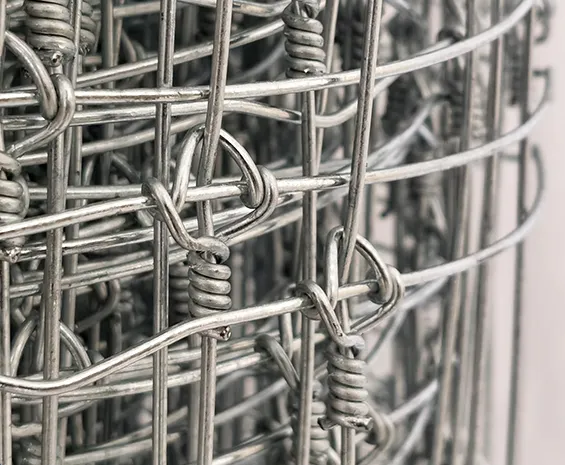
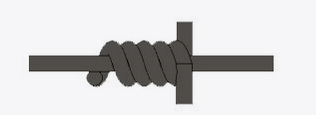
The fixed knot utilizes a third wire which is formed around the crossover points of the horizontal line and the vertical wires. It provides superior strength and allows for increased post spacing. The valuable herds and orchards can be protected both inside and out. It provides superior resistance to movement from animal penetration and climbing and severe snowstorms.
| Item No. | Number of Horizontal Wires | Vertical Spacing | Height | Wire Gauge | Roll Length |
|---|---|---|---|---|---|
| 1561-6 | 15 | 6" | 61" | 12.5ga | 330', 500' or 660' |
| 1775-6 | 17 | 6" | 75" | 12.5ga | 330', 500' or 660' |
| 1584-6 | 18 | 6" | 84" | 12.5ga | 330', 500' or 660' |
| Jun-96 | 20 | 6" | 96" | 12.5ga | 330', 500' or 660' |
| Dec-96 | 20 | 12" | 96" | 12.5ga | 330', 500' or 660' |
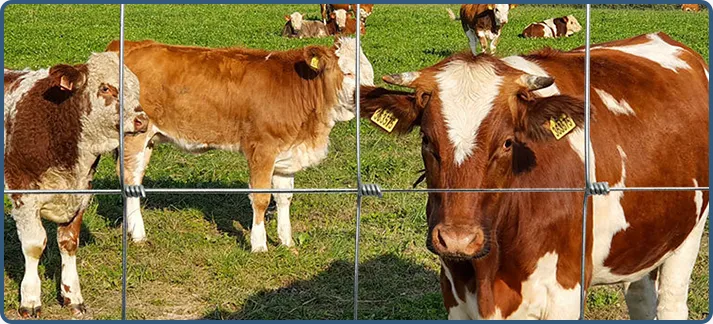
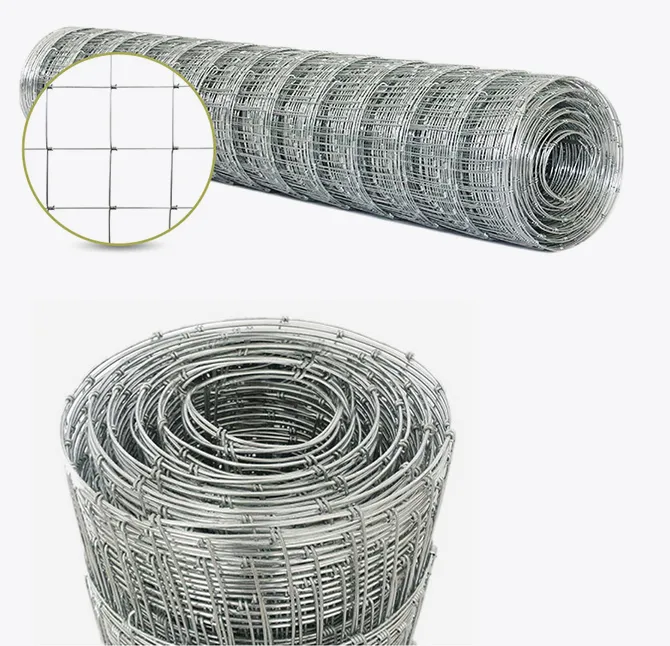
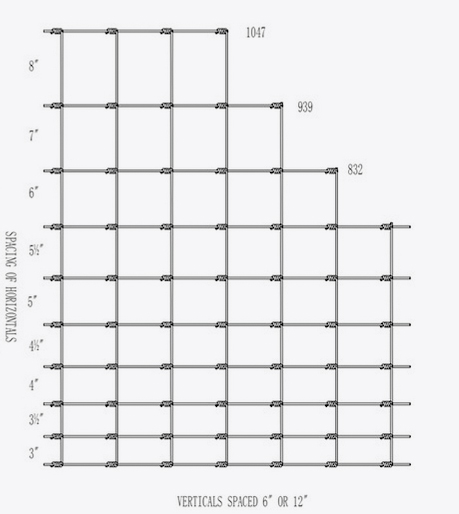
The hinge joint is formed by horizontal line wire and vertical staywire joint made by wrapping stay wire around line wires. It allows the fencing to give under pressure and spring back into shape. Under changing weather it expands or contracts, giving flexibility and added strength. It is popular in agricultural field fencing because of its flexibility. As an economical choice, it can withstand animal impacts without breaking.
| Item No. | Horizontal Wires | Height | Vertical Spacing | Top/Bottom Wire | Filler Wire | Roll Length |
|---|---|---|---|---|---|---|
| 1047-12-12.5 | 10 | 47" | 12 | 12.5ga | 10ga | 100'/200'/330' |
| 939-12-12.5 | 9 | 39" | 12 | 12.5ga | 10ga | 100'/200'/330' |
| 832-12-12.5 | 8 | 32" | 12 | 12.5ga | 10ga | 100'/200'/330' |
| 726-12-12.5 | 7 | 26" | 12 | 12.5ga | 10ga | 100'/200'/330' |
| 1478-6-12.5 | 14 | 78" | 6 | 12.5ga | 12.5ga | 100'/200'/330' |
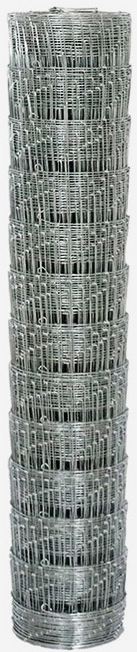
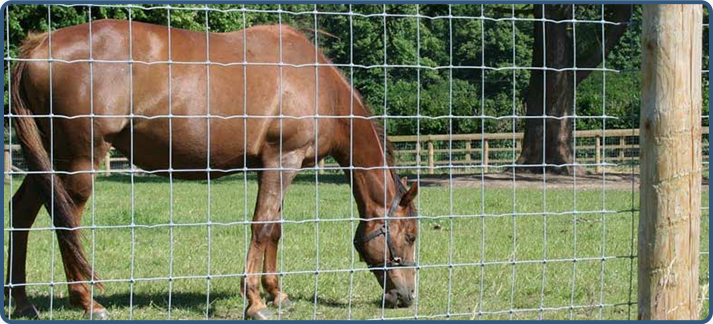
The X knot is formed by a separate piece of wire tying the crossover points of the line and stay wires, it provides extra vertical strength to withstand impact from animals. The X knot is a good choice for animal hair and skin protection, the knot makes it the preferred option for horses, sheep, and goats.
| Item No. | Spacing | Height | Top/Bottom Wire | Filler Wire | Roll Length |
|---|---|---|---|---|---|
| 1036-2-12.5 | 4" x 2" | 36" | 10ga | 12.5ga | 100'/200'/330' |
| 1348-2-12.5 | 4" x 2" | 48" | 10ga | 12.5ga | 100'/200'/330' |
| 1660-4-12.5 | 4" x 4" | 60" | 10ga | 12.5ga | 100'/200'/330' |
| 1972-4-12.5 | 4" x 4" | 72" | 10ga | 12.5ga | 100'/200'/330' |
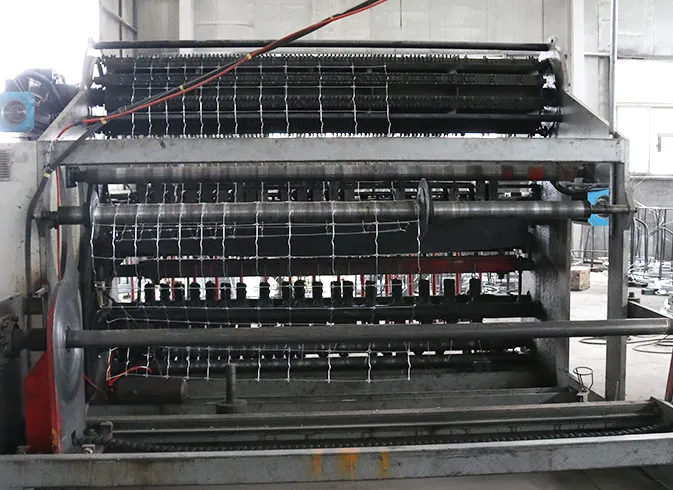
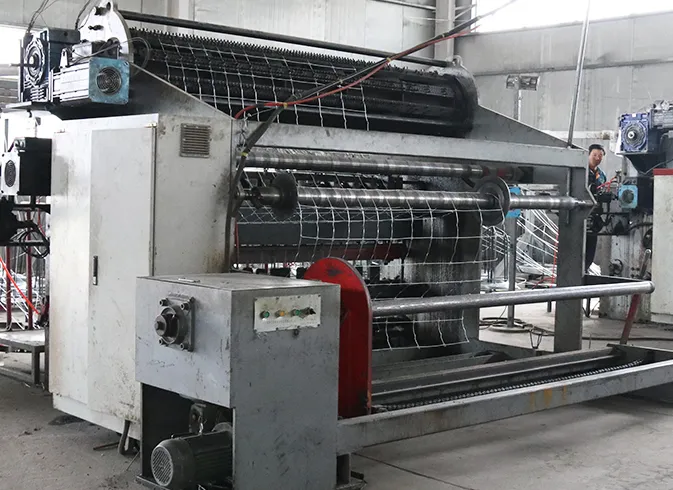
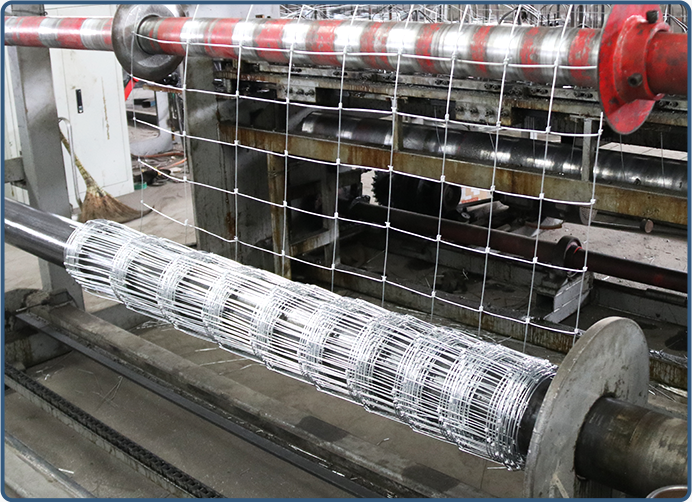
When it comes to choosing a reliable and durable high-tensile field fence, it is important to select a leading manufacturer in the industry. Bulk field fence options are designed to meet the rigid demands of agricultural and property boundary needs, ensuring optimal security and livestock management.
Field Fence: Best for livestock containment and animal safety. Flexible and animal-friendly mesh.
Barbed Wire: Focused on deterrence and security. Ideal for perimeter protection in military or ranch zones.
Chain Link: High security and rigid structure. Best for protecting valuable equipment and barns.