1 / 5

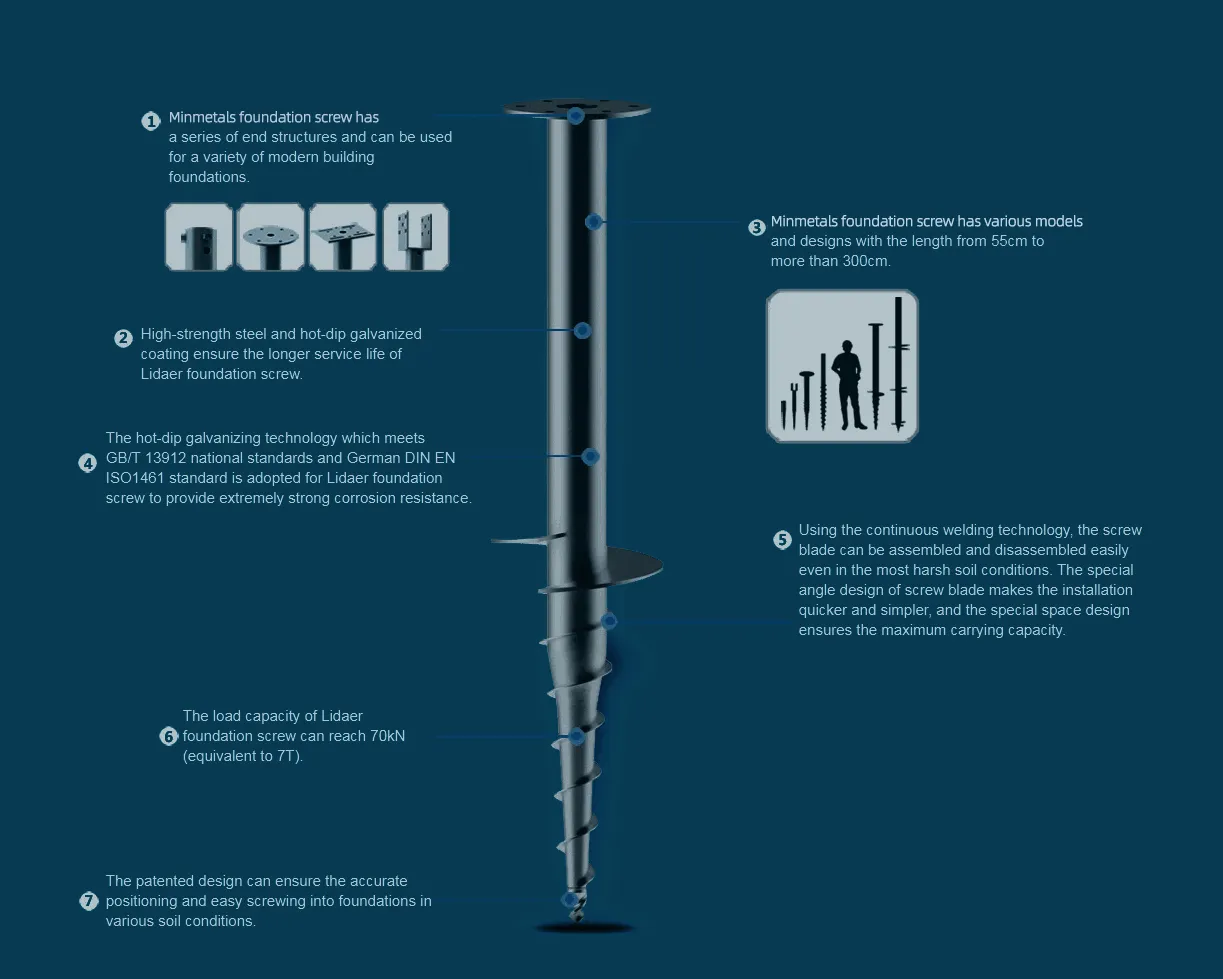
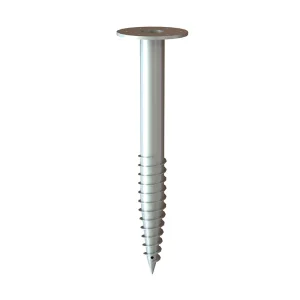
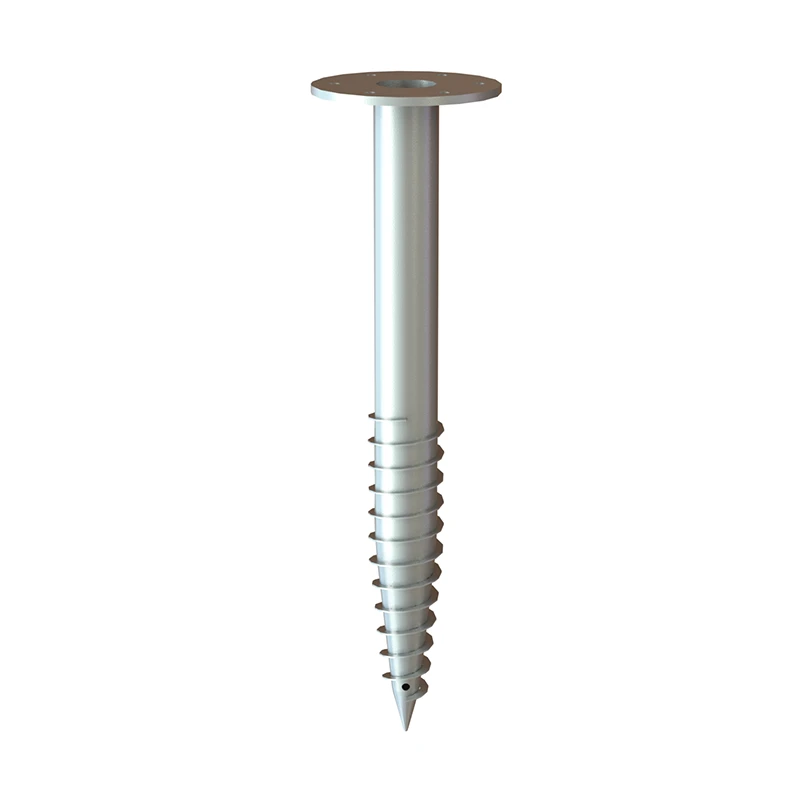
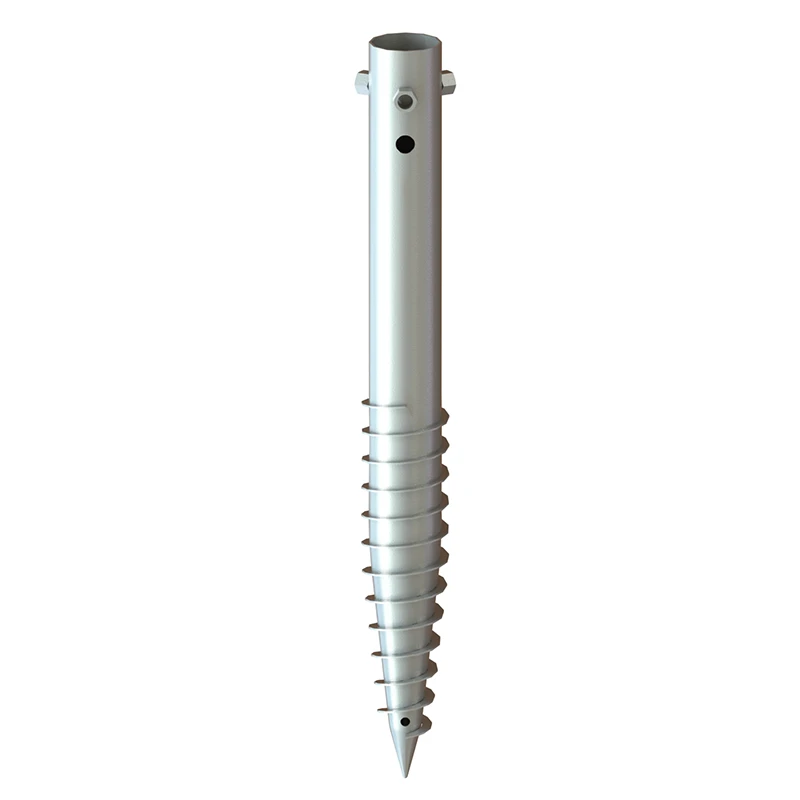
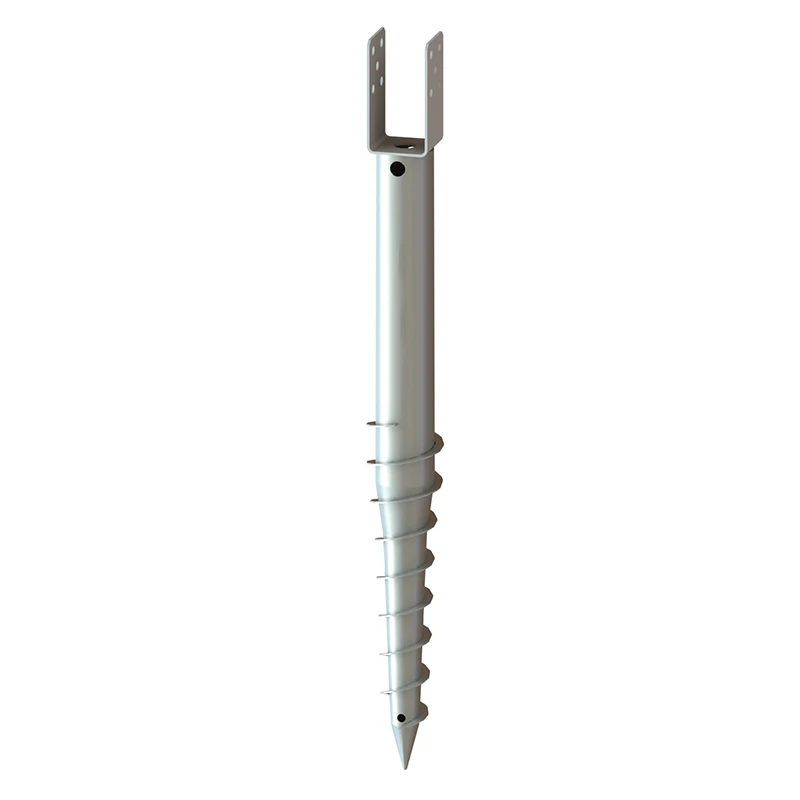
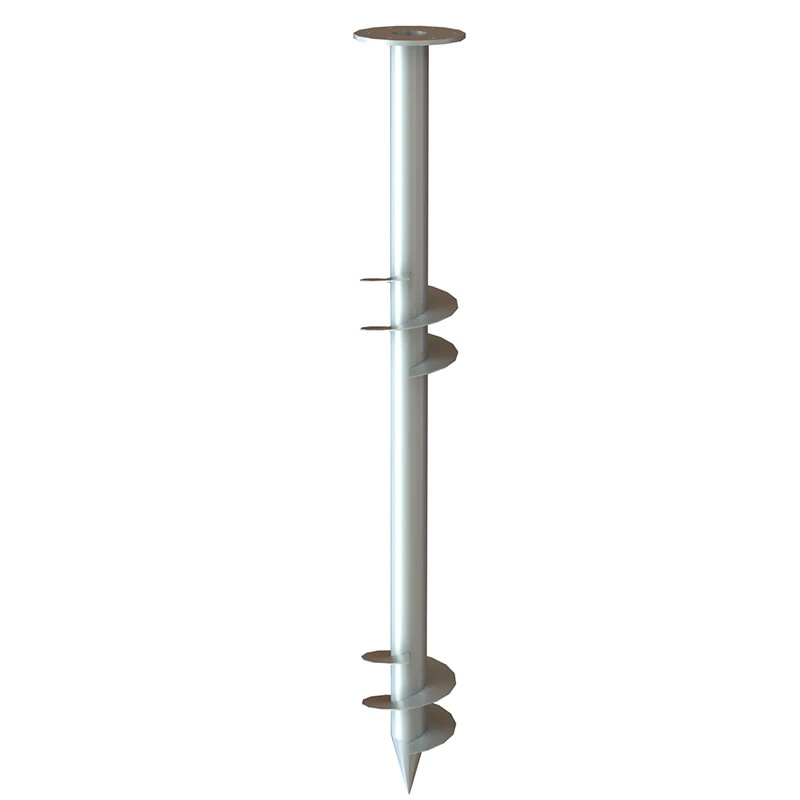
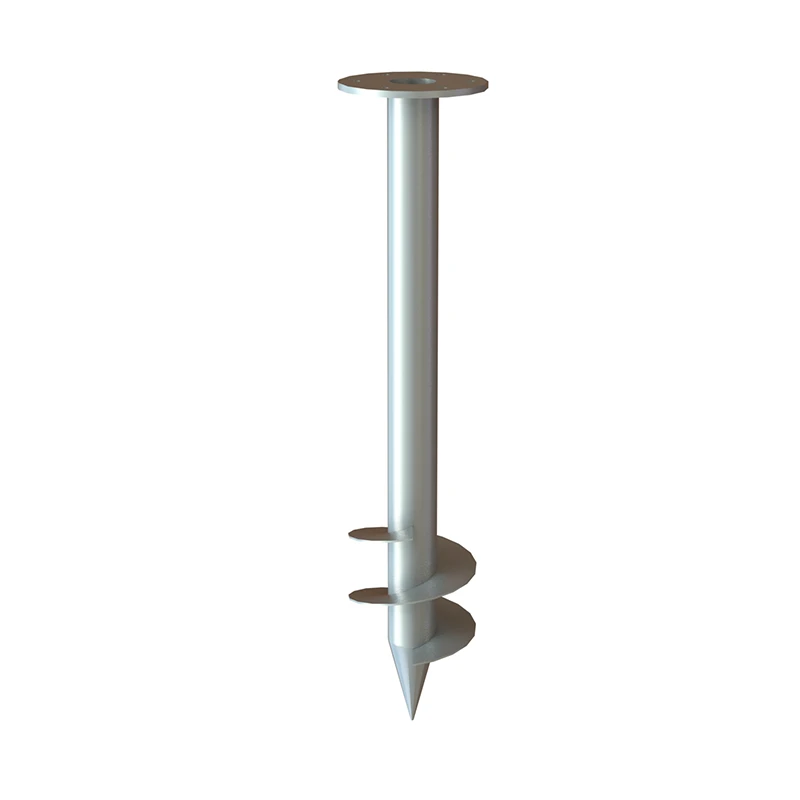
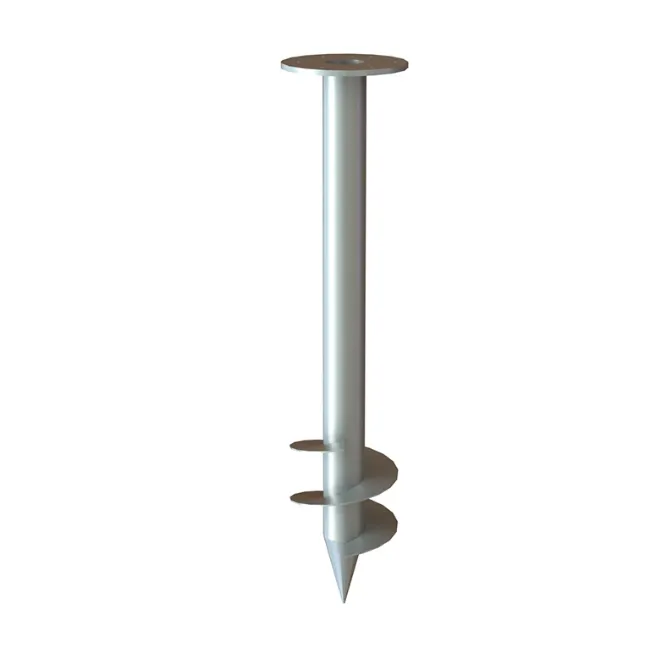
Structural Features: J series ground screws are equipped with three or four threaded screws, u shape bracket or square or round flange depending on application.
Application Range: Ideal for simple and quick installation of horizontal and vertical wooden beams, fence posts, masts or road signs. Also widely used in solar panels, walkways, bridges, and housing construction.
Surface Treatment: High-quality hot-dip galvanized steel, stable and reliable, in accordance with German DIN EN ISO 1461 standard.
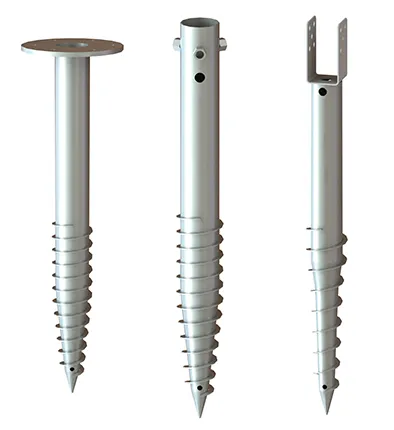
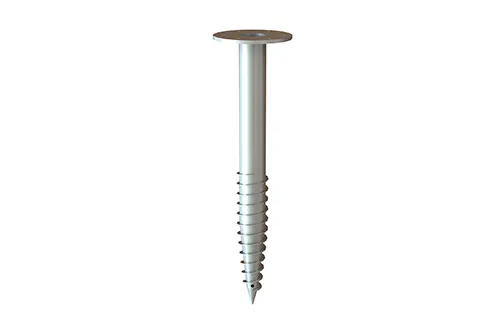 HM-JFA
Hot dip galvanized
Small blade with flange
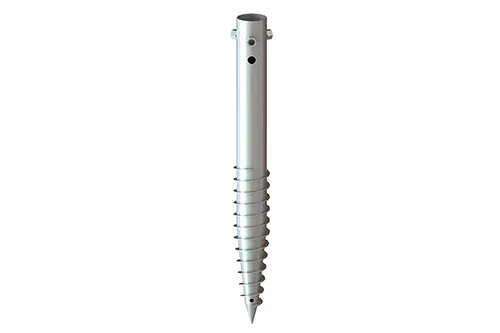 HM-JN
HM-JN
Hot dip galvanized
Small blade with threaded screws
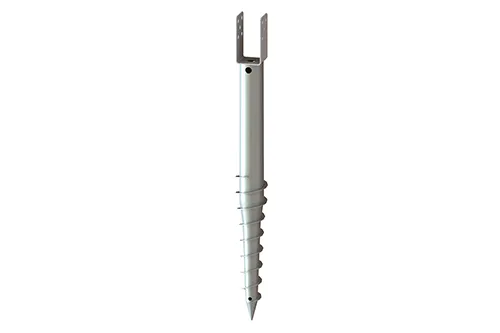 HM-JYU
Hot dip galvanized
Small blade with U shape
Structural Features: Equipped with several large blades depending on soil features. Threaded screws or flange can be added depending on application.
Application Range: Used in structures with soft soil and high pulling force. Ideal for fence posts, masts, road signs, solar panels, and housing construction.
Surface Treatment: Hot-dip galvanized steel according to DIN EN ISO 1461 standard.
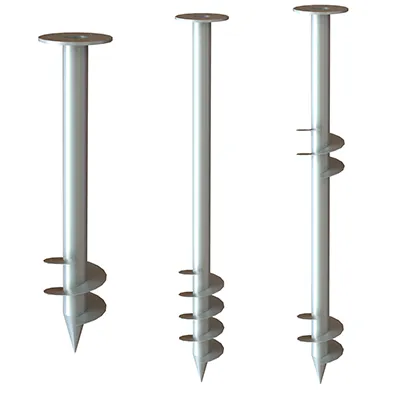
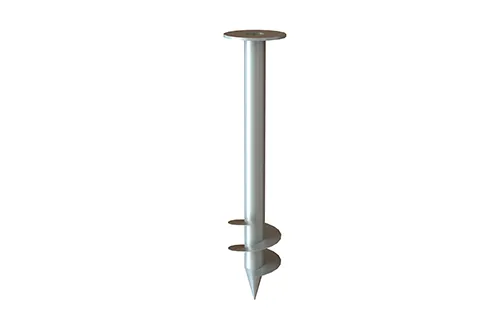 HM-VD2FA
Single large 2D blade
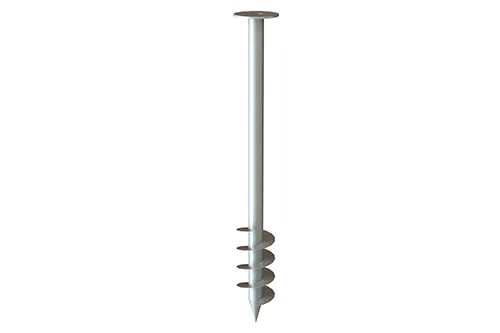 HM-VD4FA
Single large 4D blade
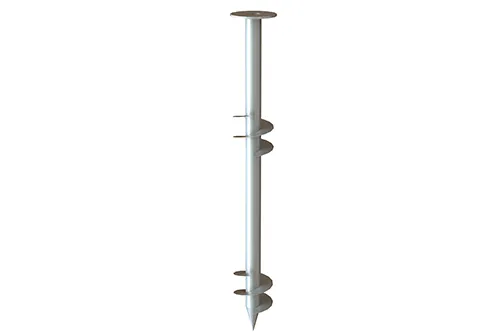 HM-V2D2FA
Double large 2D blade
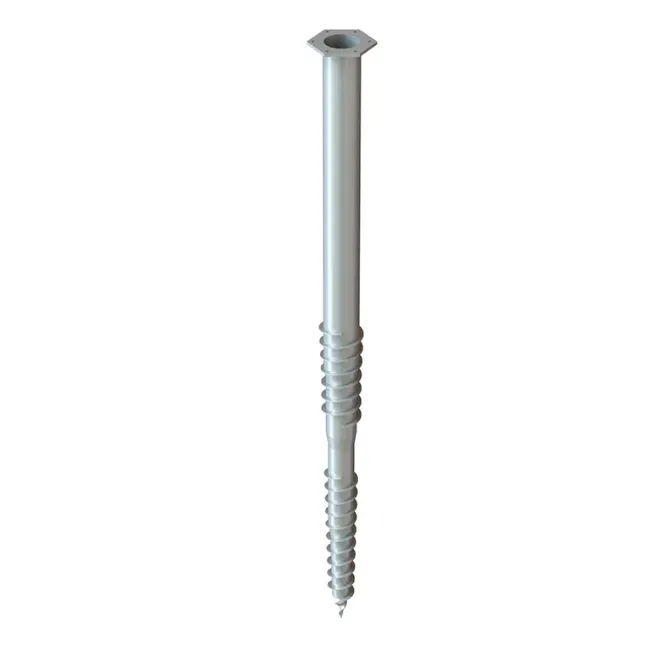
Structural Features: Equipped with multi-stage small blades or combined with large blades. Versatile attachment options (threaded or flange).
Application Range: Often used in clay soil, plain fill, or silt. Easy and quick to install for fencing, solar, and bridges.
Surface Treatment: High-quality hot-dip galvanized steel.
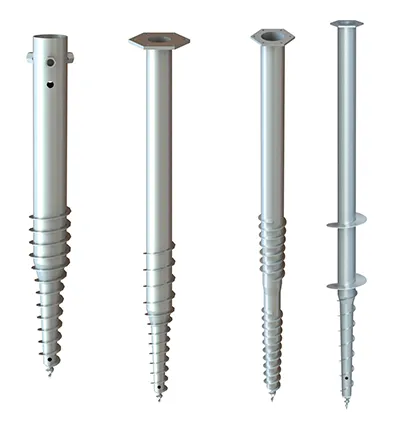
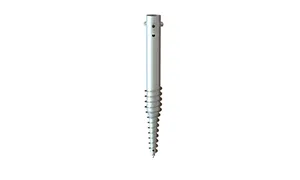 HM-YN
HM-YN
Multi-stage small blade
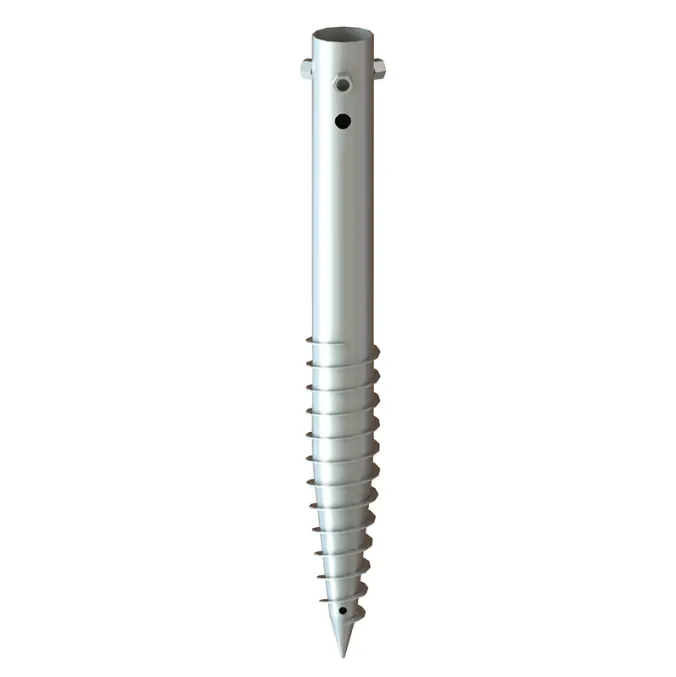
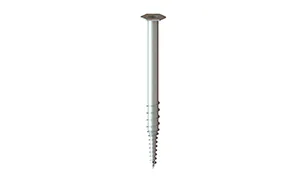 HM-YH
HM-YH
Multi-stage small blade + flange
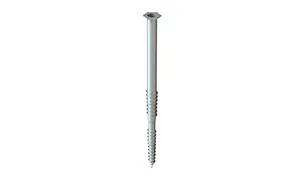 HM-YHS
Double continuous blade
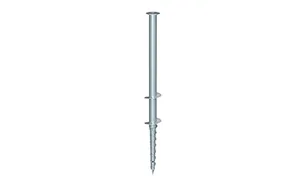 HM-YDH
Small + double large blade
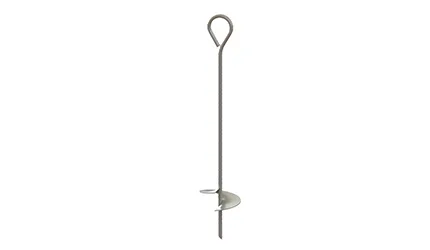
Used to stretch and secure chains, ropes, and wires.
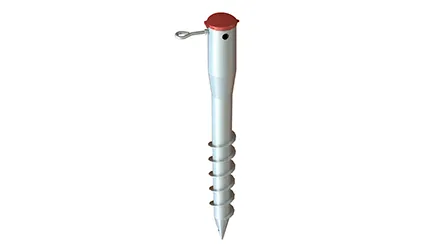
Lightweight, portable for umbrellas, tents, and temporary structures.
Outperform traditional foundations with ground screw anchors—the modern solution for rapid, eco-friendly structural stability. Unlike concrete footings that require excavation, curing time, and environmental disruption, ground screw anchors install in minutes.
Install in hours, not days. No curing means projects proceed instantly with minimal site disturbance.
Helical design grips below frost lines, preventing seasonal movement even in flooding or frost heave conditions.
Reduce labor, equipment rentals, and material waste. No mixing, pouring, or formwork required.
Technical Superiority: Engineered from hot-dip galvanized steel, these anchors support loads up to 50kN. Tests show 200% greater tensile strength versus concrete in sandy or clay-heavy soils.
Prep Site
Clear rocks/roots. Mark locations to avoid misalignment.
Start Screw
Position perfectly vertical. A 5° tilt causes instability.
Drive Depth
Run motor at 25-35 RPM. Reach below the local frost line.
Attach
Bolt brackets directly. Use shims for leveling.
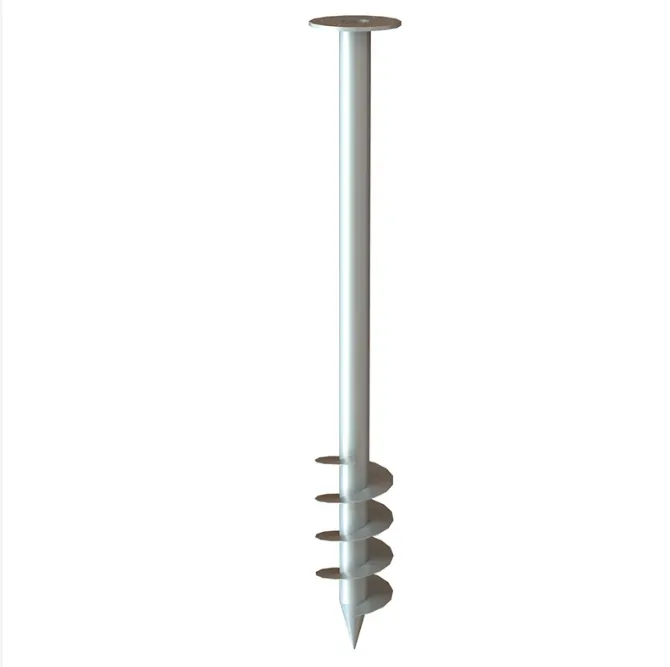
"No need for concrete—just drive them in and start mounting. These save us time and labor on every job."
"Perfect for temporary structures. Easy to install, hold well, and are reusable for future events."
"The stability is remarkable, even during storms. Essential for our seasonal vineyard schedules."
"I was surprised at how easy it was to install my backyard deck. Held up all winter without shifting!"