1 / 4


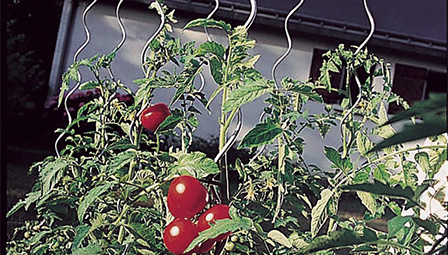
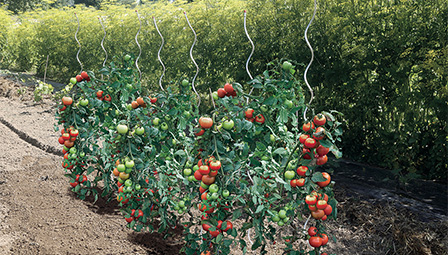
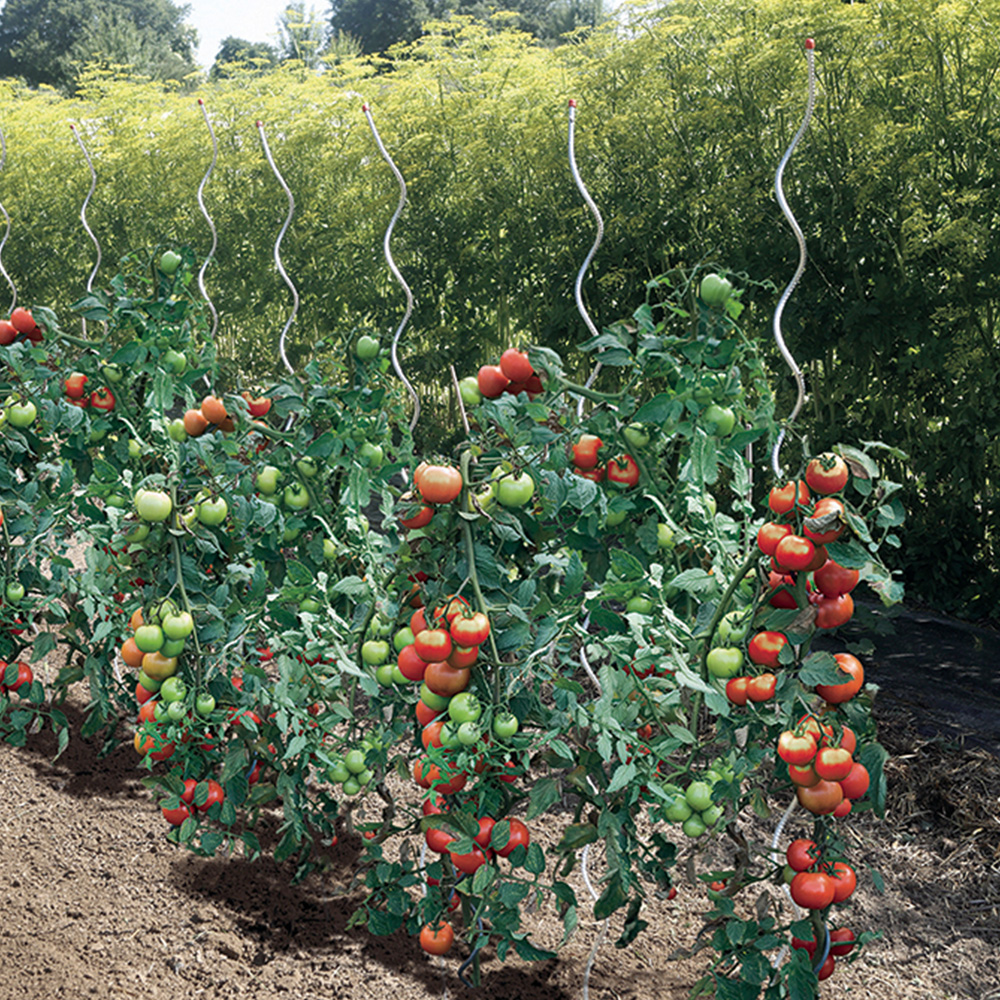
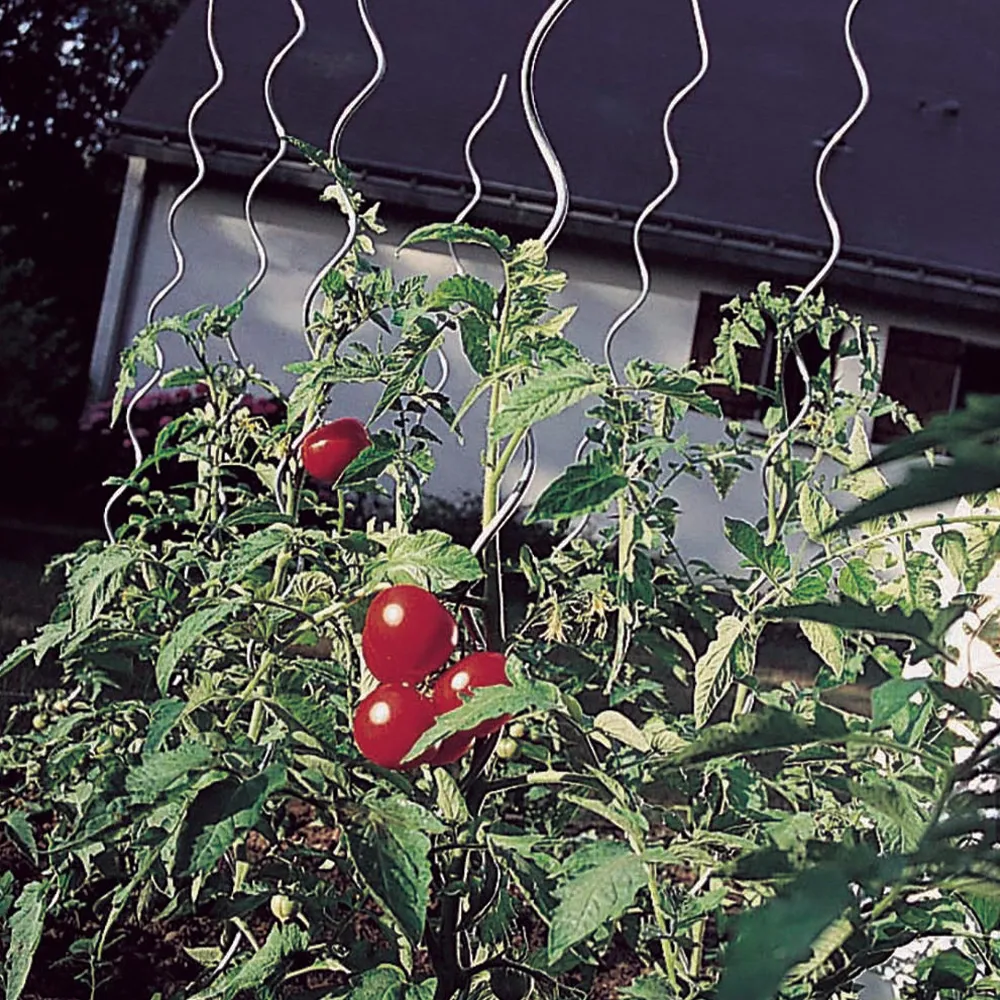
Growing tomatoes can be one of the most rewarding experiences for a home gardener. However, to achieve optimal growth and yields, it is crucial to provide proper support to your tomato plants. One effective tool for this purpose is spiral tomato stakes. These innovative stakes not only offer support but also help increase air circulation and sunlight exposure, ultimately promoting healthier plants.
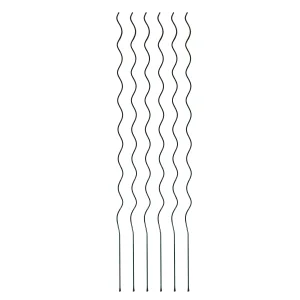
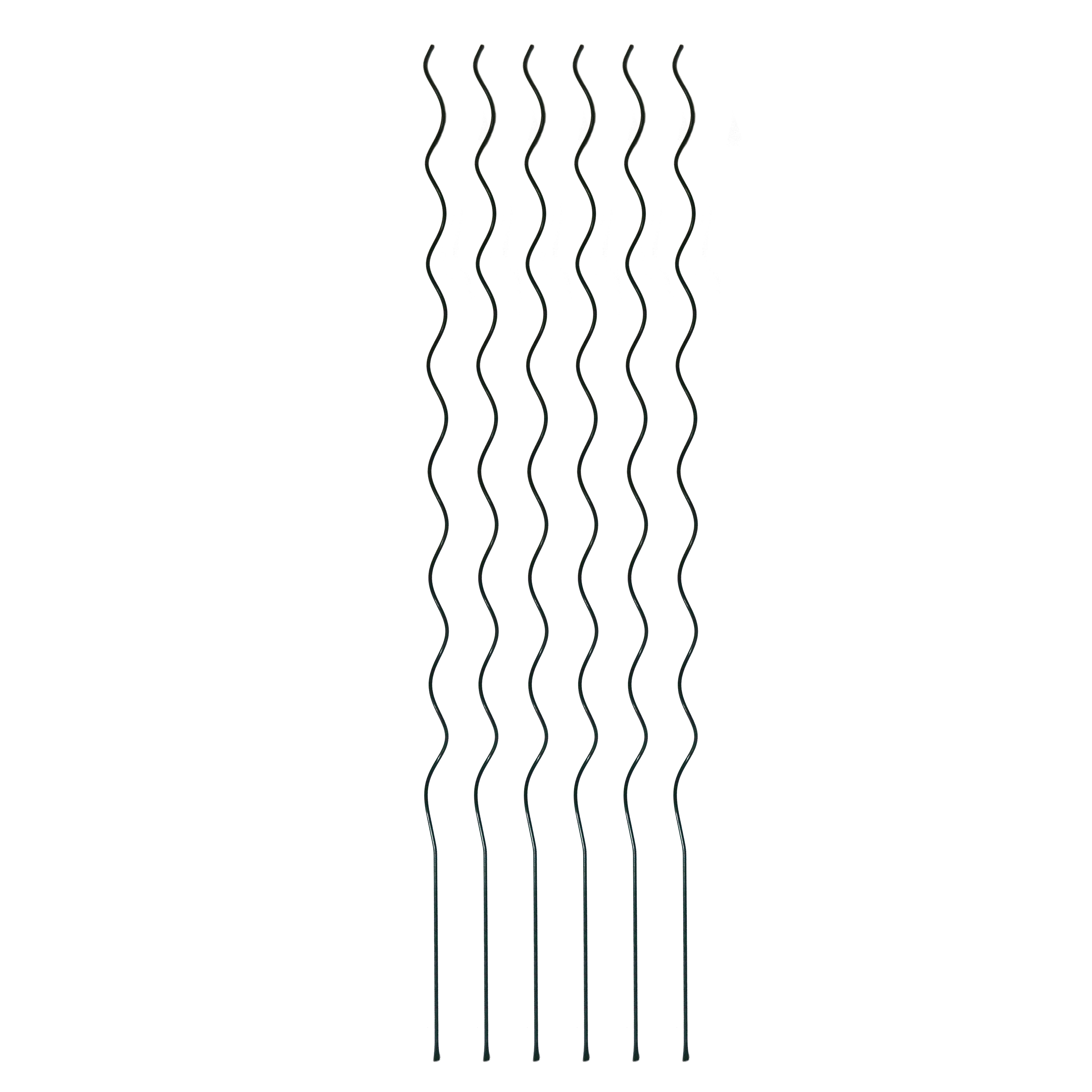
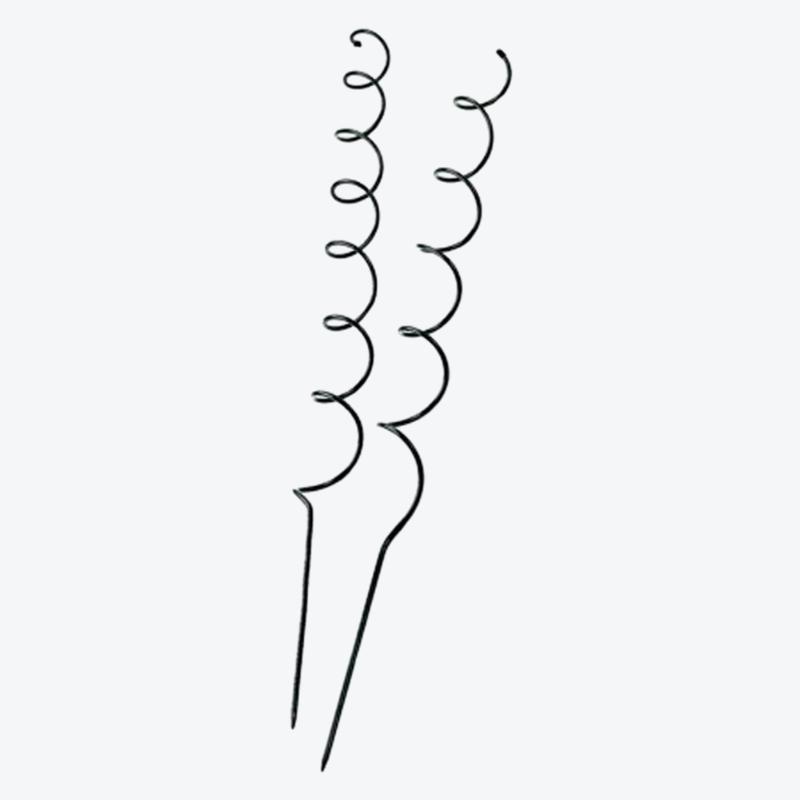
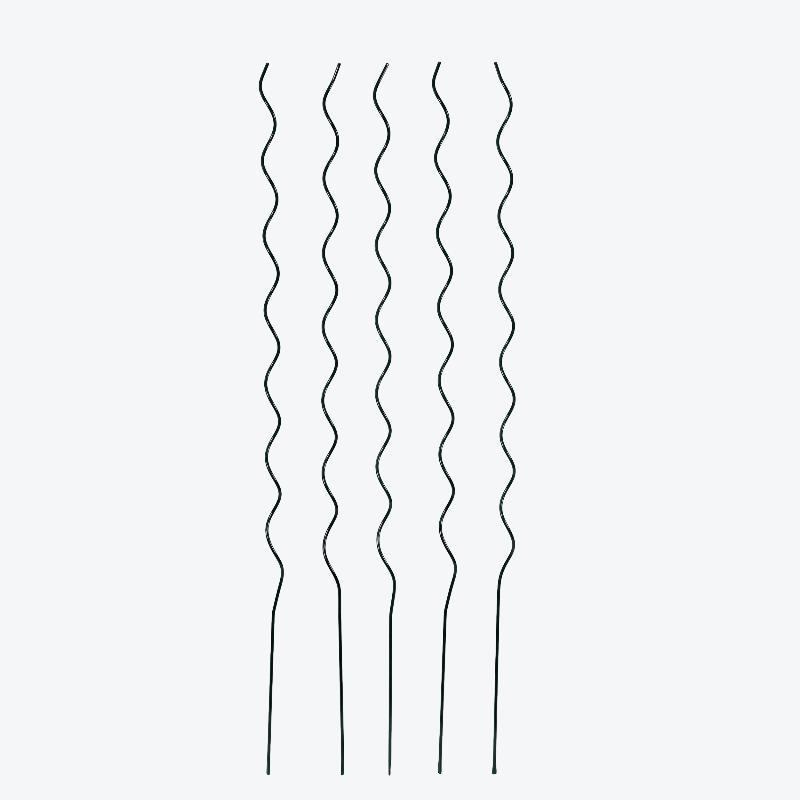
First, it's important to choose the right spiral tomato stakes for your garden. Typically made of sturdy materials like galvanized steel or durable plastic, these stakes come in various heights. Select stakes that are tall enough to accommodate the growth of your tomato plants throughout the season.
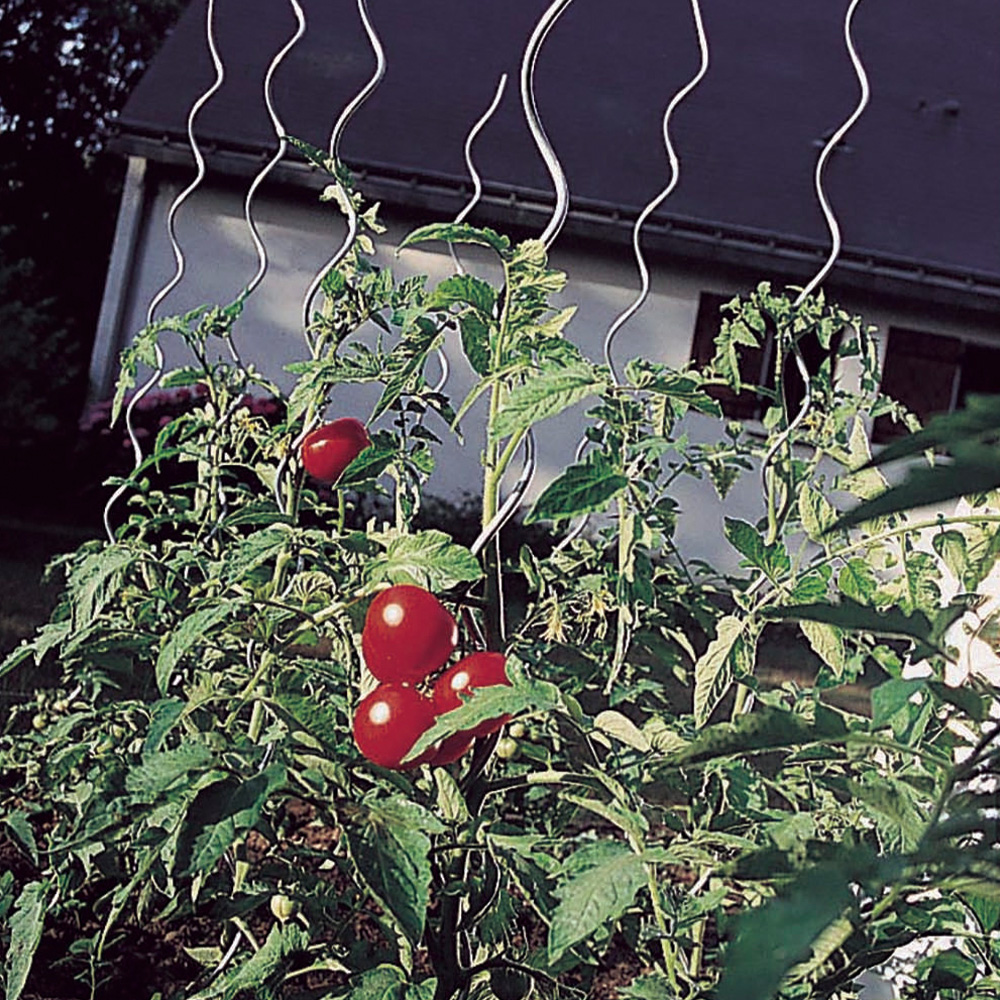
Next, when planting your tomatoes, insert the spiral tomato stakes into the soil before the plants reach a significant height. Position the stake about 4-6 inches away from the base of your tomato plant, angling it slightly for better stability.
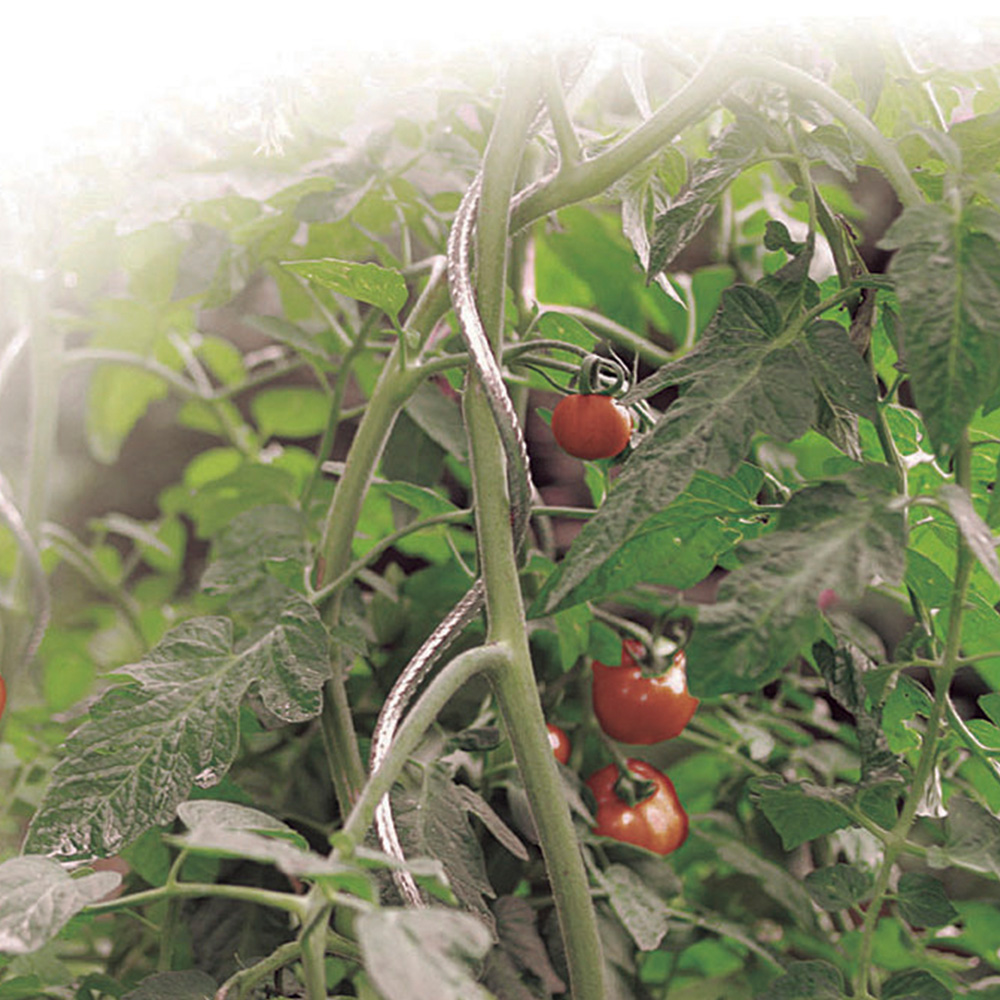
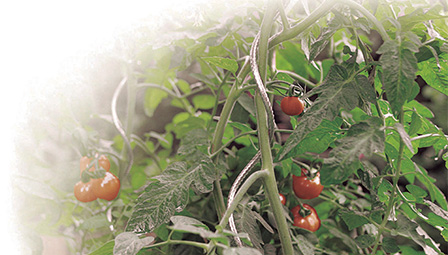
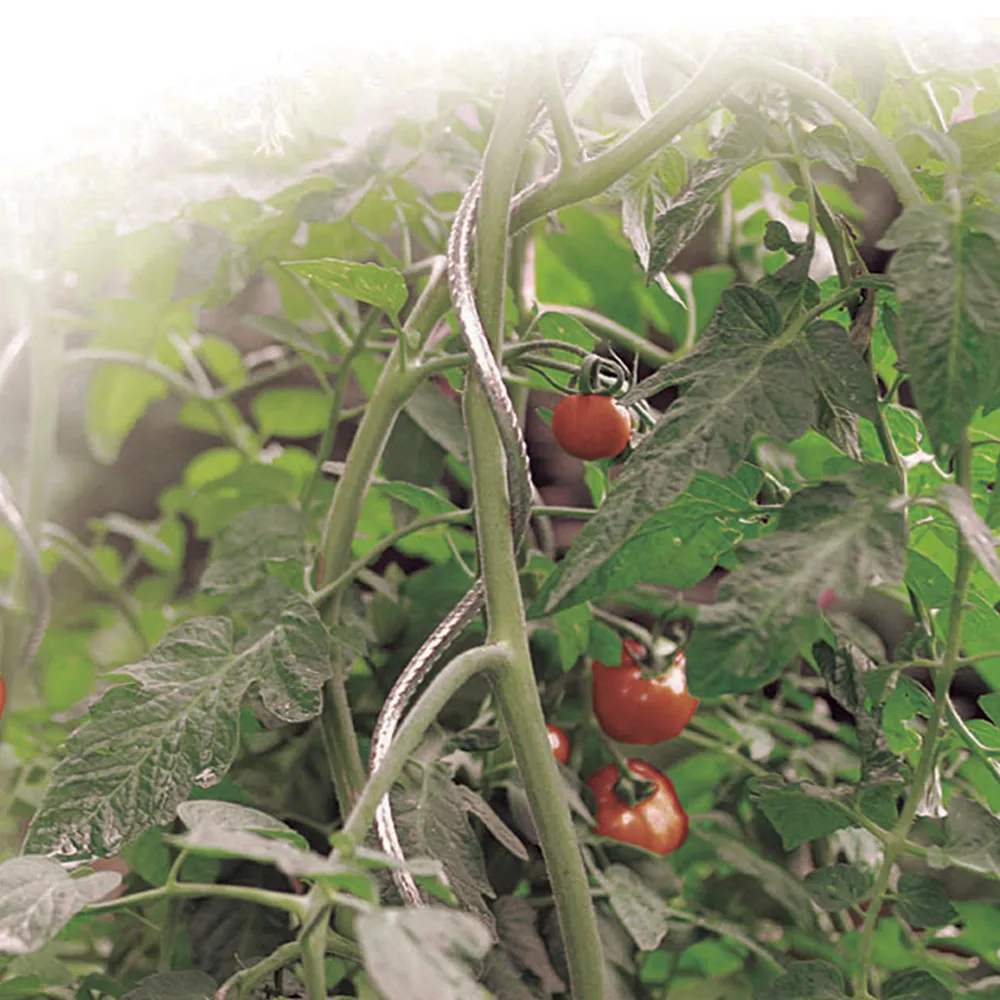
As your tomato plants grow, gently wrap the stem around the spiral staking design, allowing the plant to ascend the stake naturally. Regular maintenance is key; as your tomatoes continue to grow, check the support and adjust the wrapping as needed.
Spiral garden stakes provide excellent support for a variety of plants, from delicate seedlings to robust climbing vines. Their design allows them to be easily inserted into the soil, effectively anchoring plants as they grow. This is particularly beneficial for plants that require additional support to reach their full potential. For instance, tomatoes, peas, and cucumbers thrive when staked correctly.
Furthermore, spiral garden stakes are incredibly versatile; they can be used for annuals as well as perennials and even in container gardens. Their lightweight yet durable construction makes them easy to reposition, allowing gardeners to adapt their staking strategy as plants mature.
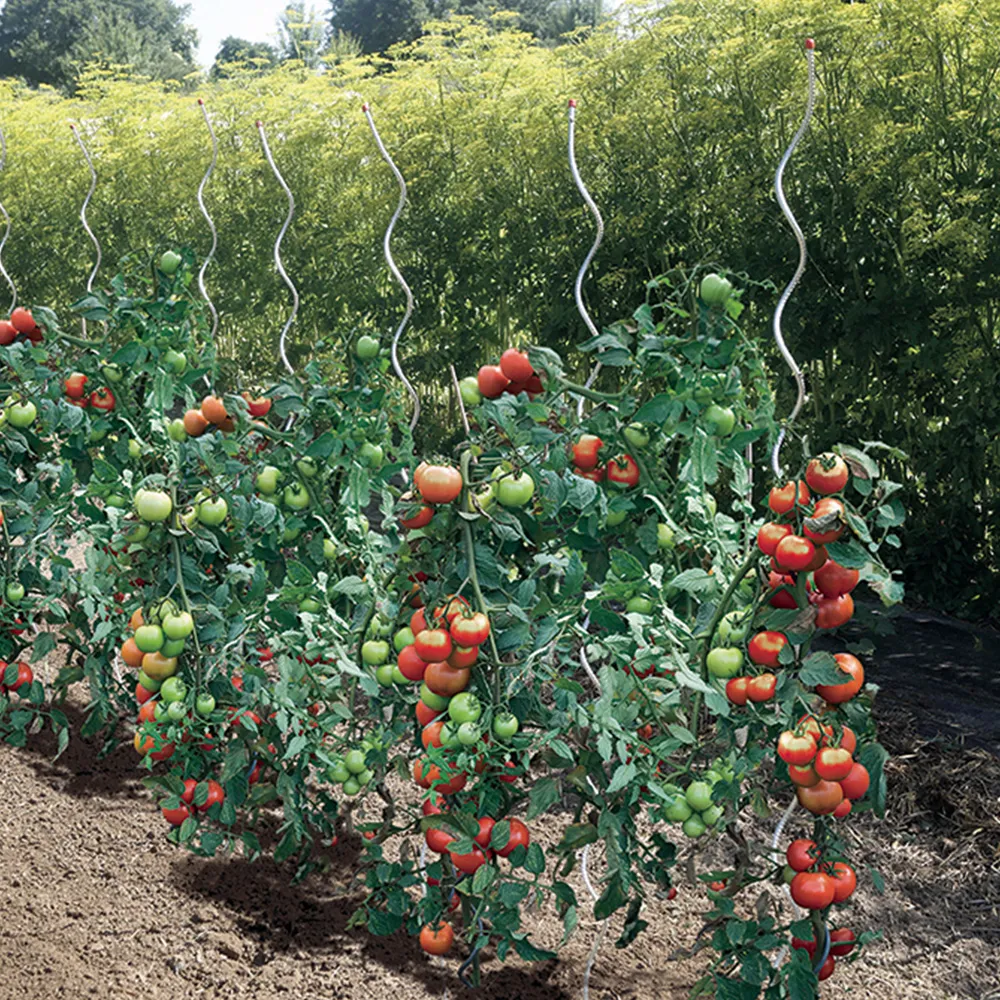
Spiral tomato stakes are a practical and efficient solution for supporting tomato plants. These stakes feature a helical design that allows tomato vines to wrap naturally around the structure as they grow. This design minimizes the need for manual tying, reduces stem damage, and improves airflow around the plant—key factors in preventing fungal diseases and promoting healthier yields.
Structural Support: The spiral shape provides 360-degree support, accommodating vertical growth while preventing overcrowding. This is especially beneficial during heavy fruiting seasons.
Durability: High-quality stakes are engineered to withstand outdoor conditions, including rust and corrosion, ensuring longevity across multiple growing seasons.
 Sarah
Sarah
 Tom
Tom
 Emily
Emily