1 / 5

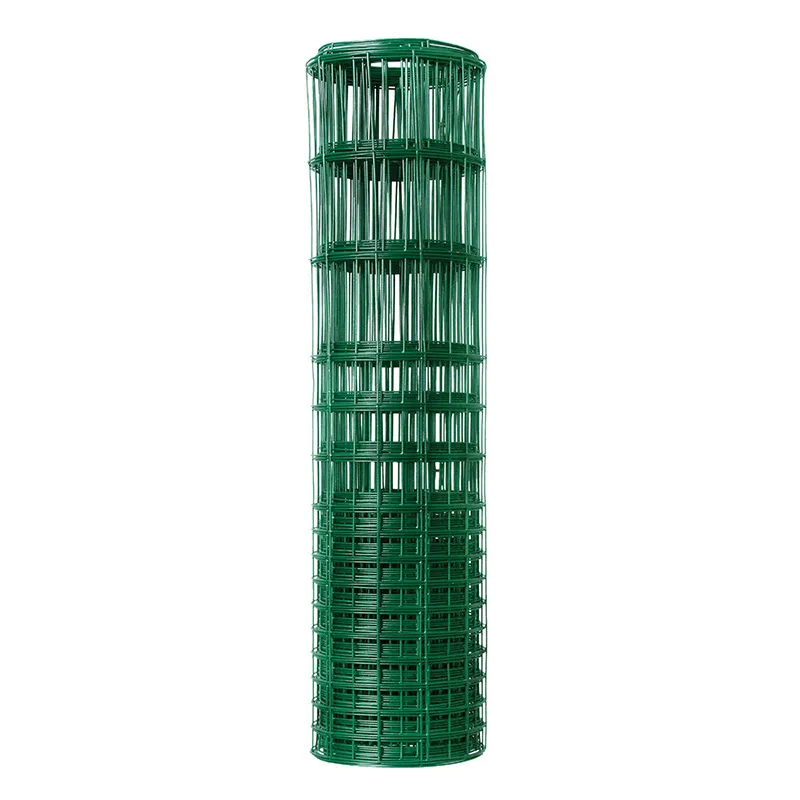
| MODEL No. | DESCRIPTION | PACKING |
|---|---|---|
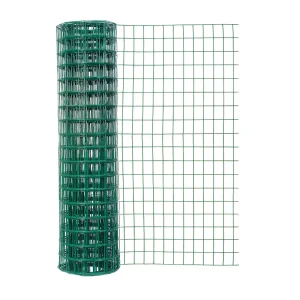
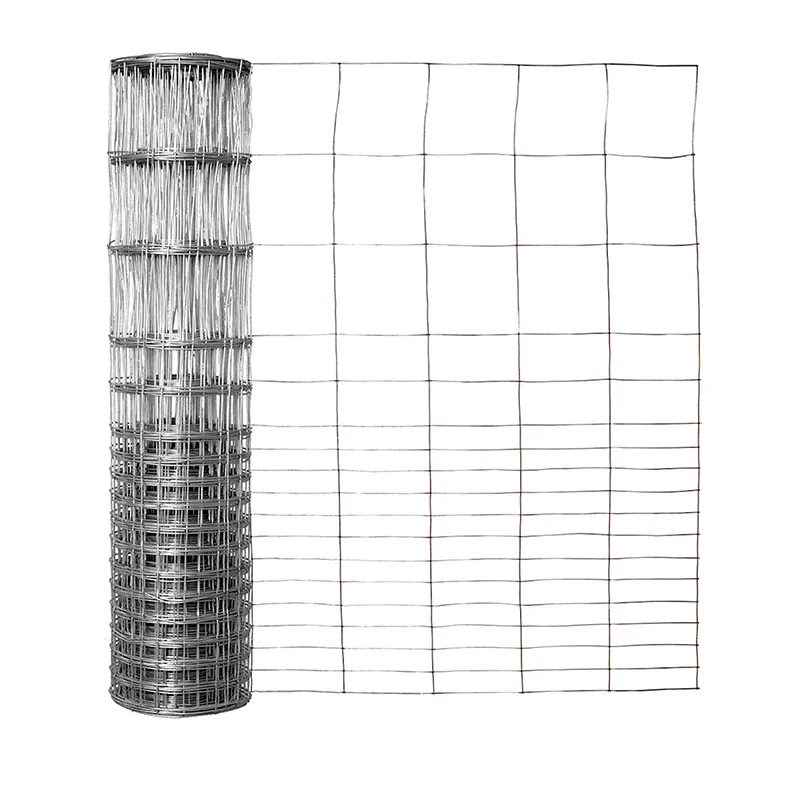
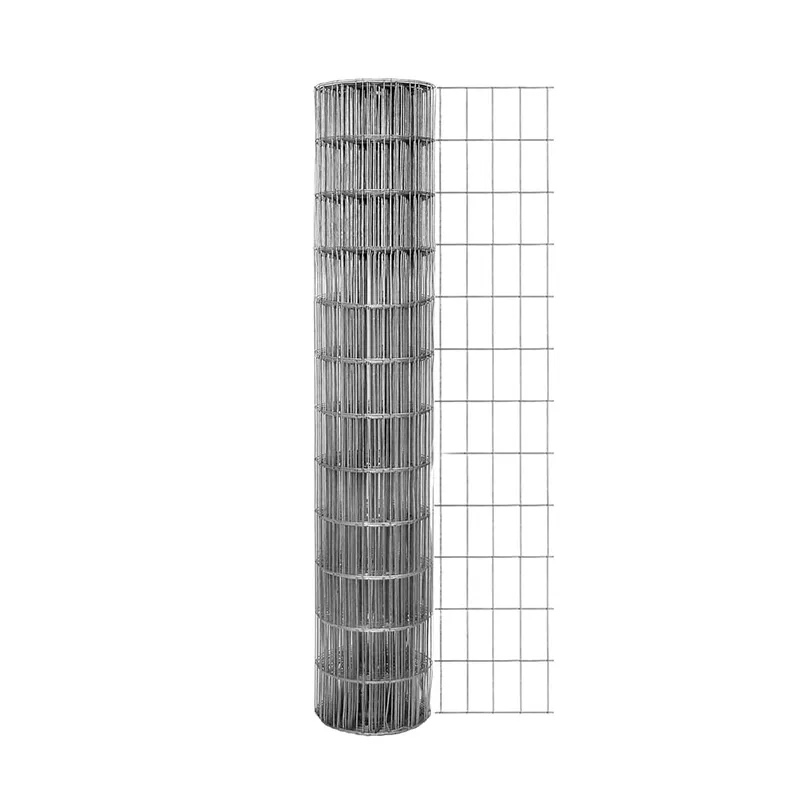
| UF20504214 | GALV.WELDED UTILITY FENCE,14GA,4"×2",2'×50' | IN ROLL |
| UF30504214 | GALV.WELDED UTILITY FENCE,14GA,4"×2",3'×50' | IN ROLL |
| UF40504214 | GALV.WELDED UTILITY FENCE,14GA,4"×2",4'×50' | IN ROLL |
| UF50504214 | GALV.WELDED UTILITY FENCE,14GA,4"×2",5'×50' | IN ROLL |
| UF60504214 | GALV.WELDED UTILITY FENCE,14GA,4"×2",6'×50' | IN ROLL |
| UF21004214 | GALV.WELDED UTILITY FENCE, 14GA,4"×2",2'×100' | IN ROLL |
| UF31004214 | GALV.WELDED UTILITY FENCE,14GA,4"×2",3'×100' | IN ROLL |
| UF41004214 | GALV.WELDED UTILITY FENCE,14GA,4"×2",4'×100' | IN ROLL |
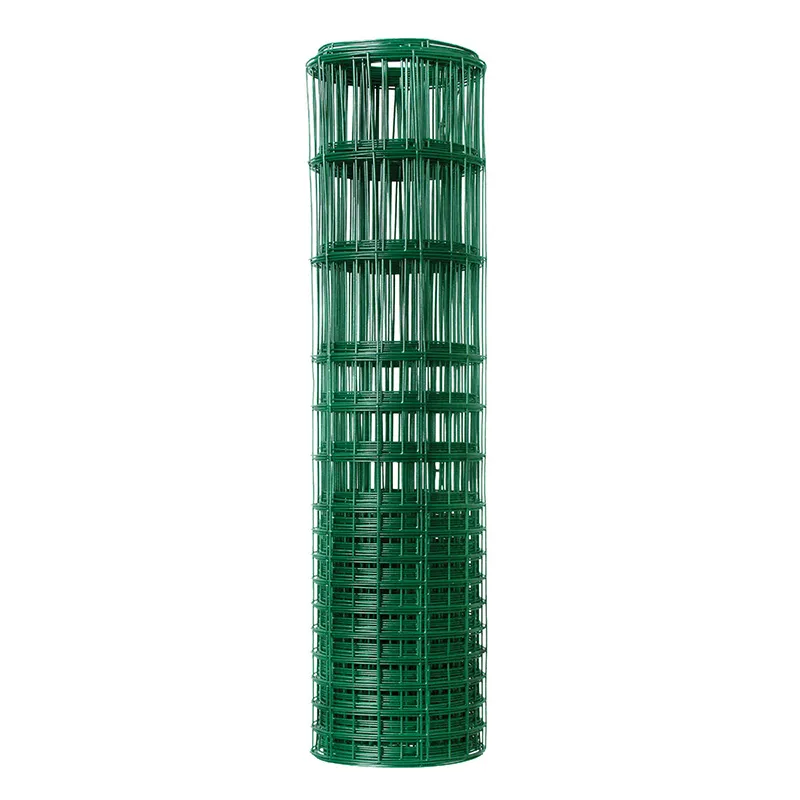
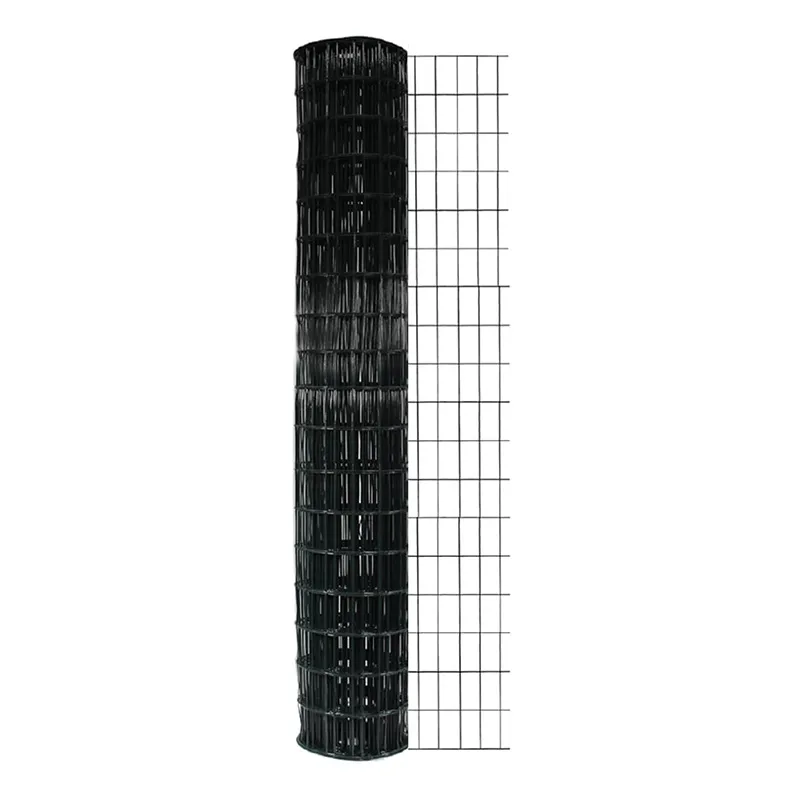
| PUF20504214 | POLY-COATED WELDED UTILITY FENCE,14GA,4"×2",2'×50' | IN ROLL |
| PUF41004214 | POLY-COATED WELDED UTILITY FENCE,14GA,4"×2",4'×100' | IN ROLL |
| MODEL No. | DESCRIPTION | PACKING |
|---|---|---|
| RBF2450 | GALVANIZED RABBIT FENCE,24"x50' | IN ROLL |
| RBF2850 | GALVANIZED RABBIT FENCE,28"x50' | IN ROLL |
| RBF4050 | GALVANIZED RABBIT FENCE,40"x50' | IN ROLL |
| DF1230 | GALVANIZEN DOG FENCE 1200MMx30M | IN ROLL |
| DF1830 | GALVANIZEN DOG FENCE 1800MMx30M | IN ROLL |
| MODEL No. | DESCRIPTION | PACKING |
|---|---|---|
| EF20502316 | GALV.ECONOMY WELDED FENCE,16GA.,3"x2",2'x50' | IN ROLL |
| EF30302316 | GALV.ECONOMY WELDED FENCE,16GA.,3"×2",3'x50' | IN ROLL |
| YG30503216 | POLY-COATED YARD GARD,16GA.,2"×3",3'x50' | IN ROLL |
| LF40503216 | POLY-COATED LAWN FENCE,16GA.,3"×2",4'x50' | IN ROLL |
| LF60503216 | POLY-COATED LAWN FENCE,16GA.,3"×2",6'×50' | IN ROLL |
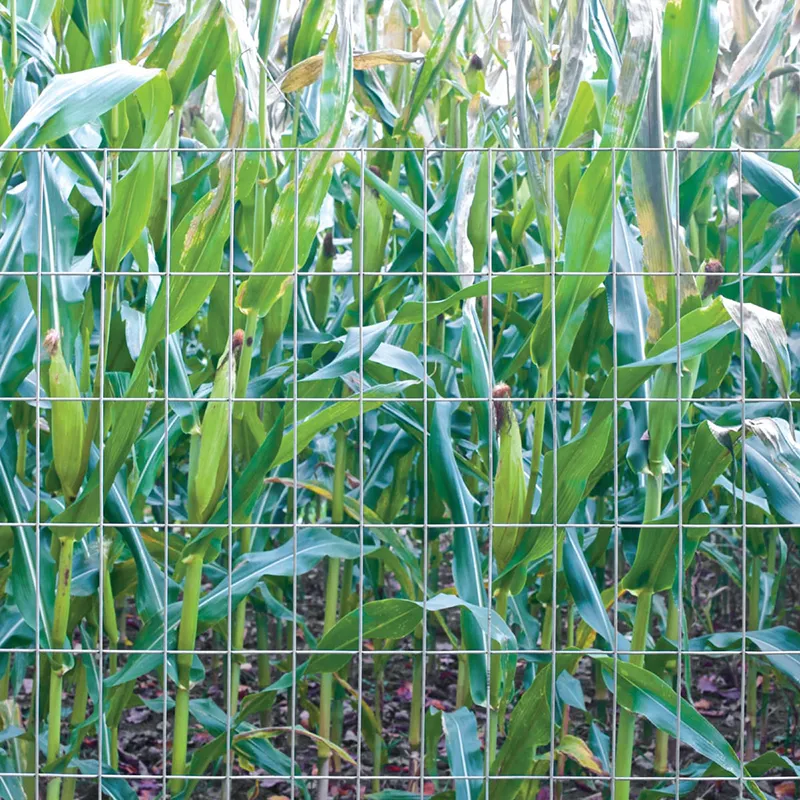
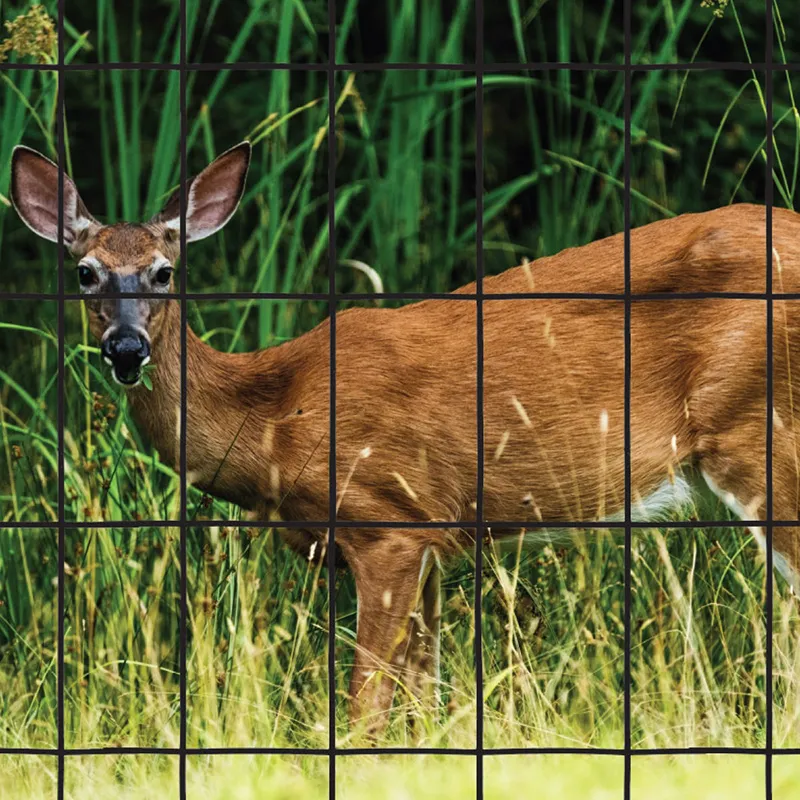
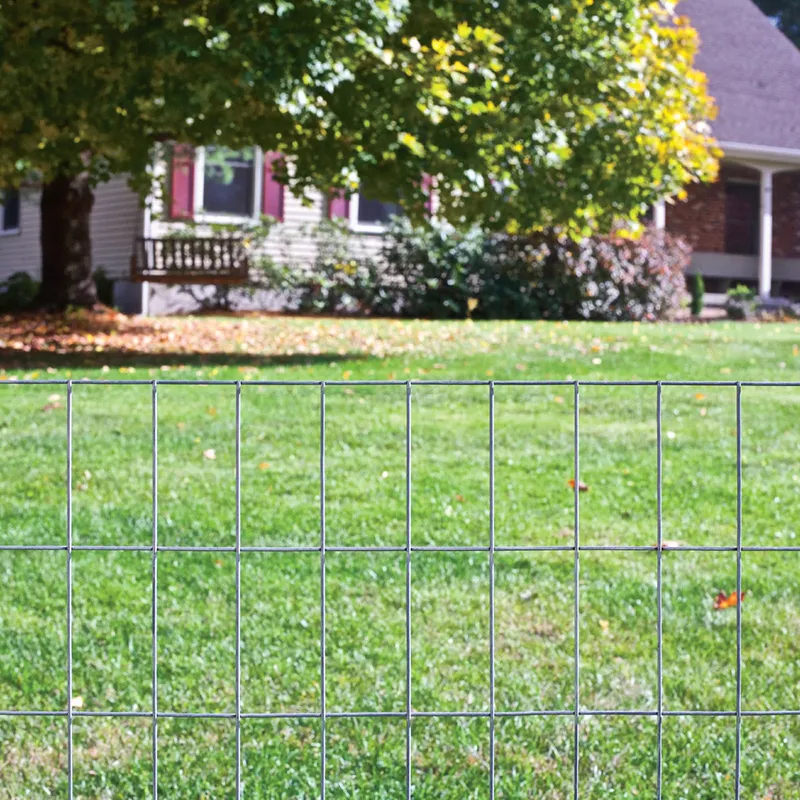
Welded wire fencing is a versatile and durable option that suits a wide range of applications, from residential gardens to industrial security. It is made by welding horizontal and vertical wires together at each intersection, forming a strong and rigid mesh panel. This type of fencing is favored for its stability, ease of installation, and long-term performance. Because welded wire fence panels are manufactured with consistent spacing and thickness, they offer a clean, uniform appearance that blends well in both modern and traditional environments.
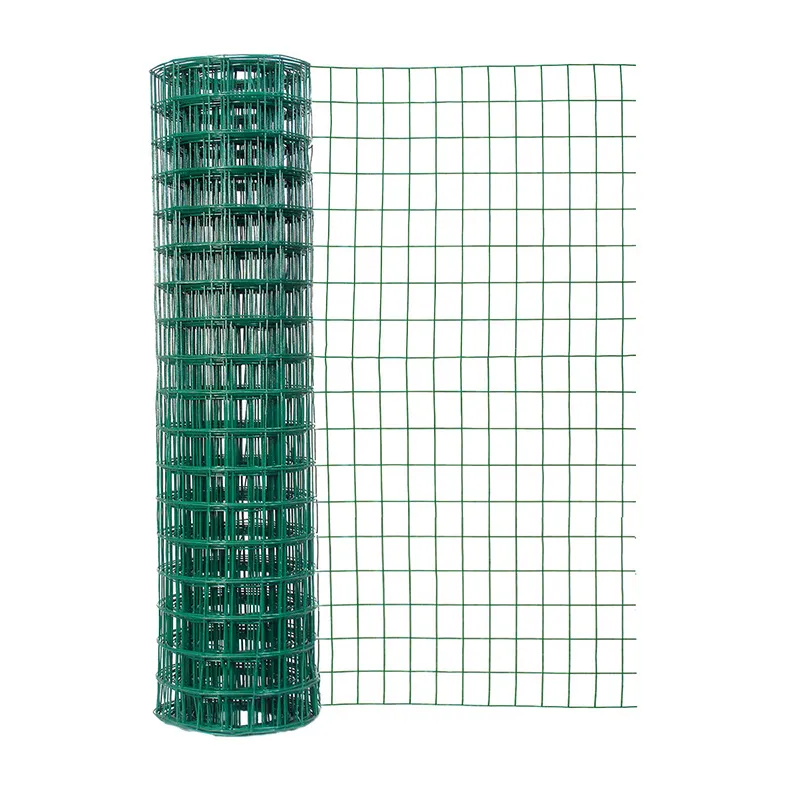
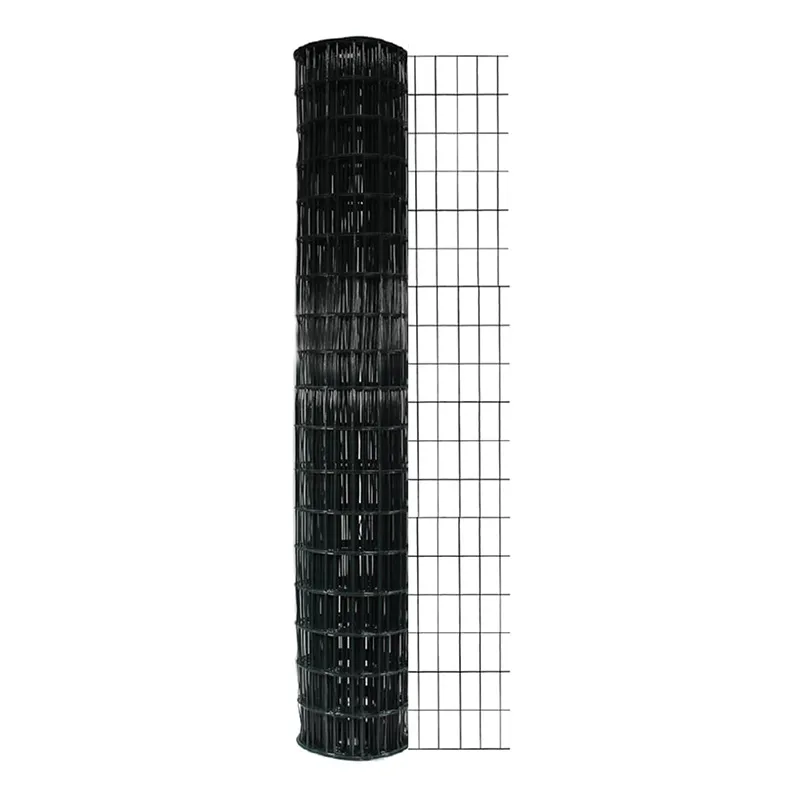
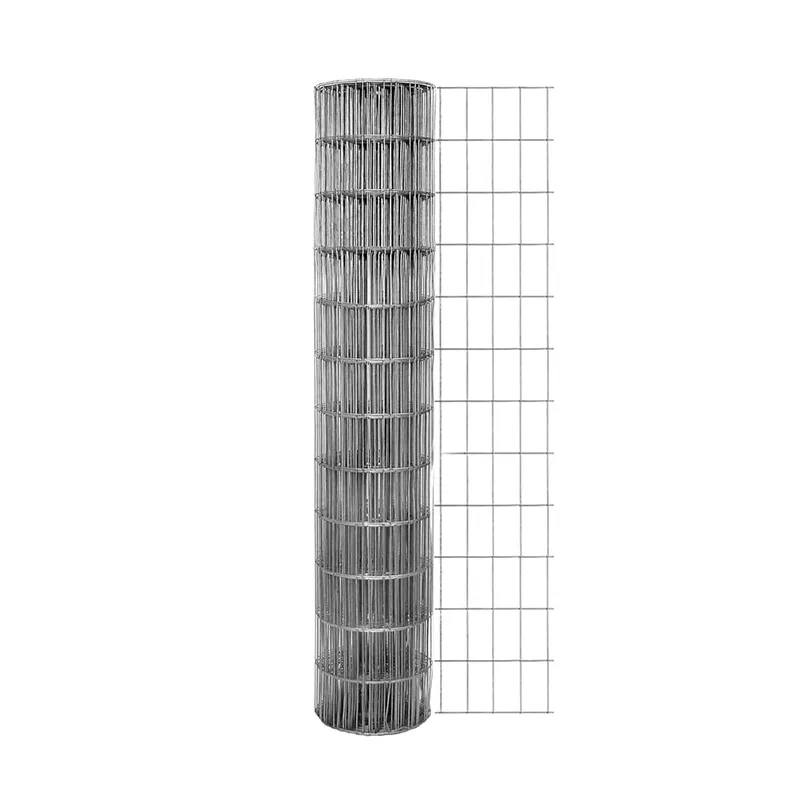
One common type is galvanized welded wire fencing, which is coated with zinc to protect against rust and corrosion. This makes it ideal for outdoor use, especially in areas with high humidity or near coastal regions. Galvanized wire fence panels are often used for farm enclosures, garden fencing, and animal pens because they require minimal maintenance. Another popular option is PVC-coated welded wire fencing, which adds an extra layer of protection and gives the fence a smoother finish. The PVC coating also enhances aesthetics, with colors like green or black that help it blend into landscapes.
For high-security needs, high-tensile welded wire fencing is the preferred choice. Made from thicker, high-strength wire, it offers enhanced resistance to bending and cutting. This makes it suitable for industrial sites and construction areas. Additionally, stainless steel welded wire fencing provides excellent corrosion resistance and a premium look, commonly used in hygiene-sensitive environments like food processing plants.
Choosing the right welded wire size involves balancing strength, opening size, and specific application needs. Understanding how different sizes and gauges work together will help ensure your project is both secure and cost-effective.
First, consider the mesh opening size. Smaller openings like 1/2 inch, 1 inch, or 25 x 25 mm are ideal for security fencing and animal enclosures where minimal gaps are required. Medium rectangular options like 100 x 50 mm offer visibility and strength, while larger formats like 100 x 100 mm are typically used for construction reinforcement.
Next, focus on the wire gauge. Lower gauge numbers indicate thicker wires. For example, 6, 8, or 10 gauge welded wire mesh is heavy-duty and suitable for industrial fencing. Mid-range options like 14 gauge and 16 gauge are more flexible and common for residential yards and cages.