Modern mega-structures rely extensively on Welded Wire Reinforcement (WWR) rather than traditional loose rebar tied manually on site. Cold-drawn steel wires configured in high-density grids increase the shear, flexural, and tensile properties of structural slabs. Advanced manufacturing lines in China utilize computerized resistance welding setups, achieving near-perfect weld shear strength exceeding 250 MPa, thus eliminating structural slipping risks.
Understanding yield strength requirements (f_y ≥ 485 MPa) under standard codes such as ASTM A1064 and BS 4483 is paramount for procurement engineers. By strictly controlling the carbon equivalent (Ceq) values during steel rod selection, top Chinese wire mesh factories ensure optimal weldability, allowing high load bearing capacities while mitigating cracking caused by thermal shrinkage variations.
With smart cities and automation taking the lead, precast concrete structures demand ultra-precise wire layouts. Epoxy coatings, hot-dip galvanization, and newly engineered stainless-steel alloys represent the next-generation materials designed to resist chemical erosion in coastal and wastewater facilities. Advanced CNC drawing and welding setups assure accurate spacing tolerances (+/- 5mm).
| Performance Matrix | Welded Wire Reinforcement (WWR) | Traditional Hand-Tied Rebar | Engineering Benefit |
|---|---|---|---|
| Tensile Yield Strength | 485 - 585 MPa (Cold-Drawn) | 300 - 420 MPa (Hot-Rolled) | Enables 15-20% thinner concrete sections. |
| Installation Labor Demand | Minimal (Pre-fabricated panels) | High (Manual layout and wire tying) | Reduces project schedules by up to 50%. |
| Mesh Grid Spacing Precision | Strict machine tolerance (± 2mm) | Subject to human error (± 15mm) | Ensures uniform load distribution and code compliance. |
| Crack Containment Efficiency | Superior (High distribution density) | Moderate (Larger bar intervals) | Significantly reduces micro-cracking propagation. |
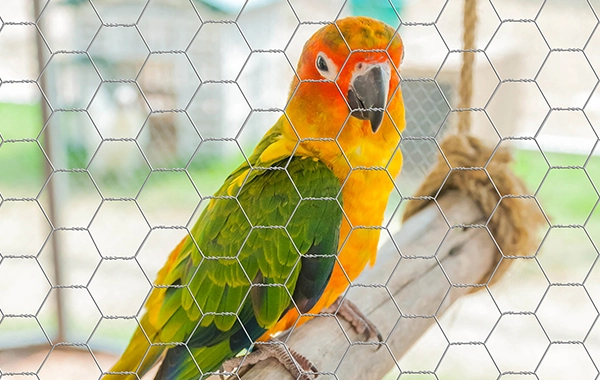
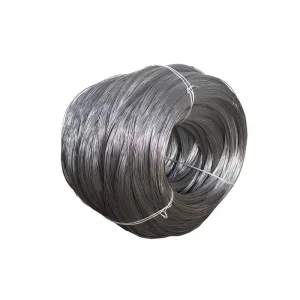
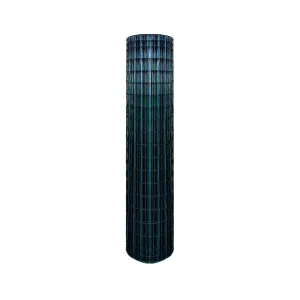
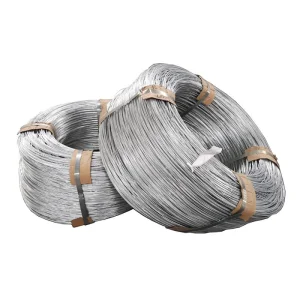
Discover versatile wire mesh solutions in both metal and plastic materials, ideal for various home and garden applications. From decorative accents to functional uses, our wire mesh wholesale products offer durability and functionality.
View Detail
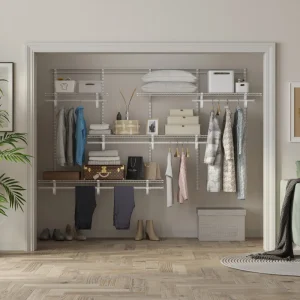
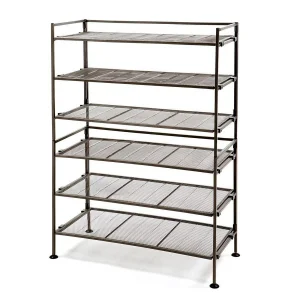
Simplify your living spaces with our metal home organization solutions, featuring easy-to-assemble furniture and storage options. From minimalist designs to efficient creative storage solutions, our home storage and organization products help you create a clutter-free environment.
View Detail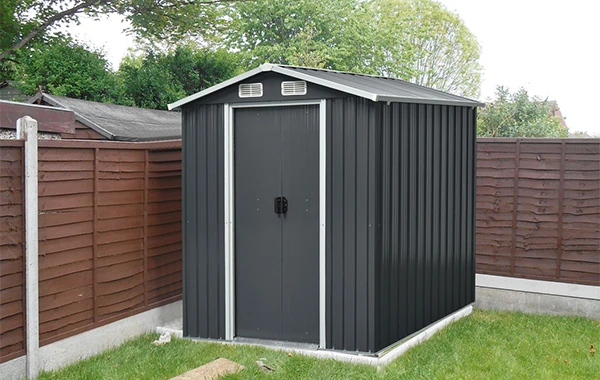
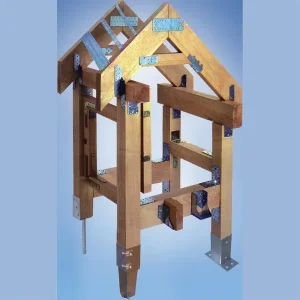
The metal shed can be used for many purposes. Large capacity is perfect for outdoors such as backyards, gardens, patios, and lawns to store gardening and landscaping supplies. Can also function as a pet shelter or general clean room.
View Detail
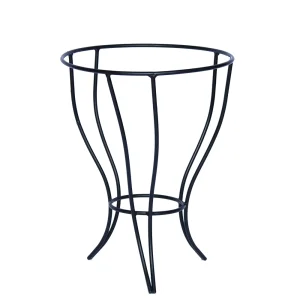
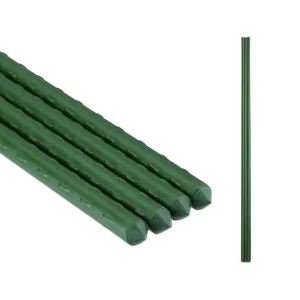
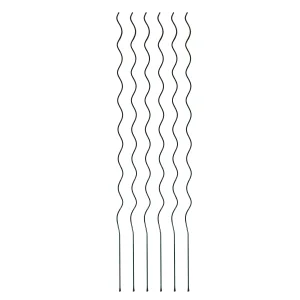
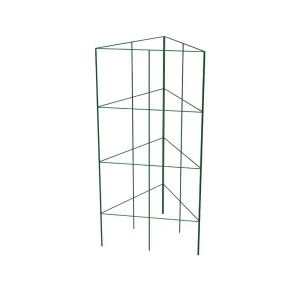
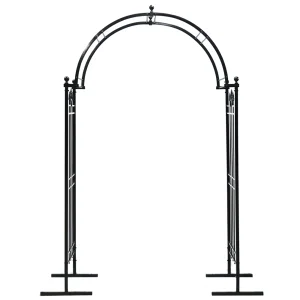
Elevate your garden with our range of metal gardening essentials, including planters, baskets, arches, and plant support accessories. Crafted for durability and style, our lawn & garden supplies are perfect for enhancing your outdoor oasis.
View Detail
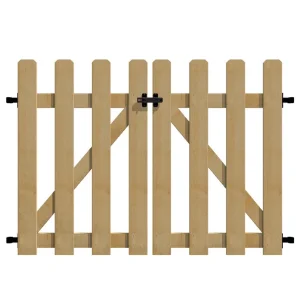
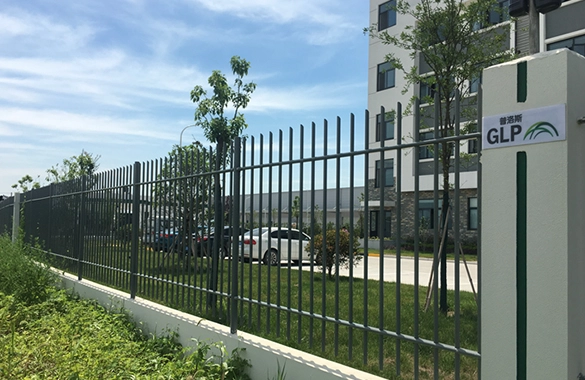
Enhance your landscape with our diverse range of wholesale fence panels options, available in materials like iron, aluminum, plastic, and wood. Whether for garden borders or yard enclosures, our panel fences combine durability with aesthetic appeal.
View Detail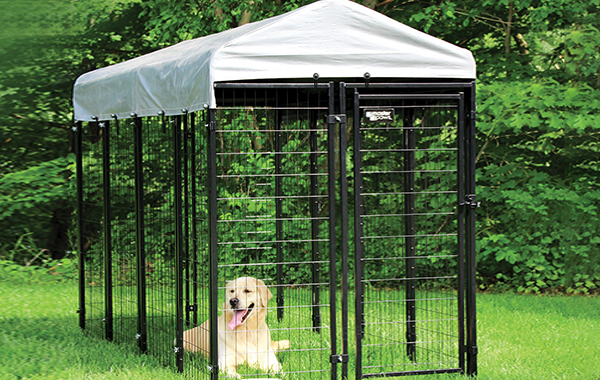
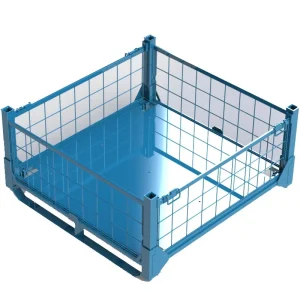
Ensure the comfort and safety of your pets with our range of metal pet enclosures, suitable for indoor and outdoor use. Designed for various pet sizes and needs, our pet cages provide a secure and comfortable environment for your furry friends.
View Detail

Headquartered in Shijiazhuang, the capital of Hebei Province in North China, Hebei Minmetals Co., Ltd. is a distinguished joint-stock group enterprise specializing in import and export business. With over 2000 dedicated employees and a substantial registered capital of 60 million RMB, we have established ourselves as a prominent player in the global metals and wire mesh industry.
At Minmetals, we take pride in offering a diverse range of premium quality products including wholesale wire mesh, panel fences, home organization solutions, and pet enclosures. Our commitment to excellence, strict laboratory testing protocols, and complete customer satisfaction sets us apart as an industry benchmark.
Learn More About Us
In global structural engineering, concrete is the undisputed backbone of infrastructure. However, concrete exhibits strong compressive capabilities but relatively weak tensile capabilities. To counter these tensile deficiencies, design engineers specify structural reinforcement. Over the last three decades, Welded Wire Reinforcement (WWR), manufactured by leading Chinese factories, has emerged as the preferred engineering standard globally, outperforming manual loose rebar layouts in cost-efficiency, accuracy, and structural performance.
International procurement departments from North America, Europe, and Australia must balance structural load integrity with rising labor costs. When sourcing wire mesh in concrete, regional specifications are absolute law. Slabs-on-ground, suspended floor systems, precast concrete segments, and retaining walls rely on structural mesh to control temperature-induced contraction cracking.
Using imported high-yield wire grids allows engineers to reduce the steel cross-sectional area without reducing the yield point of the slab structure. According to standard ACI (American Concrete Institute) guidelines, cold-working structural steel wire increases its mechanical yield threshold, meaning less steel mass is required to achieve the identical safety load factor of traditional hot-rolled rebar. This reduction in steel volume cuts bulk shipping weights and ocean freight costs per TEU.
The manufacturing process inside top China wire mesh factories is highly automated. Advanced lines begin with structural-grade low carbon steel wire rods (SAE 1008 or SAE 1010). These raw rods undergo continuous mechanical cold-drawing processes to achieve the targeted wire diameters while simultaneously increasing their yield point to the required BS 4483 or ASTM A1064 thresholds.
Modern building sites focus on shortening project timelines. Prefabricated precast concrete slabs are built offsite under controlled factory settings. The high dimensional consistency of Chinese machine-welded wire sheets fits easily into modular formworks, facilitating rapid cycles of concrete casting, curing, and shipping. Furthermore, using precast elements drastically reduces onsite construction waste, aiding project managers in meeting LEED and green building certifications.
For large procurement portfolios, reliability is as critical as mechanical strength. A supplier's annual export capacity, shipping reach, and quality certs are the foundational components of E-E-A-T. Large export operations, such as Hebei Minmetals Co., Ltd., which handles over 25,000 TEUs per year, offer the scale needed to ensure prompt deliveries for multi-million dollar public projects.
Our quality control measures are integrated directly into the factory floor. Every wire batch is documented with mill test certificates tracing chemical composition, carbon equivalents, elongation ratios, and shear limits. This documentation ensures complete compliance with destination country building codes, including CE marks for Europe, Standards Australia certifications for Oceania, and ASTM protocols for North America.
Q1: How does welded wire mesh in concrete compare to traditional rebar?
Welded Wire Reinforcement (WWR) consists of cold-drawn wires welded in grid patterns, offering much higher yield strength (up to 585 MPa) compared to standard hot-rolled rebar (typically 300-420 MPa). This structural advantage allows for reduced steel weight and cross-sections while maintaining safety limits. WWR is delivered in pre-fabricated sheets, dramatically cutting down onsite assembly labor hours.
Q2: What are the typical spacing standards for concrete wire mesh sheets?
Standard structural mesh spacings are typically 100mm, 150mm, or 200mm square grids. Common line/cross wire gauge configurations span from 4mm up to 12mm diameters depending on structural slab load requirements. Heavy-duty projects utilize custom mesh sizes to match the precise shear-stress points calculated by structural engineers.
Q3: How do Chinese manufacturers guarantee corrosion protection for concrete mesh?
Top manufacturers use hot-dip galvanization processes, applying heavy zinc coatings (up to 400g/m²) to protect the steel substrate against rust. For highly corrosive environments like coastal regions, marine structures, or chemical plants, epoxy coatings or stainless steel wire grids are used to ensure long-term durability.
Q4: What compliance and certification documents are required for global customs and project approval?
Global imports typically require ISO 9001 quality system certifications, Mill Test Certificates (MTC) showing mechanical & chemical composition, CE certifications for EU markets, ASTM A1064 testing standards compliance for USA/Canada, and AS/NZS 4671 structural steel codes for the Australian and New Zealand markets.
Q5: Why is weld shear strength crucial in structural concrete applications?
Under load, concrete slabs experience high shear forces. The welded intersections of the mesh must resist pulling apart under tension. Standards mandate that the weld shear strength must be at least 50% of the wire's minimum yield strength to ensure the concrete and steel remain bonded under high stress.

Explore deeper insights and discover what sets us apart. Dive into our story, structural certifications, and custom fabrication capabilities. Our global engineers are standing by to assist with your next project.
Contact Us Now