In the global infrastructure and agricultural sectors, the T-Post remains a cornerstone component for fencing and structural stability. However, the manufacturing landscape in China has undergone a paradigm shift. Moving away from traditional, labor-intensive methods, top Chinese T-Post factories have transitioned into Industry 4.0 powerhouses.
What differentiates leading factories today is not just price, but the integration of Digital Twin technology and automated metallurgical processing. By leveraging the advanced supply chain clusters in Hebei Province, factories are now capable of maintaining strict quality tolerances (e.g., precise coating thickness via hot-dip galvanization) while significantly reducing lead times. For international procurement managers, this represents a transition from high-risk sourcing to reliable, data-driven partnership models.
Global enterprise buyers are currently prioritizing three key performance indicators (KPIs) when selecting a T-Post partner:
Our facility, rooted in these core competencies, provides not just a product, but a comprehensive supply chain solution designed to mitigate international logistics risks.
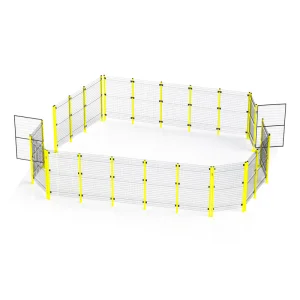
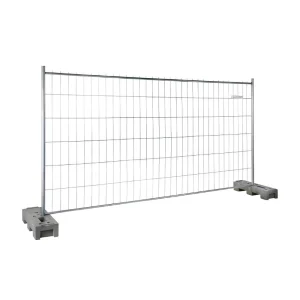
T-Posts are increasingly being utilized in sophisticated architectural and industrial designs. From rapid-deploy mobile fencing systems used in emergency humanitarian logistics to high-strength, earthquake-resistant boundary enclosures for large-scale logistics parks (such as the GLP projects we have successfully supported), the versatility of modern T-Post products is expanding.
When selecting a T-Post, ignoring the "Information Gain" inherent in the manufacturing process is a mistake. Buyers should look for details such as:
The competitiveness stems from a deeply integrated raw material supply chain (upstream steel production), advanced automated production lines, and economies of scale. Furthermore, top-tier factories have adopted ISO-certified quality control protocols that meet international ASTM and CE standards, bridging the trust gap for global buyers.
Industry 4.0 implies the use of IoT sensors in production, predictive maintenance of machinery, and AI-driven quality inspection (camera-based surface defect detection). This ensures that every batch of T-posts sent to clients is consistent in strength, coating, and geometry, reducing failure rates in final installation.
Yes. As a leading manufacturer, we provide customization regarding length, weight per foot, punch patterns, and specialized protective coatings (AkzoNobel powder coating, heavy-duty hot-dip galvanization) to meet specific project blueprints, such as those for power infrastructure or logistics facilities.