Carpentry and Framing
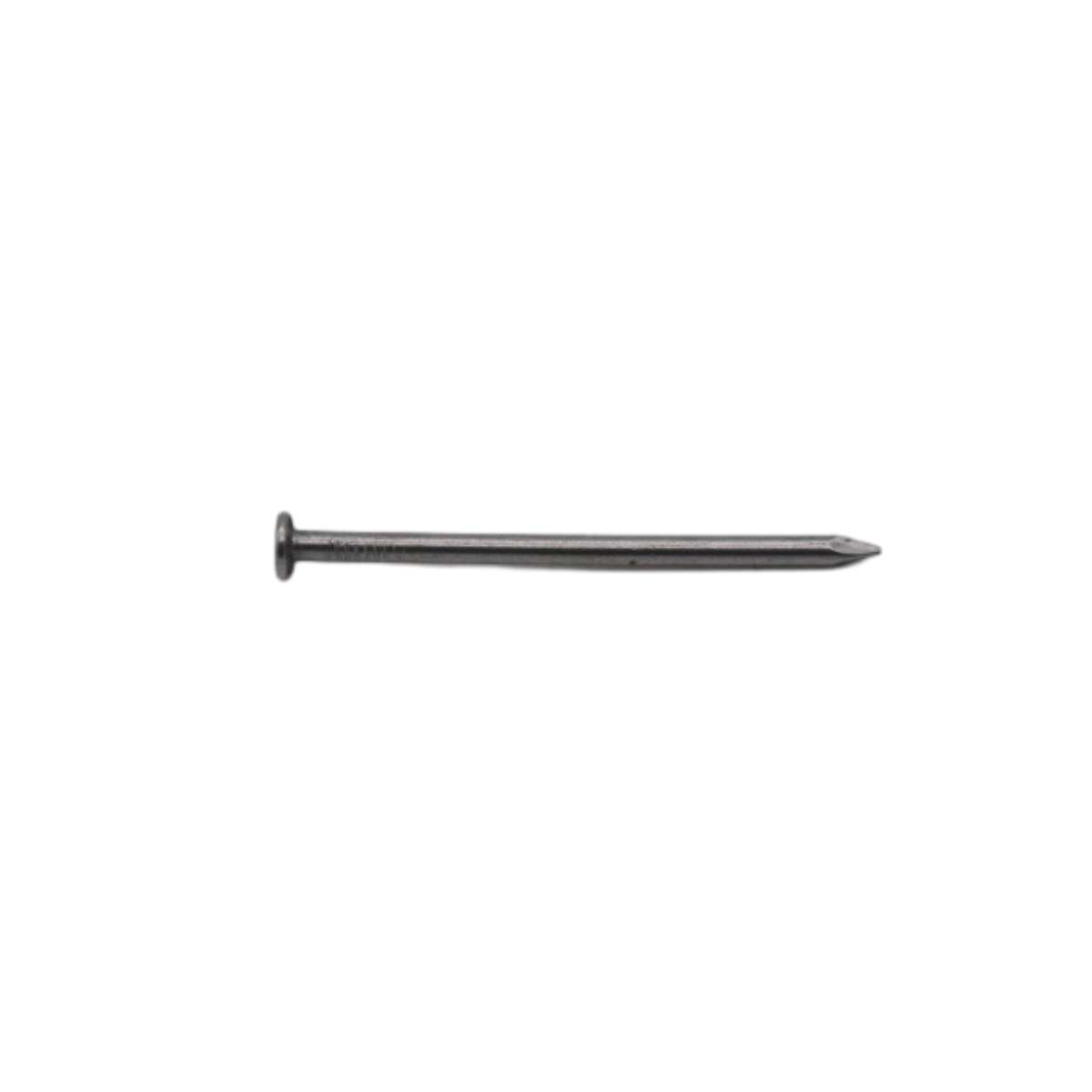
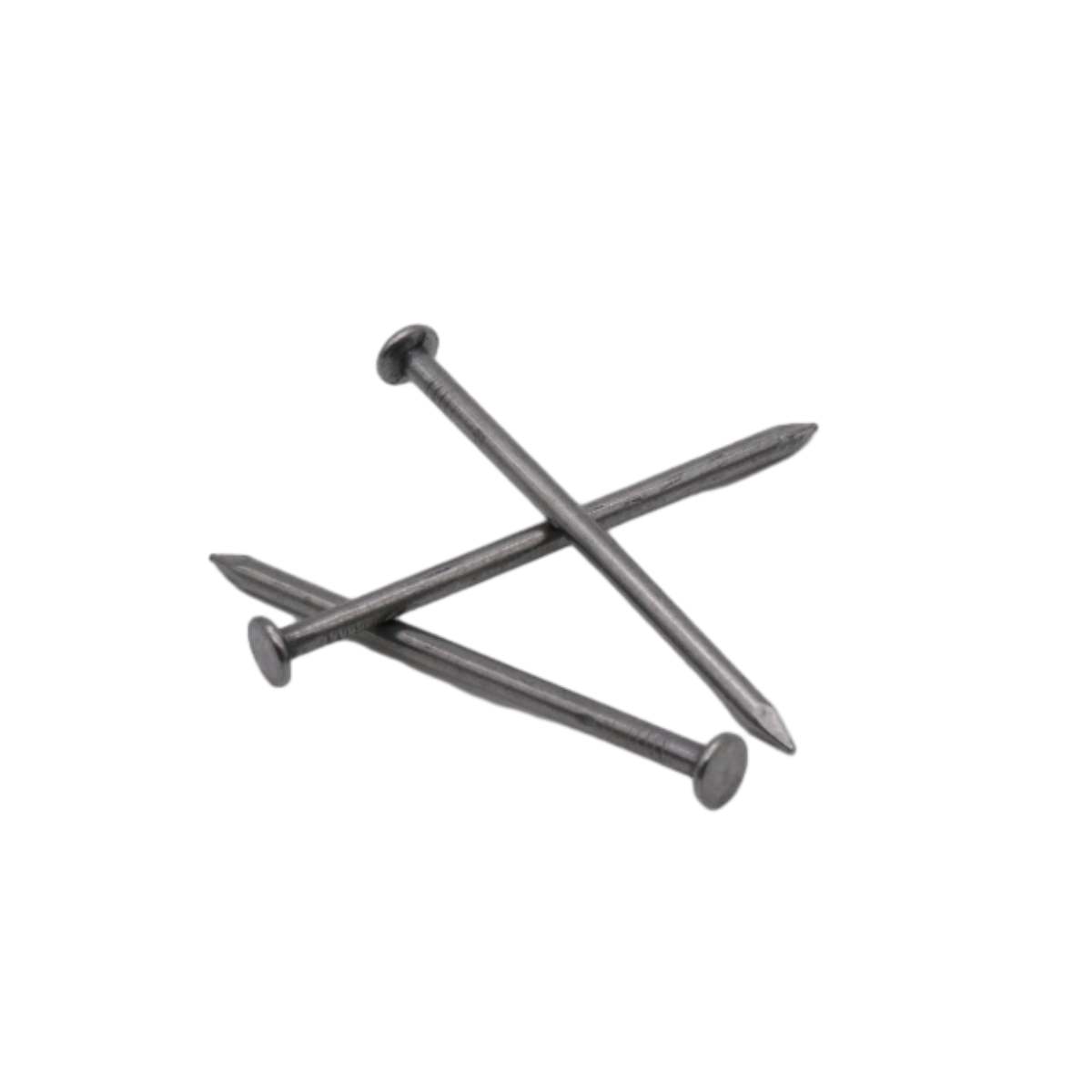
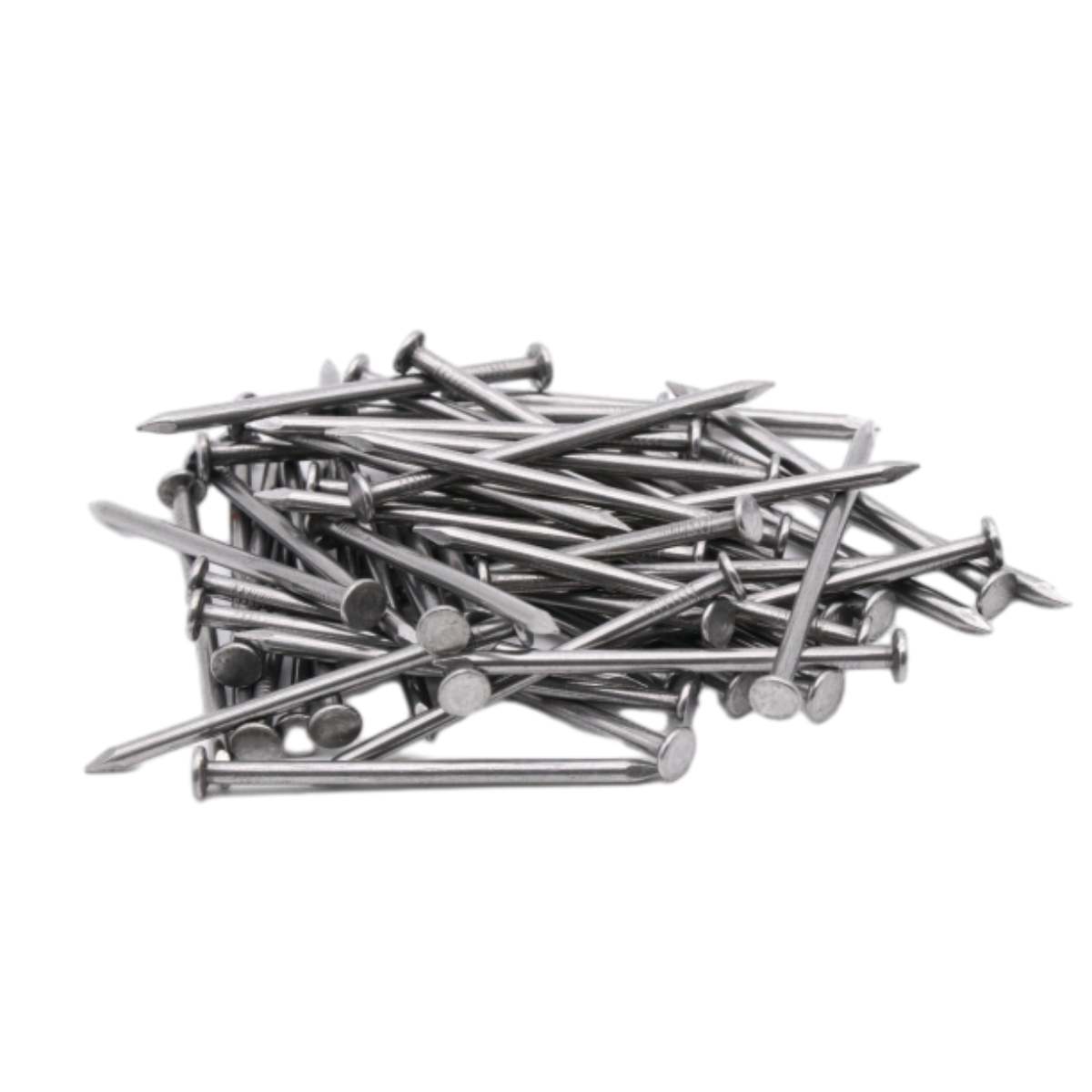
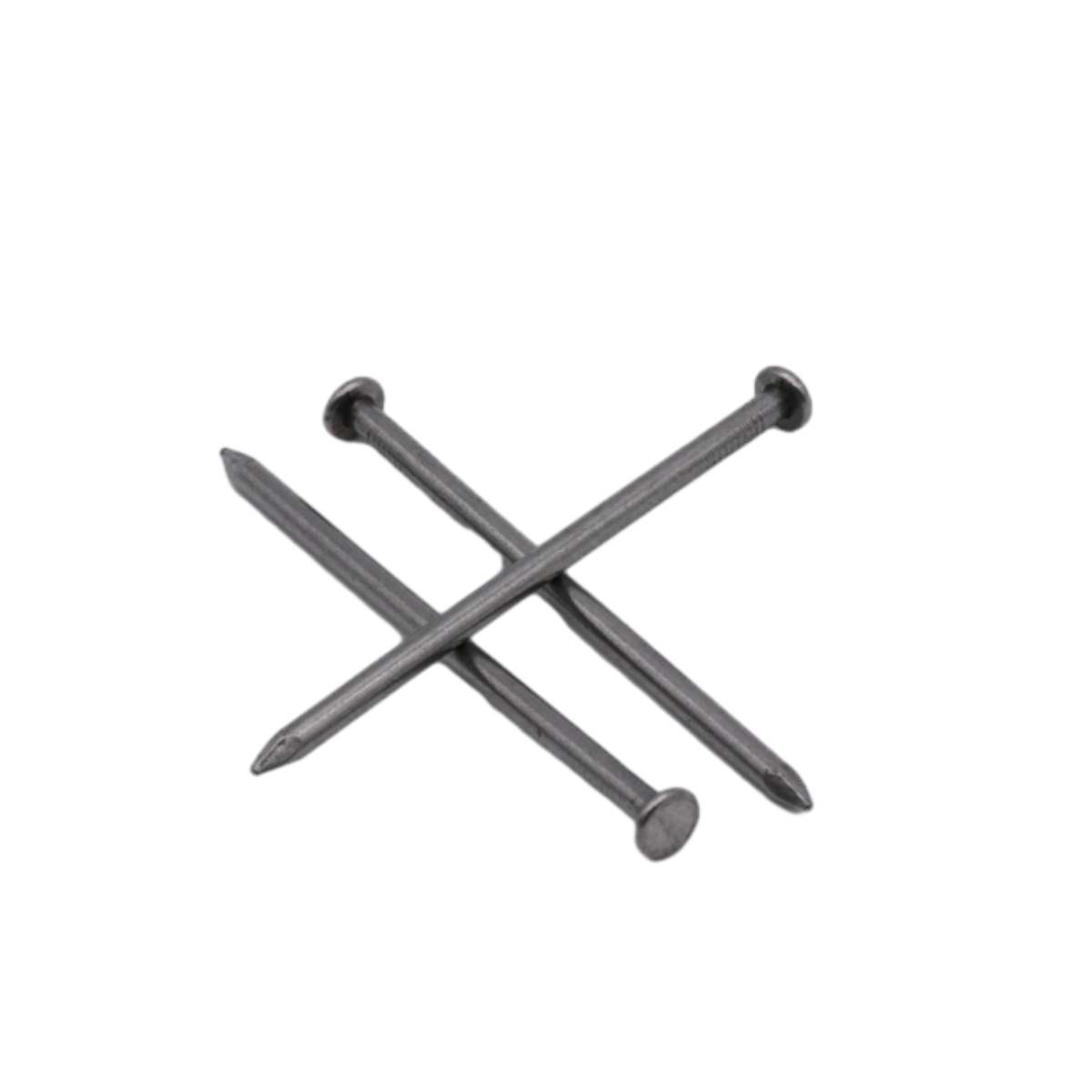
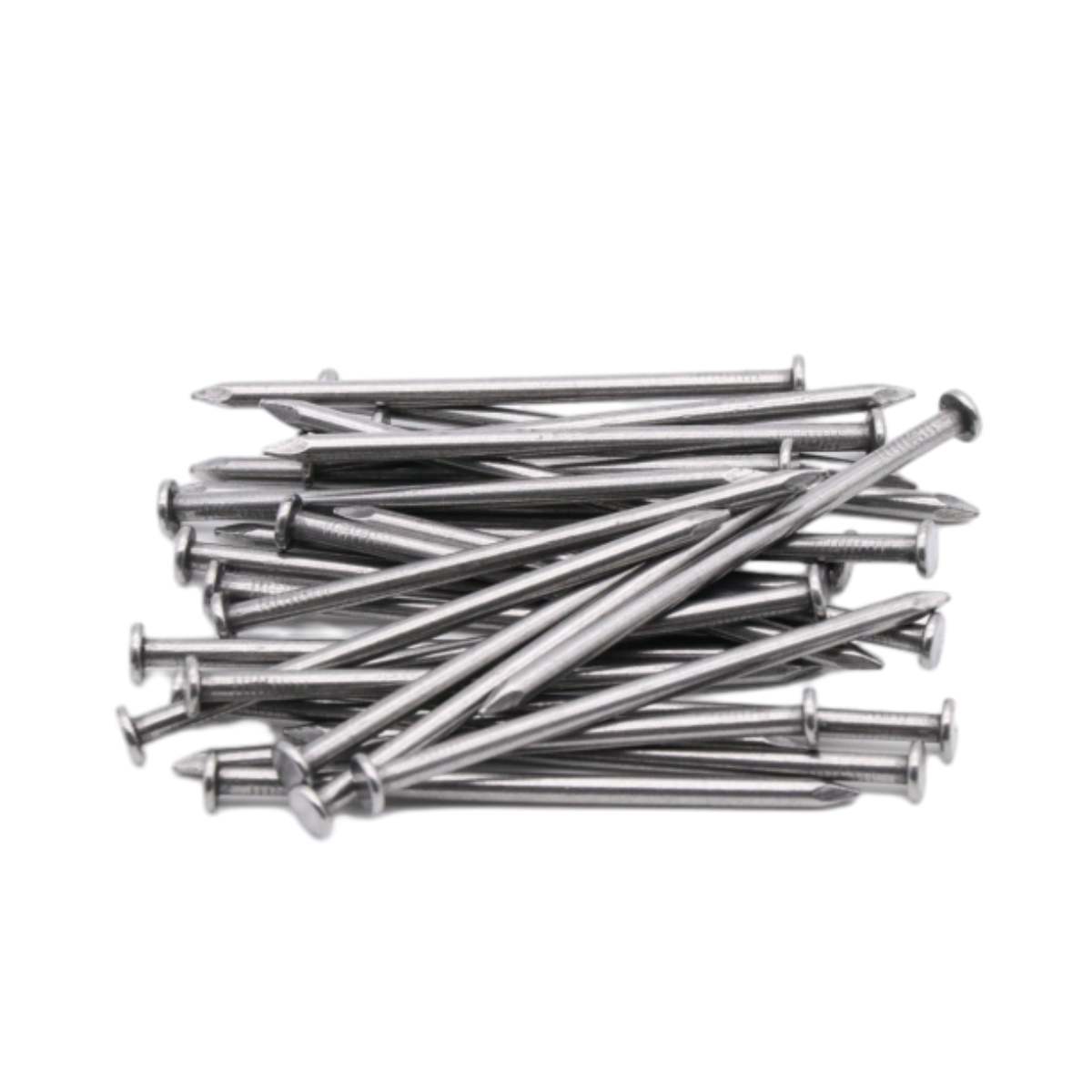
Common nails are widely used in construction and framing due to their strength and versatility, making them ideal for building structures, securing wood, and other carpentry tasks.
Interior Projects
With their bright finish, they are perfect for interior applications where appearance is important, such as furniture assembly or trim work.
Exterior Use
Galvanized common nails are preferred for outdoor projects, such as fencing, decking, and roofing, where durability and resistance to rust are crucial, especially when working with pressure-treated wood.
Parameter Table
Size
Penny Size
Gauge
Head Size
Approx. Count Per Pound
1-1/4"
3D
14
13/64"
543
1-1/2"
4D
12-1/2
1/4"
294
1-3/4"
5D
12-1/2
1/4"
254
2"
6D
11-1/2
17/64"
167
2-1/4"
7D
11-1/2
17/64"
150
2-1/2"
8D
10-1/4
9/32"
101
3"
10D
9
5/16"
66
3-1/4"
12D
9
5/16"
61
3-1/2"
16D
8
11/32"
47
4"
20D
6
13/32"
29
4-1/2"
30D
5
7/16"
22
5"
40D
4
15/32"
17
5-1/2"
50D
3
1/2"
13
6"
60D
2
17/32"
10
Frequently Asked Questions
What is the difference between bright and galvanized common nails?
Bright finish nails are untreated and best for interior projects where rust is not a concern. Galvanized nails are coated with zinc, making them resistant to corrosion and ideal for exterior use.
What does the "D" stand for in nail sizes?
The "D" stands for "penny," which is an old English term used to classify nail length. For example, 16D refers to a 3-1/2 inch nail.
Which gauge of common nail should I use for heavy framing?
For heavy structural framing, larger nails like 16D (8 gauge) or 20D (6 gauge) are typically used because their thicker shanks provide greater shear strength.
Can common nails be used in pressure-treated lumber?
Yes, but you must use hot-dipped galvanized common nails. The chemicals in pressure-treated wood can corrode standard steel nails very quickly.
How do I determine how many nails I need per pound?
The number of nails per pound decreases as the nail size increases. You can refer to our parameter table above for the approximate count per pound for each size.
Are common nails suitable for fine furniture?
While they can be used for furniture assembly, common nails have larger heads that remain visible. For fine cabinetry, finish nails are usually preferred, but common nails are excellent for structural furniture parts.