
What Is the Best Panel Fence for 2026?

Time:2026-11-11 Author:Ethan
0%

Choosing the best panel fence for 2026 starts with more than appearance. The right choice depends on the site, climate, budget, and how much upkeep you can manage. A neat product photo cannot show how a fence handles gusts, wet soil, or years of sun. Details matter.

The U.S. Census Bureau and HUD reported 1,364,100 privately owned housing starts in 2024, in their New Residential Construction annual data. That figure offers useful housing-market context, but it does not measure fence sales or predict demand for any particular panel fence. Still, it highlights why homeowners and contractors need practical, durable boundary options. And there is a catch: national figures cannot tell you what will work in your yard.

This guide compares common panel fence materials, including wood, vinyl, aluminum, and steel, through the questions that affect real projects. How much privacy do the panels provide? Can the posts and fasteners suit local wind and soil conditions? What will cleaning, repairs, and replacement likely require? We also consider installation needs, appearance, and value over time—not price alone. Check manufacturer specifications, applicable local requirements, and site conditions before choosing. A low-maintenance panel may cost more upfront; a cheaper one may need earlier repairs. The best option is rarely universal. It is the one that fits the job, with trade-offs understood before installation.
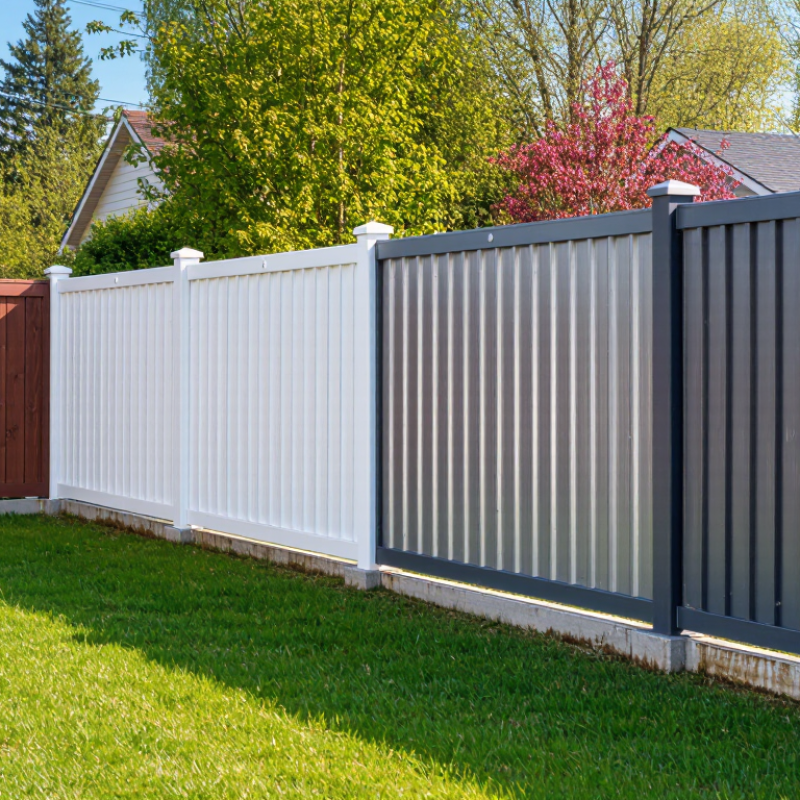
What Is the Best Panel Fence for 2026?

What a Panel Fence Is and How It Is Used

What Is the Best Panel Fence for 2026?

What a Panel Fence Is and How It Is Used

A panel fence uses preassembled sections fixed between upright posts. Panels may be made from timber, welded wire, or metal bars, depending on the job. The sections create a continuous boundary without building each rail or slat on site. That can make planning and replacement simpler.

Panel fences are used to mark property edges, enclose gardens, guide pets, and screen outdoor areas. Open wire panels let air pass through and preserve sightlines. Solid or closely spaced panels offer more privacy, but catch more wind.

A practical choice depends on the site, not just appearance.

Check the ground carefully. A small slope can leave uneven gaps beneath rigid panels, while loose soil may need sturdier post support.

Before choosing, measure the fence line and compare panel widths with post spacing. Leave room for gates and access points. Check the finish for rust resistance if the fence will face rain or damp soil. Installation details vary, so follow the panel maker’s instructions and verify that posts are secure before attaching sections.

It is easy to underestimate the work. Even a neat panel can look crooked when the first post is off by a few centimeters.

Which Panel Fence Materials and Designs Are Available in 2026?

What Is the Best Panel Fence for 2026?
Which Panel Fence Materials and Designs Are Available in 2026?

Panel fences in 2026 come in wood, vinyl, composite, aluminum, and steel. Each suits different needs. Timber offers a warm, natural look, but it may need periodic staining or sealing. Vinyl resists moisture and is easy to clean, though its appearance can feel less textured. Composite panels often mimic wood with less routine upkeep, but they can be heavier and cost more. Aluminum and steel provide crisp lines and open views, or can be paired with privacy inserts.

Design choices range from solid privacy panels to spaced slats and decorative screens. Horizontal slats make a yard feel wider. Vertical boards create a more traditional outline. Some modular panels combine solid lower sections with open upper sections, balancing privacy and airflow. Check panel dimensions, post spacing, and wind exposure before choosing. A beautiful panel can still wobble if its supports are undersized. That detail is easy to overlook.

Tips: Match the material to your climate and maintenance habits. Ask how panels handle fading, moisture, and replacement parts. Bring home a sample; colors can look different beside your house. I’d also check the view from both sides. It’s not always identical.

How to Compare Panel Fences for Strength, Privacy, Cost, and Upkeep

A panel fence is only as strong as its posts, rails, and connections.

A sturdy-looking panel can still flex in wind if its posts are shallow or widely spaced. Check how panels attach, what materials the frame uses, and whether the fence suits your soil and exposure. Metal frames can resist warping, while timber panels may need more frequent checks for rot and loose fixings. Details matter.

Privacy depends on panel height, gaps, and how the fence meets the ground. Stand where neighbors or passersby might look in; small gaps can feel larger at eye level.

Compare the full installed cost, not just the price per panel.

Post holes, uneven ground, gates, and disposal can change a quote considerably. I would not treat the cheapest estimate as the best value without checking its materials and installation details. Upkeep also has a cost: timber may need cleaning, sealing, or replacement boards, while coated metal still benefits from occasional checks for scratches and corrosion.

No option is maintenance-free. A little awkward, perhaps, but it helps to ask installers what repairs typically look like after several seasons. Then weigh that answer against the privacy and strength you actually need.

Which Panel Fence Best Fits Different Properties and Needs in 2026?

The best panel fence in 2026 depends less on a trend than on the property it must serve. For a family yard, rigid steel mesh panels offer clear visibility and help contain pets without blocking airflow. Check the gaps against the size of your animals, and inspect panel edges for sharp points. Small details matter.

For a coastal or rainy site, coated metal can resist corrosion, but damaged finishes may still rust. A modest timber panel can soften a garden’s appearance and provide privacy, though it needs regular checks for rot, loose fixings, and weathering. On sloping ground, stepped panels may leave awkward gaps; adaptable sections can follow the terrain more neatly. Not always.

Commercial yards often need stronger frames and secure gate hardware, while a small courtyard may benefit more from a low, open design. Compare post spacing, panel thickness, finish, and replacement availability—not appearance alone. Ask how the fence handles local wind exposure and what upkeep the material requires. A fence that looks right in a showroom may feel too closed or flimsy at home. It is easy to underestimate that difference.

What Is the Best Panel Fence for 2026? Which Panel Fence Best Fits Different Properties and Needs?

The best panel fence depends on the level of privacy, security, upkeep, appearance, and budget a property requires. Compare common panel-fence options below.

Panel Fence Comparison by Property Need
Fence type Privacy Typical strengths Maintenance considerations Best suited to Points to consider
Wood privacy panels High, with closely spaced or solid boards Natural appearance; can be cut, stained, or painted; many layout options May need periodic cleaning, sealing, staining, or painting. Check for rot, insect damage, and loose boards. Backyards, gardens, and properties where privacy and a traditional look are priorities Wood can weather, shrink, or warp. Performance depends on wood species, treatment, drainage, and local conditions.
Vinyl privacy panels High, when using solid panels Consistent finish; does not need painting; routine cleaning is usually straightforward Wash as needed and inspect posts, rails, and connections. Impact or extreme temperatures can damage some products. Residential yards where low routine upkeep and a uniform appearance are important Check panel construction, wind-load guidance, and installation requirements; color and style choices may be more limited than wood.
Composite panels Medium to high, depending on panel design Often combines recycled plastic and wood fibers; can provide a wood-like appearance without regular painting Usually needs occasional cleaning. Follow the product instructions for stains, moisture, and clearance from the ground. Properties seeking a low-maintenance, contemporary or wood-effect fence Panel weight, expansion, support requirements, and material composition vary; compare the full system specifications.
Aluminum panels Low to medium; typically open-spaced Lightweight, corrosion-resistant, and available in ornamental designs; preserves visibility Generally low upkeep. Periodically clean the finish and check fasteners and posts. Front yards, pool perimeters where permitted, and sloped or landscaped areas where visibility matters Open designs provide little privacy and may not be appropriate where a solid security barrier is needed.
Steel panels Low to high, depending on whether panels are open or solid Rigid construction; can suit security-focused or modern designs Inspect coatings, cut edges, joints, and fasteners for damage or corrosion; repair protective finishes promptly. Commercial sites, boundaries needing a stronger barrier, and contemporary properties Coating quality and exposure to moisture or salt affect corrosion performance. Solid panels can catch wind.
Welded-wire panels Low, unless paired with screening or planting Allows airflow and visibility; useful for containing pets or marking boundaries Check the coating and connections regularly, especially where the fence is exposed to moisture or soil contact. Gardens, utility areas, and properties needing a practical, open boundary Mesh size and panel strength should match the animals or security needs involved; it offers little visual screening by itself.

Selection tip: Before choosing, check local height, boundary, and pool-fence rules; confirm underground utilities and property lines; and consider wind exposure, soil conditions, gate placement, and the complete installed cost. Product performance and upkeep vary by design, materials, installation, and climate.

What to Consider Before Installing and Maintaining a Panel Fence

What Is the Best Panel Fence for 2026?

Choosing a panel fence starts with the site, not a product photo. Measure the boundary, note slopes, and check where water collects after rain. A level lawn can hide soft ground near downspouts. Small details matter. Compare timber, metal, and composite panels for privacy, weight, upkeep, and suitability for local weather. Even a low-maintenance surface needs sound posts.

Before installation, confirm property boundaries and check for buried utility lines. Ask the relevant local office about permits or height limits, since requirements vary by area. Soil, frost depth, and wind exposure affect post spacing and footing choices; a fence installer can assess difficult ground. Leave room for gates to swing without catching on gravel or rising ground. Measure twice. It saves rework.

Plan maintenance before choosing a material. Inspect posts, fasteners, and panel edges each season, especially after strong winds or heavy rain. Clear leaves from the base so moisture does not linger against panels. Timber may need periodic sealing, while metal can still require checks for damaged coatings. Composite panels can stain or shift if installed poorly. Even careful planning misses something; a spare panel can help, though storing it takes space.

FAQS

What panel fence materials are available in 2026?

Common options include wood, vinyl, composite, aluminum, and steel. Each has different upkeep, weight, and appearance.

Which panel fence design offers the most privacy?

Solid panels usually block the most views. Check gaps near the ground and between boards from eye level.

Are horizontal or vertical fence panels better?

Horizontal slats can make a yard feel wider. Vertical boards create a more traditional outline. It depends on the space.

What makes a panel fence sturdy?

Strength depends on posts, rails, connections, and suitable spacing. A heavy-looking panel can still flex in strong wind.

How should I compare fence costs?

Compare the full installed price, not only the cost per panel. Post holes, gates, uneven ground, and disposal can change the estimate.

Which fence materials need the least routine upkeep?

Vinyl is easy to clean and resists moisture. Composite often needs less upkeep than timber, but can cost more and weigh more.

What should I check before choosing a fence?

Consider local weather, wind exposure, soil, panel dimensions, and post spacing. Bring a sample home; colors can look different beside your house.

Is any panel fence maintenance-free?

No. Timber may need sealing or replacement boards, while coated metal needs occasional checks for scratches and corrosion. I’d ask about repairs after a few seasons.

Conclusion

Choosing the best panel fence in 2026 depends on how you plan to use it and what matters most for your property. Panel fences are preassembled sections used to define boundaries, add privacy, improve security, or shape outdoor spaces. Available options may include wood, metal, vinyl, and composite materials, with designs ranging from open and decorative to solid and private. Each choice involves trade-offs in strength, appearance, initial cost, privacy, and ongoing upkeep.

Before deciding, consider your climate, property layout, desired level of screening, budget, and the time you can devote to maintenance. A durable metal fence may suit areas where strength is a priority, while a solid panel design may be better for privacy. Check measurements, ground conditions, installation requirements, and care instructions before work begins. The right panel fence is one that fits your needs, complements your property, and remains practical to maintain over time.

Ethan

Ethan

Ethan is a seasoned marketing professional with a deep expertise in our company's innovative product line. With a passion for sharing knowledge and insights, he takes the lead in regularly updating our corporate blog, where he explores industry trends, product features, and effective marketing......