
Choosing the right barbed wire for your needs is crucial. In a global market filled with options, buyers must understand the types available. Barbed wire serves various purposes, from security to agriculture. Its design has evolved over time, reflecting advancements in technology and materials.
Different regions have specific requirements and preferences. Some buyers prioritize durability, while others look for cost-effectiveness. The right choice can depend on factors like climate and intended use. Yet, not all companies provide reliable products. Some brands may cut corners to save costs, leading to poor quality. This makes research vital.
Understanding the specifications of various barbed wire types is essential. Buyers should consider gauge thickness, spacing, and coating options. Each detail impacts performance and longevity. Engaging with experienced suppliers can provide insights. Ultimately, careful selection enhances safety and effectiveness.
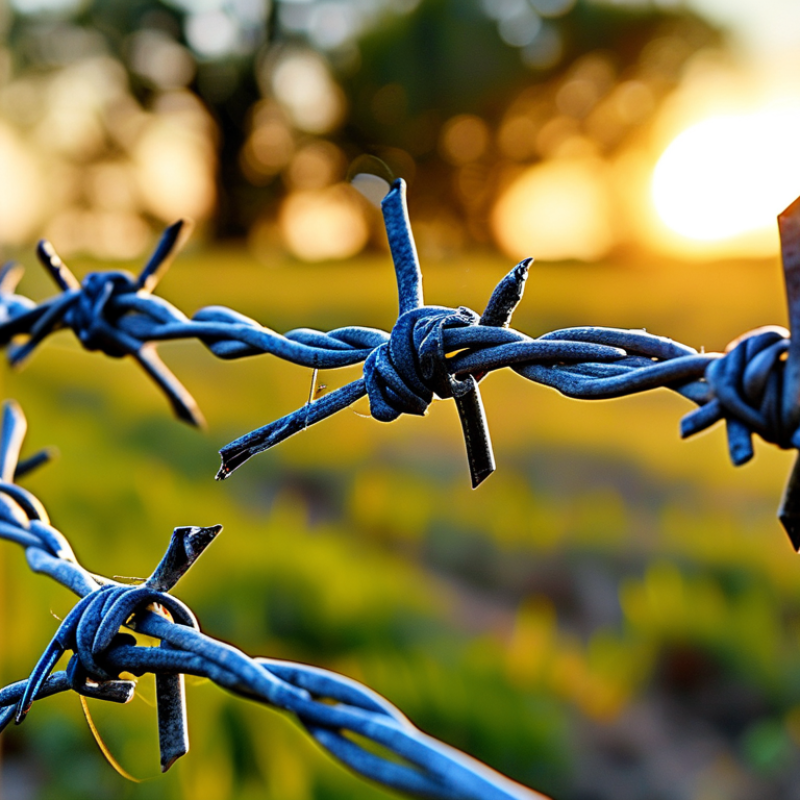
Barbed wire has evolved significantly over the years. It is used worldwide for various applications. Understanding these different types can help buyers make informed decisions.
There are several common types of barbed wire. Standard barbed wire is widely known for its sharp spikes. It is primarily used for fencing livestock and protecting property. Another type is double-strand barbed wire, which provides additional strength. This design is often more durable and reliable for harsher environments.
Razor wire is another option. It has sharp blades that offer extreme security. This type is frequently used in high-security areas. Buyers should consider the environmental impact of their choice. Not all types of barbed wire are suitable for every climate. Reflecting on these details can lead to better purchasing decisions.
When considering barbed wire, key features vary significantly among different types. Common variants include standard barbed wire, razor wire, and electric barbed wire. Each type serves specific purposes and has distinct attributes. For instance, standard barbed wire is often made from galvanized steel, providing durability against corrosion. It typically features sharp barbs spaced evenly to deter intruders without causing serious injury.
Razor wire, on the other hand, is designed for enhanced security. It consists of sharp blades that can inflict serious harm on anyone attempting to breach a perimeter. According to a 2021 industry report, razor wire can reduce trespass incidents by up to 70% in high-security environments. This makes it an excellent choice for detention facilities and military bases.
Electric barbed wire adds another layer of protection. This variant delivers a low-voltage shock to potential intruders. The integration of electric currents significantly increases security without the need for more traditional measures. However, maintenance can be challenging, and systems may fail during power outages. A study from 2020 highlights that while electric systems are effective, they require ongoing vigilance and reliability assessments.
When choosing barbed wire, durability and strength are critical factors. According to the American Iron and Steel Institute, quality barbed wire should have a minimum tensile strength of 60,000 psi. This high strength ensures that the wire can withstand tension and environmental forces over time. However, variations in production methods lead to different levels of durability. Some manufacturers utilize higher-grade steel, while others may choose cost-cutting measures that compromise strength.
The wire gauge also significantly impacts performance. Thinner wires are easier to work with but can bend and rust faster. A common choice is 12.5 gauge wire, providing a balance between workability and strength. Moreover, galvanization plays a crucial role in preventing rust. A report by the National Association of Fence Manufacturers states that double-galvanized wire can last nearly twice as long as single-galvanized options. Despite these advantages, environmental conditions, such as salinity or extreme temperatures, can still diminish the expected lifespan of barbed wire, making it essential to assess the local climate when selecting a product.
Some users may overlook the importance of maintenance. Regular inspections can reveal compromised sections of wire. Repairing or replacing damaged areas can prolong the overall effectiveness of the fence. Understanding these factors is crucial for making informed decisions in the global market for barbed wire. Continuously evaluating these elements helps ensure longevity and reliability in various applications.
When selecting barbed wire types for specific applications, understanding their suitability is crucial. Different environments demand various materials and configurations. For instance, high-tensile wire is often preferred in agricultural settings for livestock containment. According to a market analysis by DataBridge Market Research, the global barbed wire market is expected to reach USD 3.4 billion by 2026, indicating its strong relevance in multiple industries.
Construction sites require durable solutions. The sharpness and spacing of barbs affect security measures. In industrial zones, thicker wires with tighter barbs deter intruders effectively. The Wire Association International suggests that the wrong choice can lead to costly breaches, emphasizing the need to match wire type with purpose.
Tips: Always assess local weather conditions. Rust-resistant coatings can extend lifespan. Be mindful of installation techniques, as improper setup reduces effectiveness. Investing in quality can save on long-term maintenance. Remember, the ideal barbed wire must align with specific safety needs.
When selecting barbed wire, global buyers must consider several critical factors.
Wire thickness is vital, often measured in gauges. For instance, a lower gauge indicates thicker wire, which typically offers increased durability and tensile strength. Reports suggest that consumers favor wire between 12 and 16 gauge for optimal balance between strength and flexibility.
The type of barbs plays a crucial role as well. Twist barbs, for example, create a more aggressive deterrent compared to straight barbs. Some studies indicate that barbed wire with closely spaced barbs can reduce intrusion attempts significantly. This might be beneficial in high-risk areas.
Environmental conditions should also influence the decision. Corrosion-resistant coatings become imperative in humid or coastal regions. A study showed that wire exposure to seawater can reduce lifespan by 50%. Buyers must evaluate these aspects carefully to ensure reliability and effectiveness. Understanding these parameters can lead to better choices, fostering long-term security.
: Common types include standard barbed wire, double-strand barbed wire, razor wire, and electric barbed wire.
It has sharp spikes that deter intruders. It's commonly used for livestock fencing.
It offers extra strength and is more durable for harsher conditions.
Razor wire is used for enhanced security with sharp blades that inflict serious harm.
It delivers a low-voltage shock to deter intruders, increasing security effectively.
Consider wire thickness, type of barbs, and environmental conditions when making a choice.
A lower gauge indicates thicker wire, leading to greater durability and tensile strength.
Exposure to seawater can reduce lifespan by 50%, so corrosion-resistant coatings are important.
Yes, closely spaced barbs can significantly reduce intrusion attempts in high-risk areas.
These systems require ongoing vigilance and can fail during power outages.
The article "2026 Top Barbed Wire Types for Global Buyers to Consider" provides an in-depth overview of the various types of barbed wire available around the world. It highlights the key features of different barbed wire variants, emphasizing their unique characteristics and applications. A comparative analysis assesses the durability and strength of these wire types, guiding buyers in understanding which options are best suited for their specific needs.
Additionally, the article discusses the suitability of various barbed wire types for different applications, ranging from agricultural fencing to security solutions. It also identifies critical factors that influence barbed wire selection, such as cost, material quality, and intended use, enabling global buyers to make informed decisions when purchasing barbed wire. Overall, this resource serves as a comprehensive guide for anyone looking to explore the diverse offerings in the barbed wire market.
