
Choosing a China hardware cloth supplier requires more than comparing prices. The right decision begins with material evidence, production experience, and transparent communication. Hardware cloth may look simple on a warehouse shelf, yet wire diameter, opening size, coating quality, and weld strength affect every installation. A 6 mm opening behaves differently from a 25 mm opening when protecting seedlings, poultry, or ventilation gaps.
Industry data supports careful evaluation. The USDA’s 2022 Census of Agriculture shows the continuing scale of American crop and livestock operations, where dependable protective materials remain practical necessities. Grand View Research’s recent wire mesh market analysis also identifies construction, agriculture, and industrial applications as major demand areas. These reports do not prove that every Chinese supplier is reliable. They show why specifications matter.
Corrosion deserves special attention. Corrosion expert Dr. David A. Jones states, “Corrosion is an electrochemical process.” That short sentence explains why galvanized coating, stainless-steel grade, humidity, and salt exposure must be discussed before purchase. Ask for coating standards, weld inspection records, sample testing, and clear tolerances. Request photographs of actual production, not only polished catalog images. No supplier is perfect. Some certificates may be outdated, and some samples may not represent mass production. That is uncomfortable, but useful. A responsible buyer should compare at least three factories, verify production capacity, and test a sample under realistic conditions. The best hardware cloth supplier is not simply the cheapest option. It is the partner whose material, documentation, and after-sales response remain dependable when the mesh faces rain, pressure, animals, or time.
What Is Hardware Cloth and Why Does Supplier Choice Matter?
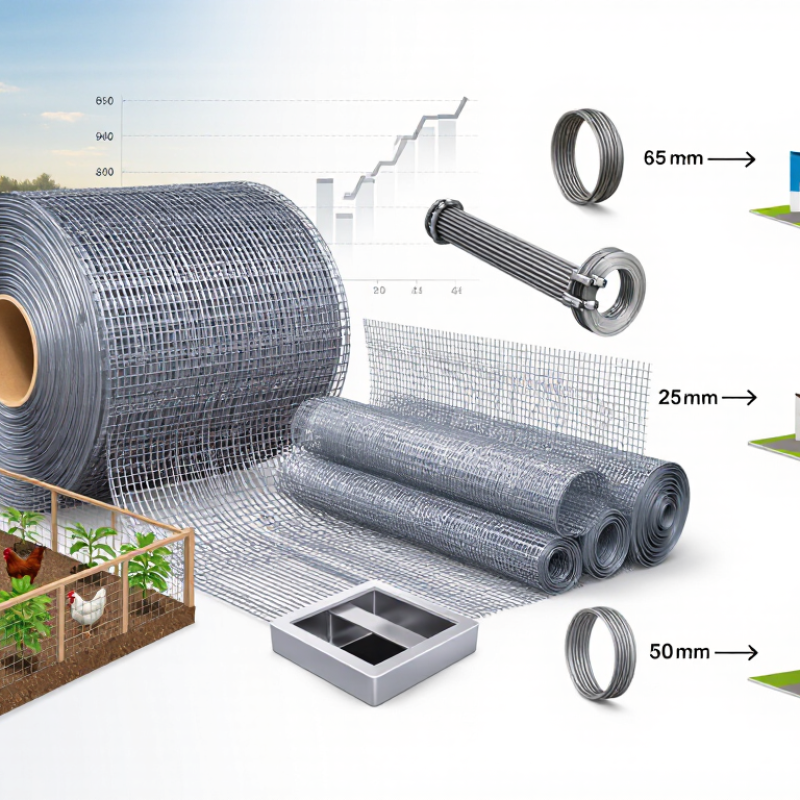
Hardware cloth is a welded wire mesh, not woven fabric. It usually combines steel wire, square openings, and galvanized or polymer coatings. A 6 mm opening can feel rigid in your hands, while a 25 mm opening bends more easily. Wire diameter, weld strength, coating weight, and opening tolerance determine real performance. ASTM A1064/A1064M covers carbon-steel wire and welded wire products, but not every hardware cloth specification. Buyers should confirm the applicable standard.
Supplier choice affects safety, service life, and installation cost. The World Steel Association reported 1.89 billion tonnes of crude steel production in 2023. That scale does not guarantee consistent mesh quality. Production records, coating tests, weld checks, and batch traceability matter more than attractive prices. ISO’s 2023 Survey recorded 1,265,216 ISO 9001 certificates worldwide, showing quality systems are widely used, but certification alone proves little about a specific mesh order.
Ask for measurable evidence. Request wire diameter records, aperture reports, coating details, and sample photos with a ruler beside the mesh. Check whether the supplier protects rolls against moisture during transport. Rust often begins at cut edges. A careless package can ruin good material. I would also compare several samples, because a catalog number may hide tolerances. Supplier selection is technical work, and sometimes my first assumption is wrong. That deserves checking.
China Top Hardware Cloth Supplier: How to Choose?
Before comparing suppliers, define the hardware cloth precisely. Start with the material, such as galvanized steel, stainless steel, or PVC-coated wire. Each option performs differently in moisture, heat, and outdoor exposure. Specify the wire diameter in millimeters. Then state the mesh opening, measured from wire center to wire center or opening edge to edge. Confusing these measurements can create costly errors.
Measure twice. Also record the roll width, roll length, and acceptable dimensional tolerance. If the cloth will support weight, describe the expected load and installation method. For outdoor use, request coating thickness, salt-spray results, or corrosion-test details. A supplier should provide clear inspection records, not only attractive photographs. Ask whether edges are welded, woven, trimmed, or reinforced. This small detail affects handling and long-term stability.
I once focused too much on unit price and overlooked packaging quality. Several rolls arrived with bent edges, which slowed installation. My comparison process was incomplete. Define packing requirements, labeling, sample approval, minimum order quantity, and production lead time before requesting quotations. Ask for a pre-shipment inspection report and confirm how defects are handled. Suppliers may quote different specifications under similar names. A written specification sheet keeps the comparison fair. Leave room for practical judgment, because a technically correct mesh may still be unsuitable for your working conditions.
Before comparing suppliers, define the mesh aperture and wire diameter. Open area affects airflow, drainage, visibility, weight, and material consumption. The figures below use the standard square-mesh calculation: open area = [aperture ÷ (aperture + wire diameter)]² × 100.
Use these specifications as a purchasing checklist: mesh aperture, wire diameter, material or coating, roll width and length, dimensional tolerances, and required compliance standards. A higher open-area percentage generally means lower material coverage and greater airflow, while thicker wire usually improves strength and durability.
A dependable evaluation begins with the product, not attractive catalog images. Request samples with clearly stated wire diameter, mesh opening, roll width, and coating type. Measure the sample yourself. Small differences can affect cutting, fitting, and service life. Check whether the supplier explains production tolerances in writing. Vague answers deserve attention.
Ask for recent test reports and traceable material records. Useful evidence may include tensile strength, zinc coating weight, weld strength, and corrosion resistance. Confirm that reports match the actual product, not an unrelated specification. A factory video helps, but an independent inspection offers stronger evidence. Look at welding lines, drawing equipment, storage areas, and packing methods. Clean handling matters.
Communication reveals operational experience. Send the same technical questions to several suppliers and compare their replies. Reliable teams identify risks before accepting an order. They should discuss lead time, packaging damage, replacement procedures, and inspection points. Do not judge reliability by fast replies alone. A polished catalog can mislead. I have seen a low quotation become expensive after weak packaging caused bent rolls. This is where my own judgment needs checking, too. Samples may pass inspection while mass production changes slightly. Use a written quality agreement, pre-shipment inspection, and batch photos. Keep payment and delivery terms clear. Supplier evaluation is practical work, and trust should grow from verifiable details.
When evaluating a China hardware cloth supplier, inspect quality beyond photographs and certificates. Ask for samples from current production, not specially prepared pieces. Measure wire diameter with a calibrated micrometer. Check mesh openings across several points, because uneven spacing can affect installation. For galvanized cloth, verify coating thickness and surface coverage. Small rust spots matter.
Request material certificates, batch numbers, inspection records, and relevant test reports. Confirm whether the steel grade matches your specification. Production records should show incoming material checks, welding or weaving controls, and final sampling results. Ask how measuring tools are calibrated. A certificate alone is not proof. Its issuing body, test method, date, and tested batch should be traceable.
Compliance depends on the product’s destination and application. Verify packaging labels, chemical declarations, and import documents against current local requirements. For industrial use, request tensile, weld-strength, or coating tests when applicable. Visit the factory if possible, or arrange an independent inspection before shipment. Look for organized storage, clear batch separation, and workers checking finished rolls.
Be practical. No factory performs perfectly every day. A supplier that admits recurring defects may be more reliable than one promising zero problems. Ask for corrective-action records and evidence that defects decreased. Also compare lead times with actual production capacity, not sales promises. Audits can miss things. Recheck samples before every major order.
When choosing a top hardware cloth supplier, compare the complete landed cost, not only the unit price. Wire diameter, mesh opening, coating weight, packaging, and payment terms can change the final figure. The World Bank Commodity Markets Pink Sheet provides monthly steel price data, which helps buyers question sudden price changes. A low quote can still be the wrong quote.
Request a physical sample before placing a large order. Measure the wire with a caliper and check the opening at several points. For galvanized cloth, ask for coating information and test records related to ASTM A641 requirements. Samples should match the proposed production batch, not a better showroom piece. Shipping also deserves careful review. UNCTAD reports that maritime transport carries over 80% of global merchandise trade by volume. Ask for the loading port, container plan, estimated transit time, export documents, and a clear delay procedure. The World Bank Logistics Performance Index 2023 also highlights tracking and delivery timeliness as key logistics factors.
Tips: Compare three written quotations. Keep samples labeled. Check replacement terms. Ask who pays for defects or shortages. After-sales support should include batch traceability, response times, photo-based inspection, and a practical claims process. In real purchasing, response speed often matters more than polite promises. I still see buyers ignore this point. That mistake becomes expensive when fencing work stops. Allow room for uncertainty, because freight schedules and raw material costs can change after approval.
State the material, wire diameter, mesh opening, roll width, and roll length. Define whether measurements use wire centers or opening edges. Include tolerance, coating type, expected load, and installation method. Measure twice.
Suppliers may measure from wire center to center or from opening edge to edge. These methods produce different results. Write the measurement method clearly on the specification sheet. Small errors can disrupt fitting and cutting.
Ask for coating thickness, corrosion-resistance results, and salt-spray test details. Confirm surface coverage across the entire roll. Inspect for bare spots, peeling, or small rust marks. Outdoor exposure is unforgiving.
Request samples from current production, not specially prepared pieces. Measure the wire with a calibrated micrometer. Check mesh openings at several points. Review welding or weaving quality, storage conditions, and packing methods.
Request material certificates, batch numbers, inspection records, and relevant test reports. Reports should identify the tested batch, date, method, and issuing body. Confirm that the steel grade matches your written specification. A certificate alone is not proof.
Use a written quality agreement with inspection points and acceptable tolerances. Request batch photographs and a pre-shipment inspection report. Check several finished rolls, not only one sample. Samples can pass while production changes slightly.
Specify roll protection, edge protection, labeling, stacking, and moisture control. Bent edges can slow installation and create extra handling work. Also define replacement procedures for damaged rolls. I once focused too much on unit price.
Send identical technical questions to several suppliers. Compare their answers about lead time, defects, inspections, and corrective actions. Fast replies do not prove reliability. Ask for evidence of actual capacity and previous quality improvements. My earlier judgment was incomplete.
Choosing a reliable China hardware cloth supplier requires more than comparing the lowest price. Hardware cloth is a woven or welded wire mesh used for applications such as fencing, ventilation, protection, and construction support. Before contacting suppliers, define the required wire diameter, mesh opening, roll or panel size, material, coating, surface finish, packaging, and estimated order volume. Clear specifications make quotations easier to compare and help prevent quality misunderstandings.
When evaluating a supplier, review its production capacity, equipment, quality-control procedures, certifications, and experience with international orders. Request samples to check mesh accuracy, weld strength, coating consistency, and dimensional tolerance. Compare pricing together with tooling, packaging, shipping terms, lead time, and payment conditions rather than focusing only on the unit cost. A dependable supplier should communicate clearly, provide transparent documentation, support inspection before shipment, and offer practical after-sales assistance when issues arise. This structured approach can help buyers select a suitable supplier and achieve stable, cost-effective hardware cloth procurement.
