
What Is a Garden Trellis and What Is It Used For?

Time:2026-09-24 Author:Amelia
0%

A garden trellis is more than a decorative frame beside a fence. It is a structured support that guides climbing plants upward, outward, or across a wall. Beans, peas, cucumbers, roses, clematis, and jasmine can all benefit from one. The right design can improve airflow, reduce ground contact, and make harvesting easier. It can also turn a narrow patio into a productive growing space. Sometimes, it simply hides an unattractive boundary.

Industry data shows why these supports remain relevant. The National Gardening Association’s National Gardening Survey continues to track strong household interest in food gardening and ornamental plants. Grand View Research’s garden tools market analysis also identifies growing demand for practical products that improve home cultivation. These reports do not measure every garden trellis directly. Still, they reflect a wider movement toward smaller, more productive, and visually organized gardens.

Horticulturist Monty Don once said, “A garden is never finished.” That idea fits trellis planning well. Plants change, supports weather, and yesterday’s perfect position may become too shaded this season. A trellis should match the plant’s mature weight, not its appearance at purchase. Thin wire may suit sweet peas, but heavy grapevines need stronger timber or metal. Check the joints. Leave space behind the frame. Secure tall structures before strong wind arrives.

It is easy to oversell them. A trellis will not fix poor soil, weak light, or careless watering. It is only a framework. Used thoughtfully, however, it combines plant support, space efficiency, and garden character in one simple structure.
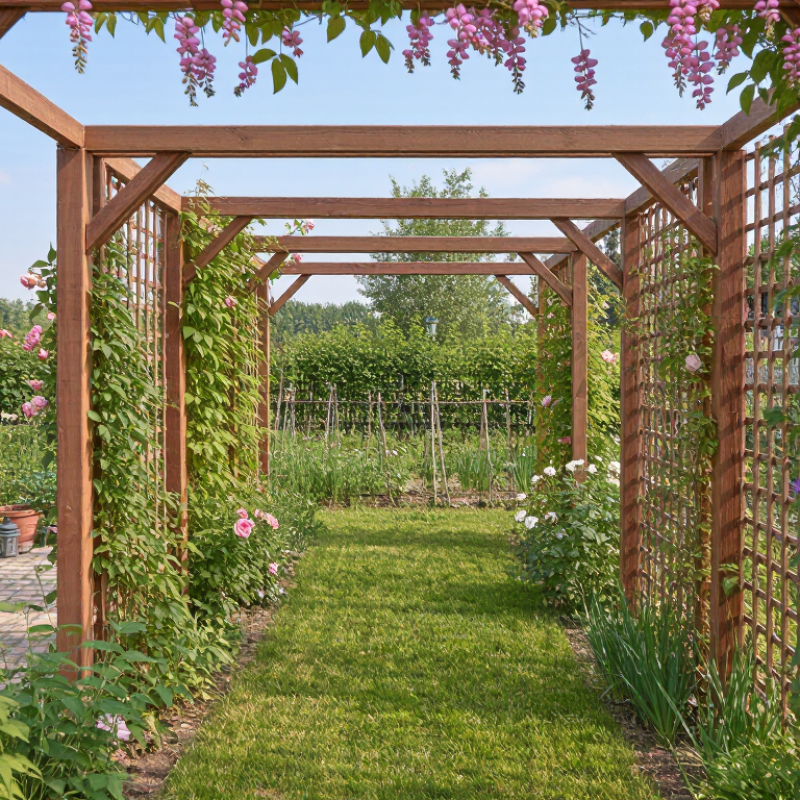
What Is a Garden Trellis and What Is It Used For?

What Is a Garden Trellis?

A garden trellis is a vertical framework that supports climbing plants. It may be made from wood, metal, bamboo, or strong garden mesh. Unlike a fence, a trellis is designed to guide growth rather than mark a boundary. Its open structure lets sunlight and air reach leaves more evenly. Cucumbers, peas, beans, roses, and climbing flowers often grow well with this support.

A trellis can save garden space by lifting vines above the soil. This keeps fruit cleaner and makes harvesting easier. It can also improve airflow around dense foliage, which may reduce damp conditions. Place the structure firmly before planting, because mature vines become surprisingly heavy. A support that leans after rain is not useful. I have found that small gaps between stems and the frame make tying easier, although gardeners sometimes leave too little room. That mistake is easy to make.

Tips: Choose a trellis based on the plant’s mature height and weight. Secure it with sturdy stakes in loose soil. Use soft ties, not thin wire, which can cut growing stems. Check the structure after strong wind and adjust it early. Leave enough space behind the frame for watering and pruning. A trellis is helpful, but it cannot replace suitable light, healthy soil, or regular care.

How a Trellis Supports Climbing Plants

A garden trellis is a practical framework that helps climbing plants grow upward instead of spreading across the soil. It may use wood, metal, or sturdy wire. The structure should stand firmly, especially before vines become heavy with leaves and fruit.

Climbing plants rarely rise neatly on their own. Young stems need gentle guidance around a narrow support or through a wide grid. I usually tie them loosely with soft garden tape, leaving room for the stems to thicken. Tight knots can cut into growing tissue. Peas grip thin surfaces with tendrils, while beans wrap around vertical poles. Cucumbers often need extra support under developing fruit.

A trellis also improves air movement around dense foliage. Better airflow can help leaves dry faster after rain and may reduce some fungal problems. It keeps fruit cleaner and makes harvesting easier. A six-foot frame can support many vines, but height alone is not enough. Strong anchoring matters more than appearance. I once used a light frame for mature cucumbers, and the whole structure leaned after one storm. That mistake changed how I plan supports. The base now goes deeper into firm soil, and heavy crops receive cross-bracing. Still, no trellis works perfectly for every plant. Some vines need frequent tying, while others pull away from the frame as they grow.

What Is a Garden Trellis and What Is It Used For? — How a Trellis Supports Climbing Plants

Aspect Typical Options or Dimensions How It Supports Climbing Plants Practical Considerations
Basic function Vertical or angled framework made from wood, metal, plastic, or wire Provides a structure for stems, tendrils, twining growth, or soft plant ties to climb Choose a structure that matches the plant’s mature size, weight, and climbing method
Common height Approximately 60–240 cm (2–8 ft) Creates vertical growing space and helps direct foliage away from the ground Short trellises suit compact crops and flowers; taller designs are useful for vigorous vines and privacy screening
Common width Approximately 30–180 cm (1–6 ft) Offers a broad surface for spreading stems and leaves Wider panels can support more plants but may require stronger anchoring
Opening or grid spacing Approximately 5–30 cm (2–12 in) between bars, wires, or lattice strips Gives tendrils and young stems places to pass through or wrap around Use smaller openings for delicate vines and wider openings for plants with thick stems or large foliage
Materials Wood, galvanized or coated metal, plastic, bamboo, and wire Provides different levels of rigidity, surface texture, durability, and weather resistance Untreated wood may weather faster outdoors; metal should be stable and free from sharp edges that could damage stems
Climbing plants with twining stems Examples include beans, morning glory, and some ornamental vines The stems wind around narrow poles, strings, or wires as they grow Install the support before vigorous growth begins so young stems can reach it easily
Plants with tendrils Examples include peas, cucumbers, and grapevines Tendrils coil around thin supports and help lift the plant upward Horizontal wires, netting, or slender lattice members are generally easier for tendrils to grasp than broad solid panels
Plants that need tying Examples include climbing roses, tomatoes, and some large perennial vines Stems are guided and attached to the framework with soft ties Leave room for stem expansion and check ties regularly to prevent constriction
Self-clinging climbers Some vines attach with adhesive pads or aerial roots The plant attaches directly to suitable surfaces as it grows A trellis can protect walls and make pruning easier, but it should be securely spaced and anchored
Support for edible crops Vertical netting, wire panels, stakes, or ladder-style frames Keeps fruits and foliage above the soil, improving access for harvesting and inspection Provide firm support for heavy crops and allow enough clearance for watering and harvesting
Air circulation Open lattice, netting, or spaced wires Raises foliage off the ground and allows air to move through the plant canopy Good spacing may help foliage dry more quickly after watering or rain, although it does not eliminate plant diseases
Light exposure Open designs with limited shading Positions leaves higher and can expose more of the plant to available sunlight Place the trellis according to the plant’s light requirements and avoid casting unnecessary shade on nearby plants
Privacy and screening Usually 150–240 cm (5–8 ft) high, depending on local conditions Provides a framework for dense foliage to form a visual screen Anchor tall structures securely and consider wind exposure, mature plant weight, and access for pruning
Anchoring method Ground stakes, posts, brackets, containers, or wall-mounted spacers Keeps the framework stable while plants add weight and wind resistance Insert or secure supports deeply enough for the soil and conditions; freestanding trellises need a wider or weighted base
Placement from a wall A small air gap is commonly used for wall-mounted structures Creates space for stems, leaves, pruning, and airflow behind the plant Use appropriate brackets and avoid trapping damp plant material directly against vulnerable wall surfaces
Maintenance Seasonal inspection, cleaning, tying, pruning, and checking fasteners Maintains the support system as plants grow and prevents stems from becoming tangled or overloaded Replace broken components and loosen or reposition ties as stems increase in diameter
Main benefits Vertical space use, improved access, decorative structure, and organized growth Guides plants into a manageable form and keeps climbing growth off paths and nearby plants A trellis supports growth but does not replace suitable soil, water, light, pruning, or pest management

Common Trellis Types and Materials

What Is a Garden Trellis and What Is It Used For?

A garden trellis is a frame that supports climbing plants as they grow upward. It keeps stems off damp soil and improves air movement around leaves. Common types include flat wall trellises, A-frames, fan trellises, arches, and obelisks. Flat panels suit peas, beans, and flowering vines near fences. A-frames create a stable tunnel for vegetables in raised beds. Fan shapes spread several stems across a wall. Obelisks add height in containers or small borders. Arches need firm anchoring because mature vines can catch strong wind.

Material affects strength, maintenance, and appearance. Treated wood offers a warm look, but it may split or rot near wet soil. Bamboo is lightweight and renewable, although thick vines can eventually bend it. Metal trellises handle heavy growth well and usually last longer. However, dark metal may become hot in full sun. Plastic is easy to clean and resists moisture, but some types become brittle in cold weather. Wire grids provide excellent support for peas and cucumbers, yet small openings can make harvesting awkward. Measure the plant's mature height before choosing a frame. A weak trellis can fail suddenly.

I once underestimated the weight of a mature squash vine. The frame leaned badly. Reinforced posts would have prevented that problem. Fasten climbing stems loosely with soft ties, leaving room for thickening. Not every plant needs a tall structure. Some only need a low, sturdy guide.

What Is a Garden Trellis and What Is It Used For?

A garden trellis is a structure that supports climbing plants, improves air circulation, and helps gardeners use vertical space. Common forms include wall-mounted panels, fan trellises, A-frames, arches, and obelisks.

Typical outdoor service life by material: untreated bamboo and wood generally require earlier replacement, while galvanized or coated metal can last longer. Actual lifespan depends on moisture, sunlight, soil contact, coating, and maintenance.

Where to Place a Trellis in the Garden

A garden trellis supports climbing plants while adding height, structure, and privacy. Its placement affects sunlight, airflow, watering, and long-term plant health. I usually position a trellis where morning or afternoon light reaches the leaves evenly. Most flowering vines need several hours of direct sun, but tender plants may need protection from harsh afternoon heat.

Check the soil before installing it. A trellis should stand firmly, especially when wet foliage becomes heavy. Place it behind vegetables, along a fence, or beside a bare wall with enough space for air movement. Avoid pressing it tightly against masonry, because trapped moisture can encourage mildew and damage surfaces. Leave room for pruning and harvesting. I once placed a trellis too close to a path, and the vines quickly narrowed the walking space. It looked attractive, but the location was poorly planned.

Tips: Watch the area for one full day before choosing a position. Mark the sunniest and shadiest hours. Keep the structure away from strong wind corridors when possible. Use deep supports for tall vines. Consider the plant’s mature width, not its current size. A small gap behind the foliage helps leaves dry after rain. Recheck the arrangement after several weeks. Garden conditions can reveal mistakes that planning misses.

How to Choose and Use the Right Trellis

What Is a Garden Trellis and What Is It Used For?

A garden trellis supports climbing plants while keeping stems, leaves, and fruit off the ground. Choosing the right trellis starts with the plant’s mature size, weight, and climbing habit. Light vines may need only a narrow grid, while cucumbers and flowering climbers require stronger frames. Observe the planting area before buying. Measure its height, width, sunlight, and soil condition.

Wood, metal, and plastic each behave differently outdoors. Wood looks warm but may need regular sealing. Metal offers firm support, though thin pieces can bend under heavy growth. Plastic is light and easy to move, but strong sunlight can make it brittle. I once used a shallow trellis for vigorous beans, and the plants pulled it forward after rain. The mistake was mine.

Install the structure before the plant becomes tangled. Push posts deeply into firm soil, or anchor them with ground stakes. Leave enough space behind the trellis for airflow and maintenance. Tie young stems loosely with soft garden ties. Tight knots can damage expanding vines. Guide growth every few days during the active season. Check it weekly. Look for leaning posts, broken ties, and crowded leaves. Some plants grip naturally, while others need gentle training. A small gap at the base can also help prevent moisture from collecting around stems. Perfect spacing is difficult, especially in a changing garden. Adjust as the plant grows.

FAQS

What is a garden trellis used for?

It guides climbing plants upward instead of letting stems spread across damp soil. Leaves receive better airflow, and fruit stays cleaner.

Which plants can grow on a trellis?

Peas use tendrils to grip thin supports. Beans wrap around poles, while cucumbers and squash may need extra ties or slings.

How should climbing stems be attached?

Use soft garden ties and leave space for thickening stems. Tight knots can damage growing tissue. Loose is safer.

Which trellis shape suits a small garden?

A-frame trellises work well in raised beds. Fan shapes suit walls, while obelisks add height to containers and narrow borders.

What material makes a strong trellis?

Metal usually handles heavy vines well. Wood looks warm but may split or rot near wet soil. Bamboo is light, yet thick vines can bend it.

How can I choose the right trellis height?

Measure the plant’s mature height and width, not its current size. A tall frame can still fail without deep supports and cross-bracing.

Where should a trellis be placed?

Choose a spot with suitable sunlight and enough room for airflow. Keep it slightly away from walls, paths, and strong wind corridors.

Why does trellis anchoring matter?

Wet leaves and fruit can make vines surprisingly heavy. I once used a light frame, and one storm made it lean badly.

How does a trellis improve plant care?

Raised foliage dries faster after rain, which may reduce some fungal problems. Harvesting also becomes easier. Mistakes still happen.

Conclusion

A garden trellis is a structure designed to support climbing plants as they grow upward. It gives vines, flowering climbers, and certain vegetables a stable framework to grip, helping them receive better sunlight, improve air circulation, and stay organized. By guiding stems vertically, a trellis can also save ground space, make harvesting easier, and add height and visual interest to a garden.

Trellises come in many forms, including flat panels, arches, obelisks, and wall-mounted supports, and may be made from wood, metal, plastic, or natural materials. The best location depends on the plant’s sunlight needs, available space, and protection from strong winds. When choosing and using a trellis, consider its height, strength, spacing, durability, and compatibility with the plant. Install it securely before the plant becomes large, and gently guide or tie growing stems when necessary without restricting their natural development.

Amelia

Amelia

Amelia is a seasoned marketing professional with a wealth of expertise in our company’s core offerings. With an unwavering passion for driving growth and innovation, she plays a pivotal role in shaping our marketing strategies and enhancing brand visibility. A key aspect of her responsibilities......