Gabions are versatile construction materials that have gained popularity in various engineering applications. These structures consist of wire mesh cages filled with rocks, gravel, or other materials. They serve multiple purposes, from erosion control to creating sturdy retaining walls. Gabions offer a natural appearance and blend seamlessly into landscapes, making them an attractive choice for many projects.
Construction professionals value gabions for their durability and flexibility. They can be easily stacked and arranged to fit different designs. When filled with local stones, gabions not only reduce material costs, but also promote sustainability. Their permeability allows water to flow through the structure, reducing pressure build-up. Yet, gabions require careful planning and maintenance. Improper installation can lead to structural issues over time.
Utilizing gabions effectively also involves understanding their limitations. For instance, they may be less effective in areas with heavy flooding. A thoughtful approach is necessary to ensure they meet both aesthetic and functional needs. Experimentation with different designs can yield unique, engaging results. Gabions, while simple, present an opportunity for innovation in construction practices.
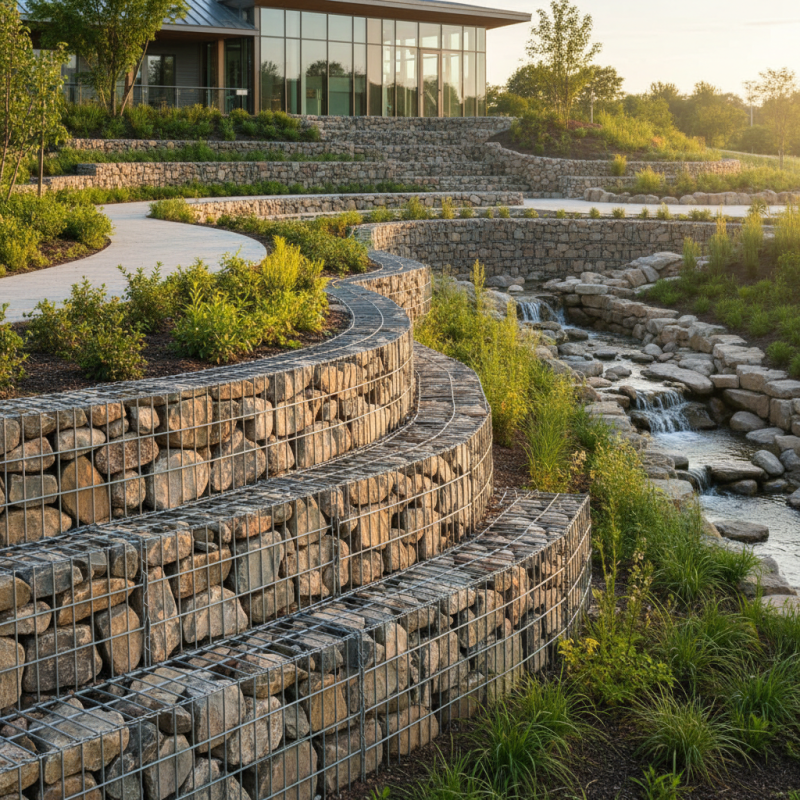
What is a Gabion? Definition and Overview
Gabions are wired cages filled with rocks, soil, or other materials. They are frequently used in construction and civil engineering. According to the International Journal of Engineering Research and Technology, gabions provide effective solutions for erosion control and landscape stabilization. Their versatility makes them suitable for building retaining walls, riverbank protection, and even decorative purposes.
The key advantage of gabions lies in their ability to blend with the environment. They can be designed to fit various terrains and conditions. But improper installation can lead to failures. According to the American Society of Civil Engineers, well-engineered gabion structures greatly enhance durability, but design flaws can cause significant issues.
Gabion usage is expected to grow due to factors like sustainability and cost-effectiveness. The Global Gabion Market report forecasts a steady increase, driven by infrastructure developments worldwide. Yet, it’s crucial to note that gabions might not suit every context. Local soil conditions and climate can affect their performance. Addressing these factors is essential for long-term success in construction projects.
History of Gabions in Construction
Gabions have a long and fascinating history in construction. Originating from the Italian word "gabbione," meaning "big cage," these structures date back to ancient times. Initially, they served as military fortifications, helping to shield troops and equipment from enemy attacks. They were filled with earth, stones, or other materials to create sturdy barriers. Over the centuries, their use evolved in various regions, reflecting changes in construction techniques and environmental needs.
In modern construction, gabions are widely employed for retaining walls, erosion control, and landscaping. They provide an effective solution for steep slopes and riverbanks. The versatility of gabions lies in their ability to blend with natural surroundings while offering structural support. Many early applications were solely functional, but today, aesthetics play a vital role. The design can complement architecture and nature. However, despite their popularity, there are challenges. Stability can be compromised if poorly designed or constructed. Ensuring proper drainage and material selection remains crucial. This history reflects the adaptability of gabions, much like the evolving challenges in construction today.
Materials Used to Construct Gabions
Gabions are wire mesh containers filled with rocks, stones, or other materials. They are popular in construction for their versatility and strength. The materials used to construct gabions play a crucial role in their effectiveness.
Galvanized steel wire is commonly used for the mesh. This material is resistant to rust and corrosion. In many regions, it can last over 20 years without major maintenance. The size of the wire often ranges from 2.7mm to 4.0mm. Larger wires provide greater strength but may increase costs.
The fill material varies depending on local availability and the project’s purpose. Natural stones are frequently used; they can stabilize soil effectively. According to industry reports, using locally sourced materials can cut costs by 30%. Other fill options include recycled concrete and even glass. Environmental reports highlight that these alternatives reduce landfill waste. However, considerations about density and drainage must be made when using non-natural materials.
Quality control is essential. Poorly made gabions may not perform as expected. Regular inspections during and after construction can help identify issues early. This ensures the long-term stability of structures built with gabions.
Common Applications of Gabions in Civil Engineering
Gabions are wire mesh baskets filled with stones or other materials. They are widely used in civil engineering for various applications. One common use is in erosion control. According to a report by the American Society of Civil Engineers, underwater bank erosion can be reduced by 50% through the use of gabions. By stacking them in strategic locations, engineers can direct water flow and prevent the loss of soil.
Another application is in retaining walls. Gabion walls are cost-effective and visually appealing. A study by Civil Engineering Magazine indicates that these walls can last over 30 years with minimal maintenance. They provide a flexible solution that adapts to different soil conditions. However, some challenges exist. Over time, the stones may shift, affecting stability. Regular inspections are necessary to ensure their efficacy.
Gabions are also used in landscaping. They create aesthetic features like seating areas and planter boxes. A case study highlighted how cities utilize gabions to blend structures into natural landscapes effectively. This approach raises questions about the sustainability of materials used. Over-reliance on specific rocks can lead to resource depletion. Such considerations underline the importance of responsible sourcing in construction practices.
Advantages and Disadvantages of Using Gabions
Gabions are wire cages filled with stones or natural materials. They are widely used in construction for retaining walls, erosion control, and landscaping. Using gabions has both advantages and disadvantages.
One major advantage of gabions is their flexibility. They can be adapted to different environments and soil types. Gabions are porous, which allows water to pass through, reducing hydrostatic pressure behind retaining walls. However, they can also require a significant amount of maintenance. Over time, the wire can corrode, and stones may need to be replaced.
Another advantage is their cost-effectiveness. Gabions often utilize local materials, which minimizes transportation costs. Beyond economic benefits, they provide an aesthetic appeal, blending into natural landscapes. Nevertheless, they may not be suitable for every project. In some cases, they can occupy more space than traditional walls due to their bulk.
**Tips:** When considering gabion use, assess your local climate. Heavy rains can pose challenges like instability. Ensure proper drainage to enhance durability. Regular inspections can prevent costly repairs. Lastly, think about how the design aligns with your overall project goals, as aesthetics matter in construction.
Advantages and Disadvantages of Using Gabions in Construction
FAQS
: Gabions are wire cages filled with stones or natural materials for construction.
Originally used for military fortifications, gabions shielded troops from attacks.
Gabions are flexible, cost-effective, and blend well with nature.
Yes, they need maintenance. Wire can corrode, and stones may need replacing.
No, they may not fit all projects due to their space requirements.
Gabions are porous. This allows water to pass, reducing hydrostatic pressure.
Assess local climate, drainage needs, and how they fit your design goals.
Yes, they offer an aesthetic appeal, complementing natural landscapes.
Poor design can compromise stability. Regular inspections are essential.
While they often use local materials, costs can vary depending on the project.
Conclusion
Gabions are wire mesh cages filled with materials such as rocks, concrete, or other aggregates, widely used in construction and civil engineering. Originating from military applications, their history dates back to ancient times when they were used for fortifications. Today, gabions serve various purposes, including erosion control, riverbank stabilization, and as decorative landscape features.
The primary materials for constructing gabions include galvanized steel wire and natural stones, ensuring durability and resistance to environmental elements. They offer several advantages, such as cost-effectiveness, flexibility in design, and ease of installation. However, there are also disadvantages, including potential corrosion over time and aesthetic concerns. Overall, gabions have become a versatile solution in modern construction practices, combining functionality with environmental benefits.