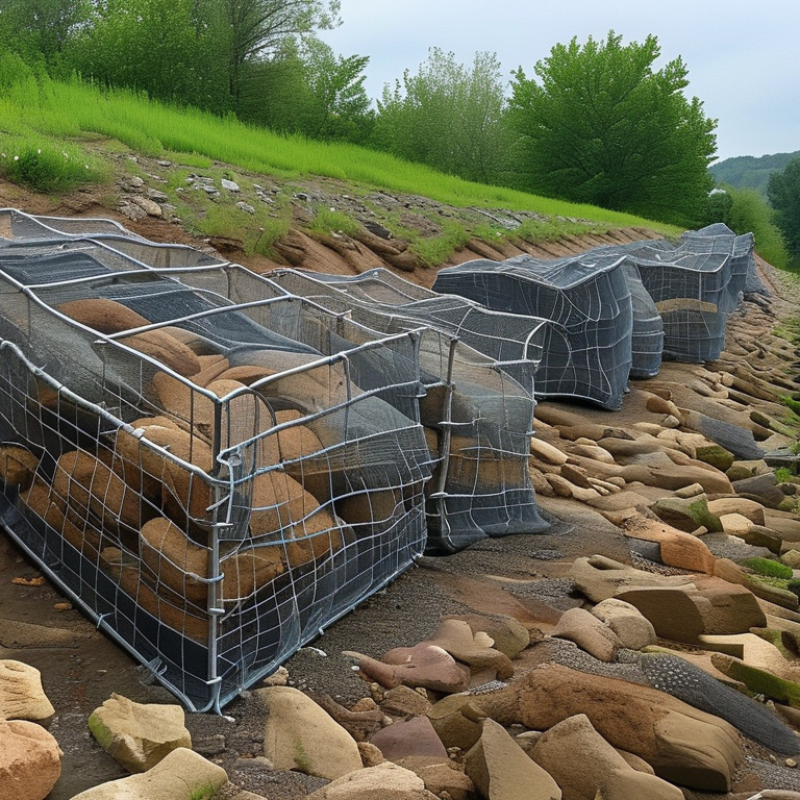
In civil engineering, the use of gabions has grown significantly. These wire mesh containers filled with rock have proven beneficial for various projects. According to Dr. Jane Wilson, a leading expert in geotechnical engineering, "Gabions provide a cost-effective solution for erosion control and structural reinforcement."
Gabions are versatile and durable. They can be used in landscaping, retaining walls, and riverbank stabilization. Their flexibility in design allows for creativity while maintaining practicality. Many engineers appreciate how gabions blend in with natural surroundings.
However, there are challenges to consider. Installing gabions requires careful planning. Soil conditions and environmental factors can impact effectiveness. Despite these issues, the advantages often outweigh the drawbacks. Gabions remain a viable choice for modern construction.
What is a Gabion and Its Historical Origins in Construction
Gabions have a rich history in construction that dates back to ancient times. Originally, they were used by the Egyptians to protect their fortresses from flooding. The word "gabion" comes from the Italian "gabbione," meaning "big cage." These wire mesh cages filled with stones became a key element in military fortifications during the Renaissance. Their use expanded in engineering projects due to their effectiveness in erosion control and flood management.
Today, gabions are widely used in landscaping and civil engineering. The American Society of Civil Engineers notes that gabion structures can reduce soil erosion by up to 75%. They also help stabilize riverbanks and slopes. Their permeability allows water to flow through, reducing pressure on structures. However, maintenance is essential. Over time, vegetation may grow within gabions, which can weaken their structural integrity.
Tips: When planning a gabion project, consider the local environment. Select stone that blends well with the surroundings. Ensure proper drainage to maintain stability. Regular checks can prevent long-term issues, keeping your structure strong and functional. Initiate the use of gabions in small-scale projects to gauge effectiveness before larger implementations.
Benefits of Gabions in Construction Projects
Types of Gabions: Wire Mesh, Stone, and Other Variations Explained
Gabions are flexible structures primarily made of wire mesh and filled with stones. They serve various purposes, such as erosion control, landscaping, and even design elements in architecture. Understanding the different types of gabions can help tailor your project.
Wire mesh gabions are often the most popular choice. They are easy to handle and can be adapted to various shapes and sizes. Filled with stones, they provide excellent strength and stability. However, the quality of the wire is crucial. Poor-quality mesh can lead to rusting and degradation. Choosing high-quality materials will save costs and effort in the long run.
For those looking for aesthetic appeal, stone gabions can be creatively designed. They not only act as a retaining wall but also enhance the visual landscape. Mixing colors and textures can create stunning effects. Always consider local stone sources for sustainability.
Tips: Always double-check your local regulations regarding gabion installations. The weight and size of the stones can affect stability, so proper planning is necessary. Additionally, trial runs with smaller structures might help refine your approach, revealing what works best for your specific environment. Challenges can arise, but every setback offers a chance for learning and improvement.
Benefits of Using Gabions in Civil Engineering and Landscape Projects
Gabions are widely used in civil engineering and landscape projects due to their numerous benefits. These wire mesh containers are filled with rocks or other materials, creating strong, flexible structures. According to a report by the International Journal of Civil Engineering, using gabions can reduce erosion by up to 70% when properly implemented. This makes them essential in areas vulnerable to water damage. They blend well with the natural environment, enhancing aesthetics while providing structural integrity.
Another advantage of gabions is their cost-effectiveness. The same journal states that implementing gabion walls can be 30% cheaper compared to traditional concrete walls. This is especially vital for projects with budget constraints. They require minimal maintenance, as durable materials resistant to weathering are often used. However, some may argue that gabions can be challenging to install accurately, and improper filling may lead to structural failure over time.
In landscape architecture, gabions can support biodiversity. When filled with local stone or vegetation, they create habitats for various species. Research indicates that projects incorporating gabions can increase local biodiversity by more than 20% compared to conventional designs. Nevertheless, it’s crucial to evaluate site-specific conditions before deploying gabions to ensure their long-term effectiveness. Addressing these challenges can lead to more robust and sustainable project outcomes.
Environmental Impact of Gabions: Sustainability and Erosion Control
Gabions are wire mesh containers filled with rocks or soil, often used in construction and landscaping. Their environmental impact is significant, particularly in erosion control and promoting sustainability. A study by the U.S. Geological Survey indicated that using gabions can reduce soil erosion by 30% to 50%. This reduction helps maintain soil structure and protects waterways from sedimentation.
Their porous nature allows water to flow through, preventing the buildup of hydrostatic pressure. This characteristic is essential in areas prone to flooding. Moreover, gabions can support local ecosystems by providing habitats for wildlife. They can also blend seamlessly into natural landscapes, reducing visual pollution. A report from the International Erosion Control Association highlights that gabions made with natural stone are more sustainable than traditional concrete.
However, not all implementations of gabions are perfect. Choosing the right materials and placements requires expertise. Poorly designed installations can lead to structural failures, negating their benefits. Engineers must also consider long-term effects on the environment. As we explore gabion technology, understanding its strengths and limitations becomes crucial for future projects.
Cost Analysis: Comparing Gabions to Traditional Retaining Wall Solutions
When comparing gabions to traditional retaining wall solutions, several cost factors come into play. Gabions are typically less expensive than concrete walls when considering material and installation costs. They utilize wire mesh filled with stones, which can be sourced locally. This reduces transportation expenses. In contrast, traditional walls often involve hefty shipping costs and skilled labor for installation.
However, the initial savings with gabions can be misleading. While they may lower upfront expenses, long-term maintenance can be a concern. Gabion structures can erode over time, especially in heavy rain or flood areas. Regular inspections and maintenance might be necessary, which can add to costs. It's essential to assess the environment where the gabion will be placed. It may require additional drainage features to function properly.
Traditional retaining walls, often perceived as more robust, can offer longevity and stability in various conditions. Their construction typically requires less frequent repairs. In many cases, investing more upfront can provide better long-term value. Yet, for projects with budget constraints, gabions may deliver an innovative solution. Balancing cost with durability is key, and project managers must weigh these factors carefully.
What is a Gabion and How Can It Benefit Your Projects? - Cost Analysis: Comparing Gabions to Traditional Retaining Wall Solutions
| Project Type |
Material Costs (USD/sq ft) |
Labor Costs (USD/sq ft) |
Installation Time (hours) |
Longevity (Years) |
| Gabion Walls |
$15 |
$8 |
10 |
50+ |
| Concrete Walls |
$25 |
$12 |
20 |
30+ |
| Wooden Retaining Walls |
$20 |
$10 |
15 |
20 |
FAQS
: Gabions are wire mesh cages filled with stones. They have a long history in construction.
Egyptians initially used gabions to protect fortresses from flooding. They were later used in military fortifications.
Gabions can reduce soil erosion by up to 75%. This makes them vital in vulnerable areas.
Yes, gabions can be 30% cheaper than traditional concrete walls. They also use locally sourced materials.
Gabions need regular checks to prevent vegetation growth. This can weaken their structure over time.
Yes, gabions can create habitats for wildlife. Using local stones can increase local biodiversity by over 20%.
Installation can be tricky. Improper filling may lead to structural failure over time.
Yes, site-specific conditions are crucial. Proper drainage is essential for long-term effectiveness.
Gabions may erode over time, especially in heavy rain areas. This requires ongoing monitoring and maintenance.
Consider the local environment and potential drainage needs. Addressing these can enhance project success.
Conclusion
Gabions are essentially wire mesh containers filled with rocks, which have been used in construction since ancient times for various purposes. Their historical significance reveals a durable and effective method of erosion control and landscape enhancement. In modern civil engineering, there are several types of gabions, including wire mesh and stone variations, each offering unique advantages for different projects.
The benefits of using gabions are manifold, ranging from their cost-effectiveness compared to traditional retaining wall solutions to their environmental sustainability. Gabions support erosion control while promoting natural habitats, making them an eco-friendly option. Additionally, the affordability of gabions makes them an appealing choice for developers and landscape architects. Overall, gabions provide a practical and sustainable solution for both civil engineering and landscaping endeavors.