Choosing the right metal fence panels for your project is crucial. These panels not only provide security but also enhance aesthetic appeal. The global metal fencing market is projected to grow at a CAGR of 5.8% from 2021 to 2026, according to a recent industry report. This growth reflects the increasing demand for durable fencing solutions in residential and commercial properties.
When selecting metal fence panels, consider factors like material quality and design. Galvanized steel and aluminum are popular choices due to their longevity. A well-constructed fence can last over 30 years with proper maintenance. However, not all panels are created equal. It’s essential to assess the specific needs of your environment. Local weather conditions can significantly impact the lifespan of your panels.
Budget constraints also play a critical role. Premium metal fence panels can be cost-effective in the long run but may require a higher initial investment. Additionally, installation complexity may vary. Some designs are simpler to install, while others demand professional expertise. Balancing cost, durability, and aesthetic appeal can feel overwhelming, yet making an informed choice is vital for project success.
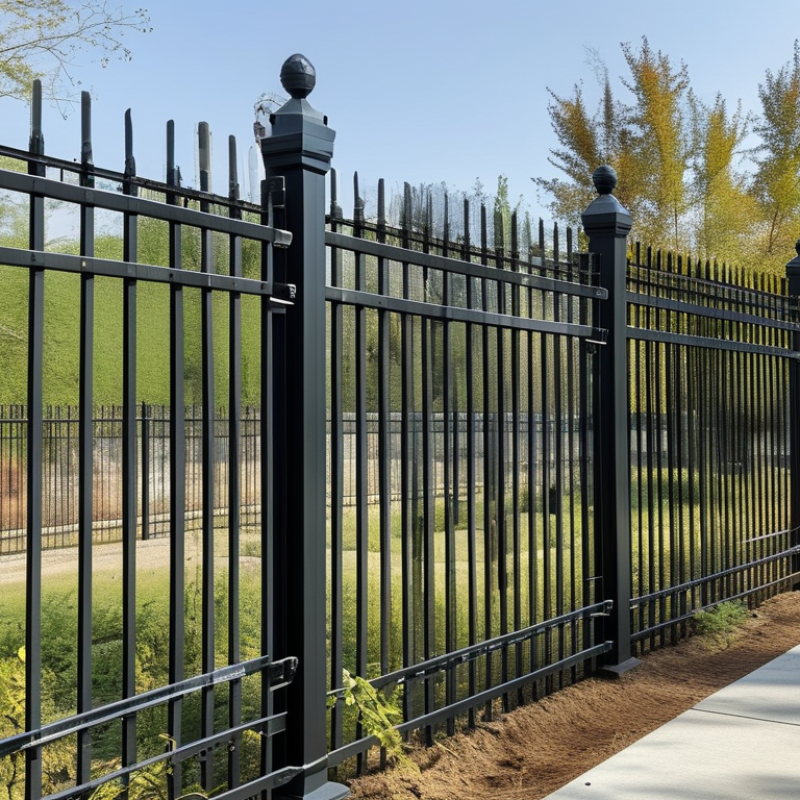
Understanding the Types of Metal Fence Panels Available in the Market
When choosing metal fence panels, it's crucial to understand the available types. There are various options, each serving different purposes. Common types include chain-link, wrought iron, and aluminum. Chain-link panels are cost-effective and provide visibility while ensuring security. Wrought iron panels are robust and elegant, ideal for decorative purposes. Aluminum offers a lightweight option that resists rust and corrosion.
Tips: Consider your project's needs. Assess the level of security required. If aesthetics matter, wrought iron may be preferable. For budget-conscious projects, chain-link could be a better fit. Each type has its pros and cons that must align with your vision.
Another aspect is maintenance. Wrought iron, while beautiful, may require more upkeep to prevent rust. Aluminum, on the other hand, generally demands less attention. Reflect on how much time and effort you can devote to maintenance. This decision could significantly impact your long-term satisfaction with the fence.
Tips: Match the fence type with your environment. In coastal areas, corrosion-resistant materials are vital. Check local regulations before finalizing your choice. Often, local guidelines can influence the type of fencing allowed. The right panel enhances both function and form.
Assessing the Durability and Maintenance Requirements of Metal Fences
When selecting metal fence panels, it's vital to evaluate durability and maintenance needs. Research indicates that aluminum and galvanized steel are top choices due to their resistance to rust and corrosion. Aluminum fences typically last over 30 years with minimal upkeep. Steel, while stronger, may require periodic painting to prevent rust.
Maintenance is often overlooked. Regular inspections can catch issues early. Simple tasks like tightening loose panels can extend lifespan significantly. Interestingly, a study by the American Fence Association found that homeowners spend around 1% of the fence's value annually on maintenance.
Durability may vary based on environmental factors. Extreme weather conditions can lead to wear and tear. Fences in coastal areas face salt exposure, increasing the need for protective coatings. Choosing the right material for your environment is crucial for longevity. A deep understanding of these aspects can ensure your project remains effective for years.
Evaluating Metal Fence Design Options to Suit Your Project's Aesthetics
When choosing metal fence panels, aesthetics play a crucial role. A well-designed fence complements your property's overall look. According to a recent industry report by the American Fence Association, the demand for metal fencing has increased by 25% over the past five years, driven by both durability and visual appeal. Factors like color, finish, and style should align with your project’s theme.
Selecting a design that harmonizes with your surroundings is essential. For example, sleek, modern panels might suit contemporary homes, while ornate, wrought-iron styles could enhance traditional architecture. Pay attention to the materials as well. Aluminum offers a lightweight option, while steel presents strength. Each material can influence the fence's appearance and maintenance needs.
**Tip:** Consider how landscaping will affect your fence's visibility. Plants can either frame your fence beautifully or obscure it entirely. Always visualize the finished look with natural elements.
Your metal fence should be functional but pleasing to the eye. Identify your priorities—security, privacy, or aesthetics. Don't overlook practical aspects. Durability ratings and maintenance requirements will impact your long-term satisfaction. Make a checklist to compare your options effectively.
How to Choose the Best Metal Fence Panels for Your Project? - Evaluating Metal Fence Design Options to Suit Your Project's Aesthetics
| Design Option |
Material Type |
Aesthetics |
Durability |
Cost |
| Flat Top |
Aluminum |
Modern |
High |
$$$ |
| Ornamental |
Wrought Iron |
Classic |
Very High |
$$$$ |
| Chain Link |
Galvanized Steel |
Functional |
Medium |
$ |
| Picket |
Aluminum |
Traditional |
High |
$$$ |
| Privacy |
Steel |
Contemporary |
Very High |
$$$$ |
Determining the Cost Factors and Budget for Metal Fence Panels
When budgeting for metal fence panels, understanding cost factors is crucial. Materials directly influence pricing. Steel, for instance, often outperforms aluminum but typically costs more. According to a report by the Metal Fencing Association, prices for steel panels range from $25 to $50 per linear foot. For aluminum, costs can vary from $20 to $35 per linear foot. Be sure to calculate the total length needed for your project to get an accurate estimate.
Installation costs also play a significant role. Hiring professionals can add $10 to $30 per linear foot, depending on labor costs in your area. Some reports suggest that DIY installations can save money, but they require time and skill. It’s essential to weigh the potential risks against the savings. Tools and equipment, such as posts and fasteners, may add an extra $5 to $10 per linear foot.
Additionally, maintenance should not be overlooked. Quality panels might cost more initially but require less upkeep over time. Cheaper options could need early replacement, leading to higher long-term expenses. Balancing upfront costs with longevity and durability will ensure your investment pays off in the end. Analyses indicate that a well-chosen metal fence can last 15 to 20 years, making it a practical choice if planned wisely.
Comparing Installation Methods for Metal Fence Panels: DIY vs. Professional
When considering metal fence panels, the installation method significantly impacts your project.
Many homeowners face the choice between DIY installation and hiring professionals.
Both options come with benefits and drawbacks.
DIY can save costs, but it requires time and skills.
Mistakes can lead to uneven panels or instability, making this option less reliable if you're not experienced.
On the other hand, hiring professionals ensures a higher level of expertise.
They understand local regulations and have the right tools.
However, professional installation can be costly.
It's essential to weigh your budget against the expected results.
You may find that what seems like a straightforward project can quickly become complex, especially if your property has uneven terrain or specific design needs.
In the end, your decision should reflect both your confidence in your abilities and your project’s demands.
Consider factors such as your skill level, the complexity of the design, and how much you value your time.
Each method has its merits, and your choice should align with your goals and resources.
Conclusion
When selecting the best metal fence panels for your project, it's essential to understand the different types available in the market, as this foundational knowledge aids in making an informed choice. Assessing the durability and maintenance requirements of each option is crucial, as metal fences can vary significantly in their long-term performance and upkeep needs.
Additionally, evaluating the design options available ensures that the aesthetic of the panels complements your project. Cost factors and budgeting play a significant role in your decision-making process, as you want to balance quality and affordability. Finally, comparing installation methods—whether opting for a DIY approach or hiring a professional—can affect both costs and the final outcome of your fencing project. By considering these aspects, you can choose metal fence panels that fulfill both functional and aesthetic requirements effectively.