
2026 How to Choose the Right Pallet Racking System for Your Warehouse?

Time:2026-06-01 Author:Sienna
0%

Choosing the right pallet racking system for your warehouse is crucial. With the industry evolving, experts offer valuable insights. For instance, Mark Williams, a recognized authority in pallet racking solutions, states, "Selecting the right system can significantly enhance warehouse efficiency." His words highlight the importance of thoughtful selection.

In today's competitive market, the right pallet racking offers not just space but also safety and accessibility. Different systems have distinct advantages. From selective racking to drive-in systems, each type addresses specific needs. Reflecting on these options often reveals flaws in previous choices. Many organizations overlook their unique requirements.

Understanding your warehouse’s layout is essential. Without this knowledge, selecting a suitable pallet racking system becomes daunting. Consideration of factors like load capacity and inventory turnover is vital. Each decision shapes operational success. A misguided choice may lead to inefficiencies and added costs. Ultimately, the goal is clear: optimizing space while maintaining safety and function in your warehouse.
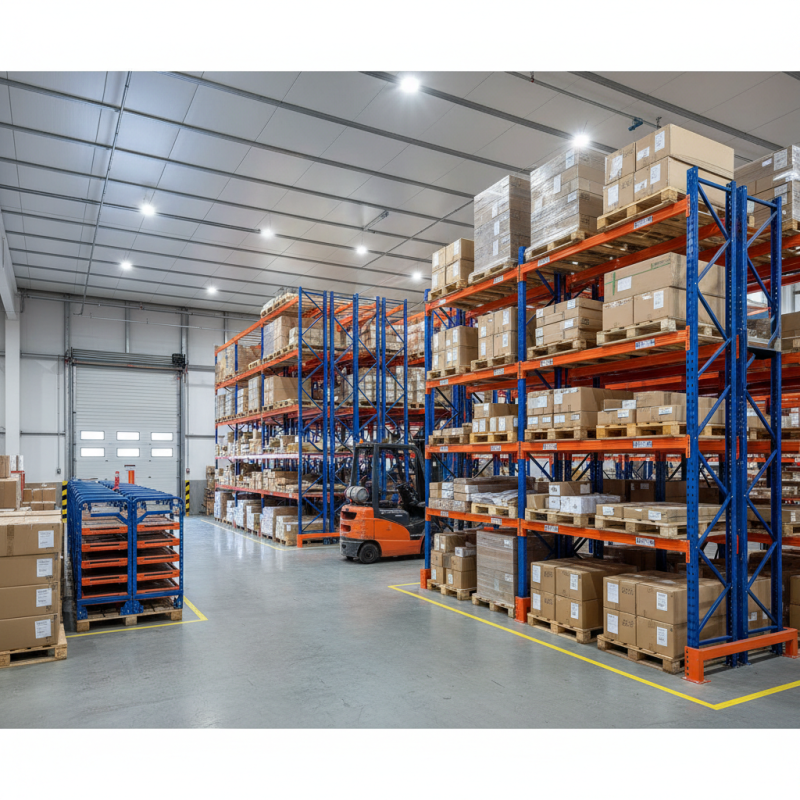
2026 How to Choose the Right Pallet Racking System for Your Warehouse?

Understanding Different Types of Pallet Racking Systems Available

Choosing the right pallet racking system is crucial for optimizing warehouse space. Different types of pallet racking systems cater to various storage needs. Selective racking, for example, allows easy access to pallets, making it versatile and widely used. However, it requires more aisle space compared to other systems. According to industry reports, approximately 70% of warehouses utilize selective racking for its ease of use.

Drive-in and drive-through racking systems are excellent for high-density storage. They facilitate stacking multiple pallets deep, but this design can complicate inventory management. A study from Warehousing Insights suggested that these systems can increase storage capacity by 50%. Yet, this often leads to challenges in product accessibility.

Finally, narrow aisle racking is ideal for maximizing space in smaller warehouses. It requires specific equipment, like narrow aisle forklifts, which can increase operational costs. A balance between storage efficiency and accessibility is essential. Reflecting on your warehouse needs will yield a more suitable racking choice. Evaluate the advantages and drawbacks of each option to avoid mismatches.

Evaluating Warehouse Space and Layout for Optimal Racking Solutions

When evaluating warehouse space and layout, consider the type of goods stored. Different items have unique requirements. Heavy products need robust racking systems, while lighter items may not. Assess the dimensions and weight of your inventory. This analysis is crucial for effective space utilization.

Next, think about accessibility. A well-designed layout should allow for easy movement of goods. Narrow aisles may save space but can hinder operations. Workers need room to maneuver forklifts or pallet jacks. Visualize how your team interacts with the racks. Are there bottlenecks that could slow down productivity?

Also, consider future needs. Warehouse demands can change over time. Will you expand your inventory? If so, ensure that your racking system can adapt. This foresight can prevent costly overhauls later. Reflect on how flexibility can elevate your warehouse efficiency while being mindful of initial layout choices.

Analyzing Load Capacity and Safety Standards in Pallet Racking Systems

Choosing the right pallet racking system is crucial. Load capacity and safety standards are key factors to consider. A study from the Material Handling Industry of America indicates that over 25% of warehouse injuries stem from improper racking system usage. Ensuring your racking system adheres to safety standards can significantly reduce these risks.

Understanding load capacity is essential for effective warehouse operations. According to the Occupational Safety and Health Administration (OSHA), pallet racks should support heavy loads without risk of collapse. It is recommended that the capacity of each rack be clearly labeled. Regular inspections are necessary to ensure structural integrity. Many companies overlook this aspect, leading to potentially hazardous situations.

Incorporating technology can enhance safety compliance. Utilizing load sensors and automated monitoring systems can help track weight limits in real-time. However, not all businesses prioritize these advancements. Balancing cost and safety is an ongoing challenge for many warehouse managers. They must weigh immediate costs against long-term safety benefits.

Cost Considerations and ROI of Implementing Racking Solutions

Choosing the right pallet racking system for your warehouse is pivotal for efficiency and cost-effectiveness. Implementing a suitable racking solution can yield significant returns on investment (ROI). According to a 2023 industry report, businesses that optimize their warehouse layout can increase space utilization by 25% or more. This improvement directly correlates with enhanced inventory flow and reduced labor costs.

Cost considerations play a crucial role in this decision-making process. Initial investment expenses should be weighed against long-term savings. A well-planned racking system can lead to a decrease in operational inefficiencies. Research indicates that improper racking can lead to losses exceeding 15% of total warehouse costs due to damages and inefficiencies. It's essential to analyze both upfront costs and ongoing maintenance when evaluating potential racking systems.

Reflecting on the ROI is critical. The right system may not always be the most expensive one on the market. Sometimes, lower-cost solutions offer better flexibility or adaptability to changing inventory needs. Regularly assessing your racking setup is vital. Many companies overlook the need for adjustment as their operational needs evolve, potentially leaving money on the table.

Future Trends in Warehouse Racking Technology and Automation Integration

In the evolving landscape of warehouse operations, automation and technology play critical roles. The integration of these advances increases efficiency and optimizes space. Businesses now seek smarter pallet racking systems that adapt to their unique needs. Future trends indicate a shift toward flexible and automated solutions that offer real-time data. This data helps with inventory management and enhances operations.

When choosing a pallet racking system, consider the layout of your warehouse. Automated guided vehicles (AGVs) can navigate efficiently through narrow aisles, allowing for denser racking. Integrating automated systems with traditional racking can improve workflow, but it requires careful planning. Does your current space allow for such a change? Time spent in reflection may uncover hidden potential.

Tips: Look for modular systems. They can be adjusted as business needs change. Also, regularly review your racking choice. Evolving technologies might render a previously ideal solution outdated. Staying adaptable is key in the modern warehouse. Embrace change, but consider the risks involved. Balancing innovation with practicality is the challenge ahead.

FAQS

: What are the different types of pallet racking systems?

: There are several types, including selective, drive-in, drive-through, and narrow aisle racking systems.

Why is selective racking commonly used?

It allows easy access to pallets and is versatile, but it requires more aisle space.

What are the benefits of drive-in racking systems?

Drive-in racking increases storage capacity by 50% but complicates inventory management.

What are the challenges of narrow aisle racking?

It maximizes space but requires narrow aisle forklifts, increasing operational costs.

How do racking systems affect warehouse efficiency?

The right system can improve space utilization by 25% or more and reduce labor costs.

What should be considered when evaluating racking systems?

Analyze both upfront costs and long-term savings, including maintenance and inefficiencies.

How can businesses reflect on their racking needs?

Regularly assess the setup to ensure it adapts to changing operational needs.

Can less expensive solutions be effective?

Yes, sometimes lower-cost options provide better flexibility for evolving inventory requirements.

Conclusion

Choosing the right pallet racking system for your warehouse is essential for optimizing storage efficiency and ensuring safety. This involves understanding the various types of pallet racking systems available, such as selective, drive-in, and push-back racks, each with its unique advantages. Evaluating your warehouse space and layout is crucial to determine the best racking solution that maximizes storage while allowing for effective accessibility and workflow.

Additionally, analyzing load capacity and adhering to safety standards are vital to prevent accidents and ensure compliance. Cost considerations, including initial investment and potential return on investment (ROI), play a significant role in decision-making. Finally, keeping an eye on future trends in warehouse racking technology, such as automation and advanced materials, can provide insights into improving operational efficiency and adapting to changing demands in the logistics sector.

Sienna

Sienna

Sienna is a skilled marketing professional with a deep expertise in our company’s core products and services. With a passion for innovation and detail, she plays a pivotal role in crafting insightful blog posts that not only highlight the unique features of our offerings but also provide valuable......