Choosing the right hardware cloth for your projects can be a daunting task. Hardware cloth is essential for many applications, from landscaping to building animal enclosures. Understanding the various options available is crucial to ensure you select the best material for your needs.
When evaluating hardware cloth, consider the mesh size, gauge, and material type. Different projects require different specifications. For instance, small mesh is ideal for containing smaller animals, while larger openings work for ventilation. The gauge influences strength and durability. A thicker gauge is often more robust but can be heavier to handle.
Researching suppliers and comparing products can reveal a spectrum of quality. Not all hardware cloth is created equal, and poor choices may lead to added costs down the line. Reflect on what has worked in past projects and assess the performance of the hardware cloth you choose. Making an informed decision can save time, effort, and resources.
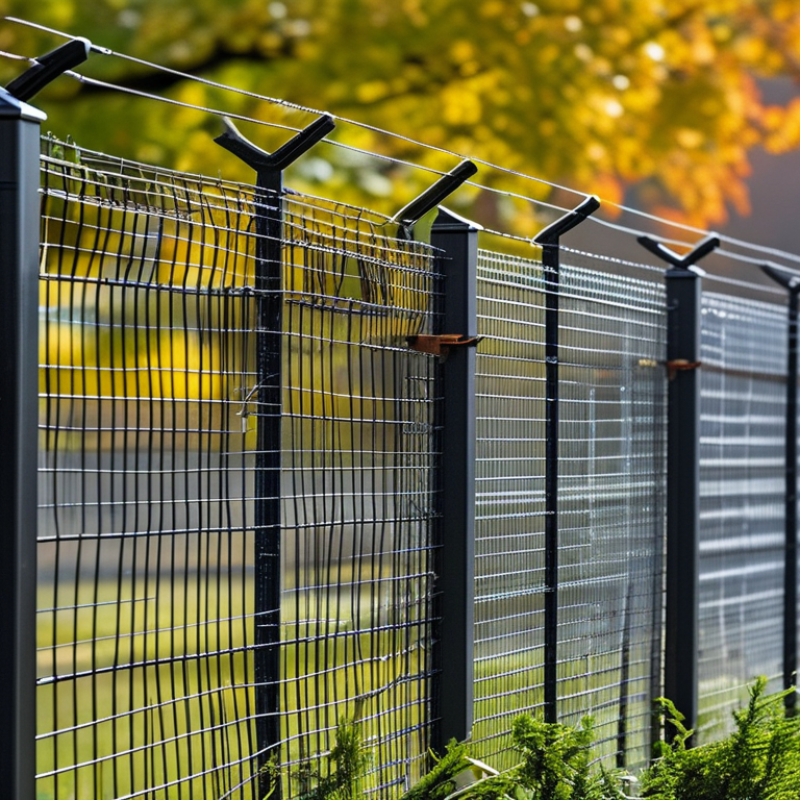
Types of Hardware Cloth and Their Uses in Projects
Choosing the right hardware cloth involves understanding its types and uses. Common types include galvanized, stainless steel, and vinyl-coated options. Each type serves different purposes in projects, making it essential to select carefully.
Galvanized hardware cloth is durable and resistant to rust. It is ideal for outdoor applications, like fencing or garden protection.
Stainless steel offers high resistance to corrosion, making it suitable for more demanding environments. However, it can be pricier and may not be necessary for all projects.
Vinyl-coated options are available for those who prefer aesthetics and a bit of added protection against the elements.
Consider the mesh size too. Smaller openings prevent pests, while larger ones allow for better airflow. Reflect on the project's specific needs. If you choose the wrong type, you may face issues down the line. Always assess whether the cloth suits your intended use and environment.
Factors to Consider When Selecting Hardware Cloth
When selecting hardware cloth for your projects, several factors are vital.
First, consider the mesh size.
A smaller mesh size provides better protection against pests while allowing air and light to pass through.
Depending on your project, a 1/4-inch mesh can effectively keep out small animals.
However, it may limit airflow compared to larger meshes.
Another crucial aspect is the material.
Hardware cloth is often made from galvanized steel or stainless steel.
Galvanized options are cost-effective but may rust over time.
Stainless steel, while pricier, offers long-lasting durability.
Assess your project's location and expected weather conditions.
Will moisture affect your choice?
Tips: Always check the manufacturer's specifications for durability against weather elements.
Test the strength by applying some pressure to ensure it meets your needs.
Consider the ease of installation, as some materials may require specialized tools.
Identifying the right hardware cloth can save time and avoid future frustrations,
but sometimes research can be overwhelming. Take time to compare options.
Gauge and Wire Size: Understanding Strength and Durability
When choosing hardware cloth, understanding gauge and wire size is crucial. The gauge indicates the thickness of the wire used in the cloth. A lower gauge number means thicker wire, providing stronger support and durability for various projects. For example, a 14-gauge wire is thicker than a 19-gauge wire. This difference impacts how well the cloth can withstand forces, resist rust, and hold up against wear and tear.
Wire size also determines the cloth's flexibility and usability. Thinner wires may bend easily but can be challenging to install for sturdy applications. While a thicker wire offers strength, it can be more difficult to cut and manipulate. Evaluate your specific project needs, as the wrong choice impacts the overall performance.
Consider factors like location and exposure to weather when selecting the right gauge. Using a high gauge for protective fencing in mild conditions might suffice, while harsher environments require a lower gauge for added durability. Remember, your choice affects the longevity of the project. Reflect on the desired outcome and how different gauges will meet your goals.
Coating Options: Galvanized vs. Vinyl for Resistance
When selecting hardware cloth, coating options are vital for durability. Galvanized cloth is steel coated in zinc. This process protects against rust and corrosion, making it suitable for outdoor projects. It’s effective in gardens, animal enclosures, and fencing. The lifespan can exceed ten years depending on the environment.
On the other hand, vinyl-coated hardware cloth offers a different kind of protection. The vinyl layer adds a touch of color but enhances resistance to weather elements. It’s often used in locations with heavy moisture. However, this coating can wear down over time, especially in extreme conditions. If you choose this option, consider maintenance needs.
Each type has its pros and cons. Galvanized cloth is generally stronger and more cost-effective. Vinyl-coated cloth might provide a more polished look. Reflect on your specific needs before making a decision. Assessing your environment and intended use is crucial. Understanding these factors will ensure you select the most suitable hardware cloth for your projects.
Project-Specific Considerations: Choosing the Right Cloth for Your Needs
Choosing the right hardware cloth is crucial for your specific project needs. Different projects require various mesh sizes and wire gauges. For instance, a garden application might call for a finer mesh size to keep out small pests, while a construction project may need sturdier gauge wire for structural integrity. According to the U.S. Department of Agriculture, appropriate wire thickness can help protect crops from animals, ensuring greater yield and sustainability in gardening.
Consider the environment where the cloth will be used. Will it be exposed to moisture or chemicals? The material's durability and resistance to corrosion are paramount. A study by the National Association of Landscape Professionals indicates that corrosion-resistant coatings can extend the lifespan of hardware cloth by 30% or more. Evaluating the local climate can guide you in selecting between galvanized, vinyl-coated, or stainless steel options.
It is essential to reflect on the application requirements. Not all projects are straightforward. Improper installation can lead to issues, such as gaps that allow pests to invade. Evaluating your tools and experience is equally important. If you lack expertise, consulting guidelines or experts can aid in achieving better results. Investing time in understanding your needs will lead to more effective and reliable outcomes in any project.
How to Choose the Best Hardware Cloth for Your Projects?
| Project Type |
Mesh Size |
Material |
Thickness |
Best Uses |
| Gardening |
1/2 inch |
Galvanized Steel |
19 gauge |
Protecting plants from pests |
| Animal Enclosure |
1 inch |
Stainless Steel |
16 gauge |
Fencing for chickens, rabbits |
| Construction |
1/4 inch |
PVC-Coated Wire |
18 gauge |
Reinforcing structures |
| Crafting |
1/2 inch |
Welded Wire |
20 gauge |
Creating decorative items |
| Windbreaks |
1 inch |
Galvanized Wire |
14 gauge |
Blocking wind in garden areas |
Conclusion
In the article "How to Choose the Best Hardware Cloth for Your Projects," various aspects of hardware cloth selection are explored to aid in project planning and execution. Different types of hardware cloth are outlined, highlighting their specific uses across a range of applications, from animal enclosures to garden fencing. Key factors to consider include gauges and wire sizes, which dictate the strength and durability necessary for different projects, as well as the coating options, such as galvanized versus vinyl, that enhance resistance to weather and rust.
Additionally, the article emphasizes the importance of project-specific considerations, guiding readers to match the right type of hardware cloth with their unique needs. By understanding these factors, individuals can make informed decisions to ensure the effectiveness and longevity of their projects while maximizing the benefits of using hardware cloth.