When it comes to securing your garden or livestock area, chicken wire remains a top choice. This versatile material serves various purposes, from keeping chickens safe to protecting plants from pests. However, choosing the best chicken wire options can be challenging for global buyers.
In 2026, many factors impact the decision-making process. Thickness, mesh size, and material quality are just a few elements to consider. Some buyers may find themselves overwhelmed by the vast number of options available. Others might underestimate the importance of selecting the right type of chicken wire for their specific needs.
This guide aims to clarify these choices, providing insights from industry experts. We will explore various chicken wire options that meet diverse requirements. Readers will gain a deeper understanding of what makes certain products stand out in the market. Whether for home use or commercial purposes, selecting the ideal chicken wire can lead to better protection and satisfaction.
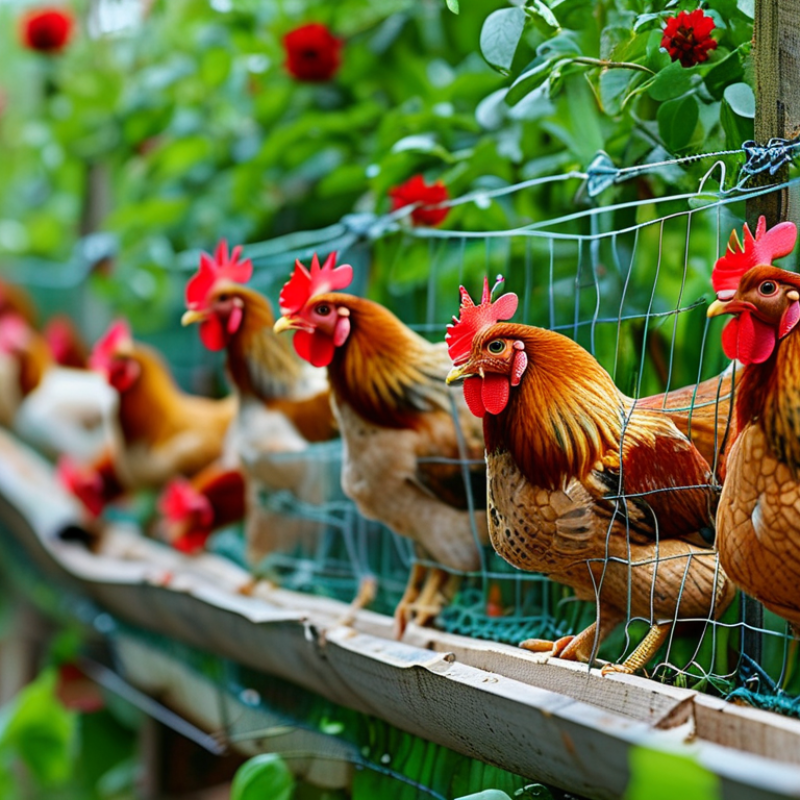
Top Types of Chicken Wire for Various Farming Needs
When selecting the best chicken wire options for farming, various types cater to different needs.
Galvanized steel wire offers excellent durability, providing resistance to rust and damage. According to industry reports, this type of wire can last up to 25 years with proper installation. However, it can be expensive for smaller farms.
Plastic-coated wire is another option. It's lightweight and easy to handle, making it popular among small-scale farmers. But it's less durable than metal alternatives, often only lasting three to five years. Farmers should consider both short-term and long-term needs when choosing.
The mesh size plays a crucial role in protecting livestock. Typical options range from half an inch to two inches. Smaller mesh sizes prevent birds and pests from entering. Larger openings are suitable for larger animals while sacrificing some security. Balancing these needs can be challenging, as many farmers may under or overestimate the threat level, leading to inadequate protection. Regular assessments of the fencing's condition are necessary to ensure effectiveness.
Key Features to Consider When Choosing Chicken Wire
When choosing chicken wire, it is vital to consider several key features. The wire gauge determines strength. Popular options range from 14 to 20 gauge. A thicker wire, like 14 gauge, provides durability against predators. However, it can also be heavier and less flexible. A 20-gauge wire is lighter, but it may not withstand harsh weather or aggressive animals.
Mesh size is another critical factor. Common sizes include 1-inch and half-inch openings. A smaller mesh size helps keep out smaller pests. However, larger openings may be easier for installation. According to the American Society of Agricultural and Biological Engineers, the ideal mesh size often depends on the type of birds being protected. For instance, smaller chickens may require finer mesh to prevent escapes and attacks.
Lastly, consider the material of the wire. Galvanized steel offers better rust resistance compared to other materials. An industry report notes that corrosion resistance extends the lifespan significantly—up to 10 years or more. Buyers should weigh these features against their specific needs. Balancing flexibility, strength, and longevity might not be straightforward. Each choice carries potential downsides that need careful reflection.
2026 Best Chicken Wire Options for Global Buyers
| Type |
Gauge |
Mesh Size |
Roll Size |
Price per Roll |
Durability |
| Galvanized Steel |
19 |
1 inch |
48" x 50' |
$45 |
High |
| PVC Coated |
20 |
1/2 inch |
36" x 100' |
$60 |
Medium |
| Stainless Steel |
21 |
1 inch |
48" x 25' |
$120 |
Very High |
| Plastic Chicken Wire |
No. 16 |
2 inch |
36" x 50' |
$35 |
Low |
| Hexagonal Wire Netting |
22 |
1 inch |
48" x 100' |
$50 |
Medium |
Comparative Analysis of Global Chicken Wire Brands
When analyzing global chicken wire brands, it’s crucial to look at various aspects. Material quality is a key factor. Some brands use galvanized steel for durability, while others opt for less resilient materials. The coating can impact longevity, especially in harsh climates. Welded joints can also differ significantly between products.
Market preferences vary by region. Some buyers prioritize flexibility and ease of installation, while others focus on the wire’s tensile strength. A chicken wire's gauge often illustrates its potential use. Heavy-duty options can withstand more pressure, making them ideal for larger animals. Light-duty varieties may work well for garden fencing but lack the strength needed for livestock.
Consumers sometimes overlook critical elements like corrosion resistance. This can lead to premature deterioration of the wire, particularly in humid environments. Research indicates that many users often make decisions based solely on price. This can result in subpar choices that fail to meet their needs. Hence, conducting thorough research and considering user reviews is essential for informed purchasing decisions.
Installation Tips for Maximizing Chicken Wire Efficiency
When installing chicken wire, proper techniques can significantly enhance its effectiveness. Begin by accurately measuring the area where the wire will be laid. This step ensures that you minimize waste and optimally use materials. Always choose a sturdy fencing framework. Wooden or metal posts can provide the support needed for a robust structure. Digging deep enough for these posts is crucial. Shallow posts lead to instability.
Another important aspect is securing the wire itself. Use proper fasteners to attach the chicken wire to the posts. Gaps can undermine your efforts, allowing unwanted animals to infiltrate. Ensure the base of the wire is buried at least a few inches underground. This deters digging pests and provides added security. Regular maintenance checks are necessary. Look for any signs of wear and tear after storms or heavy use.
Additionally, remember to consider the choice of tools for installation. While some might prefer pliers, others find that wire cutters are more efficient. Testing different methods could reveal what works best for you. Don’t rush the installation; mistakes can cost you time and resources. Take your time to ensure every aspect is done correctly. Reflect on past installations and adjust your method accordingly. Each project offers learning opportunities.
Maintenance Best Practices for Long-lasting Chicken Wire Usage
Maintaining chicken wire properly is essential for durability. Regular checks for rust and damage can prolong its lifespan. If you notice wear or bending, address it immediately. A simple patch can save trouble later. Chicken wire can be sensitive to the elements. Heavy rain or snow can warp it over time.
For best maintenance, clean the wire using a mild detergent. This removes dirt and prevents corrosion. A soft brush works wonders. Rinse thoroughly to avoid residue. Additionally, consider applying a protective coating. This may reduce rust in humid areas. Protecting your wire may feel like extra work. However, it often pays off in the long run.
Check the frame where your chicken wire is installed. A sturdy frame prevents sagging. Loose wires can create access points for pests. Regularly tighten any loose sections. Getting it right takes time, and mistakes are common. Learning from them helps you improve your maintenance routine.
FAQS
: A thicker gauge, like 14, offers better durability against predators.
Smaller mesh sizes, like half-inch openings, help keep out pests but can be harder to install.
Galvanized steel provides better rust resistance and can last up to 10 years or more.
Balance flexibility, strength, and longevity. Every choice may carry potential downsides.
Bury the base of the wire a few inches underground to deter digging animals.
Accurate measurements minimize waste and ensure efficient use of materials.
Experiment with tools like pliers and wire cutters to find what works best for you.
Dig deeply enough for posts; shallow installations can lead to instability.
Checking for wear and tear after storms helps maintain the wire's effectiveness.
Focusing solely on price may lead to subpar choices that do not meet needs.
Conclusion
In the article titled "2026 Best Chicken Wire Options for Global Buyers," the discussion revolves around selecting the most suitable chicken wire for various farming needs. It highlights different types of chicken wire available, emphasizing how they cater to specific applications in poultry farming. Key features such as gauge, material, and mesh size are crucial considerations when making a choice to ensure durability and functionality.
The article also provides a comparative analysis of global chicken wire options, enabling buyers to make informed decisions. Additionally, it includes practical installation tips to enhance the effectiveness of chicken wire, along with maintenance best practices that aim to extend its lifespan. This comprehensive guide serves as a valuable resource for global buyers looking to optimize their use of chicken wire in farming operations.