
2026 Top Panel Fence Trends What Global Buyers Need to Know

Time:2026-07-21 Author:Charlotte
0%

The panel fence market is evolving rapidly as global buyers seek innovative solutions for residential and commercial spaces. According to a recent report by Grand View Research, the fencing market, valued at USD 38.2 billion in 2022, is expected to grow due to increased demand for privacy and security. Panel fence options have become increasingly popular, driven by trends in design and functionality.

Diverse materials and styles are reshaping the landscape of fences. Wood, vinyl, and metal panels offer varying benefits. For instance, wood provides an aesthetic appeal, while vinyl offers low maintenance. In 2023, approximately 45% of households reported considering panel fences for their renovation projects. Yet, some buyers remain hesitant, unsure about durability and installation complexities.

Investing in panel fences can provide long-term value, but challenges exist. Misalignment between buyer expectations and product performance can lead to dissatisfaction. Detailed research and understanding of market trends are essential for informed purchasing decisions. Buyers need to reflect on their needs before committing to trends that may not be a perfect fit. As the industry continues to innovate, staying informed is crucial for making successful choices in panel fencing.
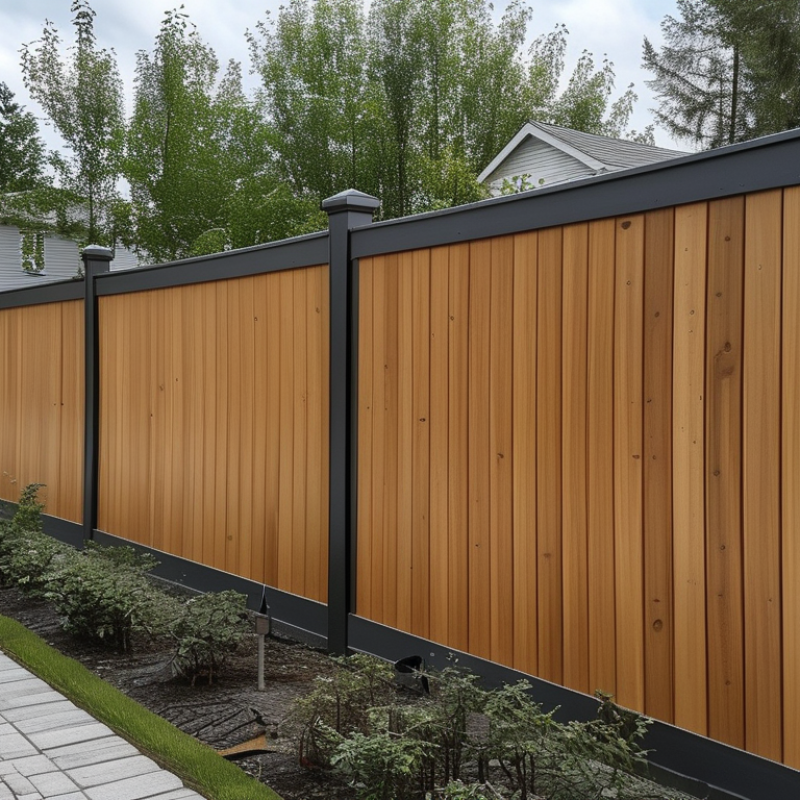
2026 Top Panel Fence Trends What Global Buyers Need to Know

2026 Fence Panel Design Innovations Shaping the Market Landscape

The fence panel market is undergoing significant innovation in 2026. A recent report indicates that 72% of global buyers prioritize sustainability in design. This shift is reshaping not only materials used but also production methods. Buyers are increasingly leaning towards panels made from recycled materials. Innovations in weather-resistant coatings are also gaining traction, allowing for longer-lasting aesthetics without compromising sustainability.

Additionally, modular designs are becoming popular. These panels are easier to install and replace. Research shows that 58% of consumers prefer customizable fencing solutions that cater to their specific needs. This trend drives manufacturers to offer a variety of styles and finishes. However, not every company has adapted effectively. Some traditional designs struggle to meet evolving consumer expectations.

The rise of technology in fencing solutions is noteworthy too. Smart technologies are being integrated into fence panels for security and functionality. Nevertheless, the adoption rate remains varied. Certain markets still lag in understanding the benefits. Thus, while the innovations present exciting opportunities, challenges remain in bridging gaps in consumer awareness and manufacturer adaptation.

Sustainability Trends in Global Fence Panel Manufacturing Practices

As global demand for sustainable fencing solutions grows, manufacturers face new challenges. Reports indicate that nearly 75% of fence panels produced in 2025 will incorporate recycled materials. This shift reflects a broader commitment to reduce carbon footprints. Traditional lumber sources are being reconsidered, paving the way for innovative materials like bamboo and composite plastics.

Sustainability not only helps the environment but also drives cost efficiencies. According to a 2023 study, companies that adopted eco-friendly practices saw a 15% reduction in production costs. However, transitioning to sustainable materials can be complex. Some manufacturers struggle with supply chain inconsistencies. There is also the challenge of educating customers about the benefits of these green materials.

Technology plays an essential role in this transformation. Advanced manufacturing processes enhance the durability and appearance of sustainable fence panels. Overall, as these trends evolve, the need for transparency in sourcing and production will be crucial. Industry leaders must prioritize sustainability while navigating the fluctuating demands of global markets.

2026 Top Panel Fence Trends - Sustainability in Global Fence Panel Manufacturing

Key Materials Driving the 2026 Fence Panel Trends and Their Benefits

As we approach 2026, the fencing industry is evolving. Material choice is critical for durability and aesthetics. Wood, vinyl, and metal are leading materials, each with unique benefits.

Wood remains a popular option. It offers natural beauty and customizability. However, it requires maintenance. Over time, wood can warp or decay. Buyers should consider climate factors that affect wood longevity.

Vinyl is rising in popularity due to its low maintenance and variety of styles. It resists fading and moisture damage. Yet, some may find it less durable in harsh conditions. Metal fencing, often galvanized or coated, provides security. Though it can be expensive, its lifespan justifies the cost. Each material has pros and cons. Understanding these will help buyers make informed choices for their fencing needs in 2026.

Consumer Preferences: A Look at Global Buyer Demands for Fence Panels

As global buyers seek fence panels, consumer preferences are shifting. Sustainability remains a key factor. A report from Grand View Research shows that over 60% of buyers prefer eco-friendly materials. This trend indicates a growing concern for the environment. Many consumers are looking for products that reduce carbon footprints.

Safety and durability are also critical considerations. A recent survey from Statista revealed that 40% of respondents prioritize long-lasting materials. Buyers want panels that can withstand harsh weather and resist damage. They also seek designs that enhance security without sacrificing aesthetics.

Cost-effectiveness continues to be a major factor. While some consumers are willing to invest in premium products, budget constraints cannot be ignored. Innovative materials that balance quality and price are gaining popularity. This landscape is marked by a delicate mix of preferences and practicality, revealing an ongoing need for manufacturers to adapt.

Regional Variations in Fence Panel Styles and Buying Trends Worldwide

The global fence panel market is experiencing significant shifts in styles and preferences, influenced by regional variations. In North America, for instance, wood and vinyl remain popular, appealing for their aesthetic and durability. A study by Grand View Research notes that the fencing market is projected to grow at a CAGR of 4.3% from 2023 to 2030. This growth reflects changing landscape designs and consumer desires for privacy.

In Europe, trends diverge as metal fencing gains traction. Countries like Germany and the UK emphasize modern designs, integrating functionality with style. An International Market Analysis indicated that 35% of European buyers demand eco-friendly materials, showcasing a shift towards sustainability in fencing. However, not all regions embrace this trend equally; some still prefer traditional wood.

Australia showcases a blend of materials, with a rising interest in composite panels. The likes of these panels offer strength and versatility. According to industry reports, 27% of Australian homeowners prioritize low maintenance products. Despite these trends, some consumers remain skeptical about the longevity of new materials, necessitating ongoing education and demonstration of their benefits.

2026 Top Panel Fence Trends What Global Buyers Need to Know

Region Fence Panel Style Material Color Trends Buying Trends
North America Picket Fences Wood, Vinyl Natural Wood, White Increasing DIY projects
Europe Modern Metal Panels Aluminum, Steel Gray, Black Sustainability focus
Asia Bamboo Fencing Bamboo, Wood Natural Green Cultural traditional preference
South America Composite Fencing Composite Material Earth Tones Increase in urban residential fencing
Oceania Horizontal Slat Fencing Timber, Composite Light Wood, Dark Stains Focus on modern aesthetics

FAQS

: What percentage of fence panels will use recycled materials by 2025?

: Nearly 75% of fence panels produced in 2025 will incorporate recycled materials.

Why is sustainability important for manufacturers?

Sustainability reduces carbon footprints and enhances cost efficiencies for manufacturers.

What challenges do manufacturers face when switching to sustainable materials?

Some struggle with supply chain inconsistencies and customer education about green materials.

What materials are commonly used in fence panel manufacturing?

Wood, vinyl, and metal are the leading materials, each offering unique benefits.

What are the drawbacks of using wood for fencing?

Wood requires maintenance and can warp or decay over time, depending on climate factors.

Why is vinyl gaining popularity in fencing?

Vinyl is low maintenance, resists fading, and offers a variety of styles.

What should buyers consider when choosing metal fencing?

Metal fencing provides good security, but it can be expensive despite its long lifespan.

How important is cost-effectiveness to consumers?

Cost-effectiveness is crucial, with many consumers balancing quality and price.

What factors do consumers prioritize when choosing fence panels?

Sustainability, safety, durability, and aesthetic design are key considerations for consumers.

How can manufacturers adapt to changing consumer preferences?

They need to innovate materials that balance quality, environmental concerns, and price.

Conclusion

The article "2026 Top Panel Fence Trends What Global Buyers Need to Know" explores the dynamic landscape of panel fence design and manufacturing for the upcoming year. It highlights innovative designs that are set to reshape market offerings, emphasizing the importance of sustainability in production practices. As environmental concerns rise, manufacturers are increasingly adopting eco-friendly materials and processes that appeal to conscious consumers.

Moreover, the piece examines the key materials driving these trends, assessing their benefits and how they meet the diverse preferences of global buyers. Regional variations in styles and buying trends further illustrate the complexities of the panel fence market, reflecting local tastes and cultural influences. Understanding these elements will be crucial for buyers looking to make informed decisions in 2026.

Charlotte

Charlotte

Charlotte is a seasoned marketing professional with a deep understanding of the company's portfolio and a passion for elevating its presence in the market. With a keen eye for detail and a commitment to excellence, she ensures that our professional blog is regularly updated with insightful articles......