Barbed wire serves as a crucial security measure worldwide. It is widely used for fencing, protection, and crowd control. Understanding the various types of barbed wire is essential for global buyers planning to make informed decisions in 2026.
Each type of barbed wire has its unique features. Some are designed for agricultural use, while others suit industrial applications. The choice depends on specific needs and environmental conditions. Buyers must consider factors like durability, gauge thickness, and design intricacies.
In a rapidly evolving market, it is vital to identify the best options. Awareness of regional differences is important. Buyers should also reflect on their long-term needs. They might find they initially overlook critical features. This article aims to highlight top barbed wire choices for 2026, assisting buyers in making reliable selections.
Overview of Barbed Wire: Definition and Purpose
Barbed wire, a fencing material, has been vital in agriculture and security. Its definition highlights twisted wire strands featuring sharp barbs. This design deters intruders and keeps animals contained. According to a report by Mordor Intelligence, the global barbed wire market was valued at over $4 billion in 2021. The demand continues to grow as land use changes.
The primary purpose of barbed wire is to establish boundaries. It offers a clear visual cue of property lines. Additionally, it is used in agricultural settings to protect crops from wildlife. In an era of increasing environmental changes, the need for effective fencing is becoming crucial. The Global Agricultural Fencing Market is projected to grow at a CAGR of 4.6% from 2021 to 2026.
However, there are challenges associated with barbed wire. Its installation can be labor-intensive. In some cases, it may not provide the desired level of security for specific areas. Users must consider local laws regulating its use. Each project's context determines the effectiveness of barbed wire. The balance between functionality and safety is not always easily achieved.
Historical Evolution of Barbed Wire Types and Uses
The evolution of barbed wire traces back to the late 19th century. Initially designed for livestock fencing, barbed wire quickly became essential in agriculture. Farmers quickly seized its potential for keeping animals in check. In the American West, it transformed land management practices, shaping ranching as we know it today.
Different designs emerged over time. The twisted patterns became popular for their heightened effectiveness. Today, you can find various types tailored to specific needs. These include single- and double-stranded wires. Each type varies in sharpness and spacing, impacting its function. For example, tighter spacing increases security but may be less effective against larger animals.
Tip: When selecting barbed wire, consider its primary purpose. Is it for containing livestock or providing security? Matching the type to your needs is crucial.
Somewhat surprisingly, barbed wire was also used in warfare. Its presence influenced military strategies and fortifications. The harsh reality of these uses raises ethical questions. Balancing utility and humane considerations remains complex and often unresolved.
Tip: Always evaluate the impact of barbed wire in its installation area. Local wildlife can be affected. Be mindful of your surroundings.
Criteria for Selecting Barbed Wire Types for Different Applications
When selecting barbed wire for various applications, it’s essential to consider several criteria. The wire's gauge plays a crucial role. Thicker wire provides more strength and durability, making it ideal for secure installations. On the other hand, a thinner gauge may be preferable for temporary or less critical boundaries.
Material choice is also significant. Galvanized steel offers rust resistance, ensuring longevity in outdoor settings. PVC-coated wire is visually appealing and provides additional weather protection. The type of barbs should not be overlooked. Proximity and shape can affect both security and functionality. More closely spaced barbs increase deterrence against intruders, while wider spacing may be less intimidating but can reduce costs.
Another consideration is the ultimate application of the barbed wire. Livestock management, for instance, may require specific types that prevent animals from getting entangled. Temporary fencing solutions might benefit from lighter, easily deployable wire. Each use case demands a thoughtful approach to wire selection, ensuring effectiveness while maintaining safety and reliability.
Top 10 Barbed Wire Varieties: Features and Specifications
Barbed wire is a critical element in security and agricultural settings. Understanding various types can enhance your purchasing decisions. The market offers several barbed wire varieties, each with tailored specifications to suit specific needs.
One popular type is the high-tensile barbed wire. This wire is known for its durability, stretching up to 20% without breaking. According to a recent industry report, high-tensile wire has shown a 15% increase in demand over the past five years. It is perfect for fencing vast agricultural lands and effective for livestock management. Another variety is the galvanized barbed wire. This wire is coated with zinc to resist rust and corrosion, ensuring a longer lifespan. It is often preferred in areas with high moisture levels.
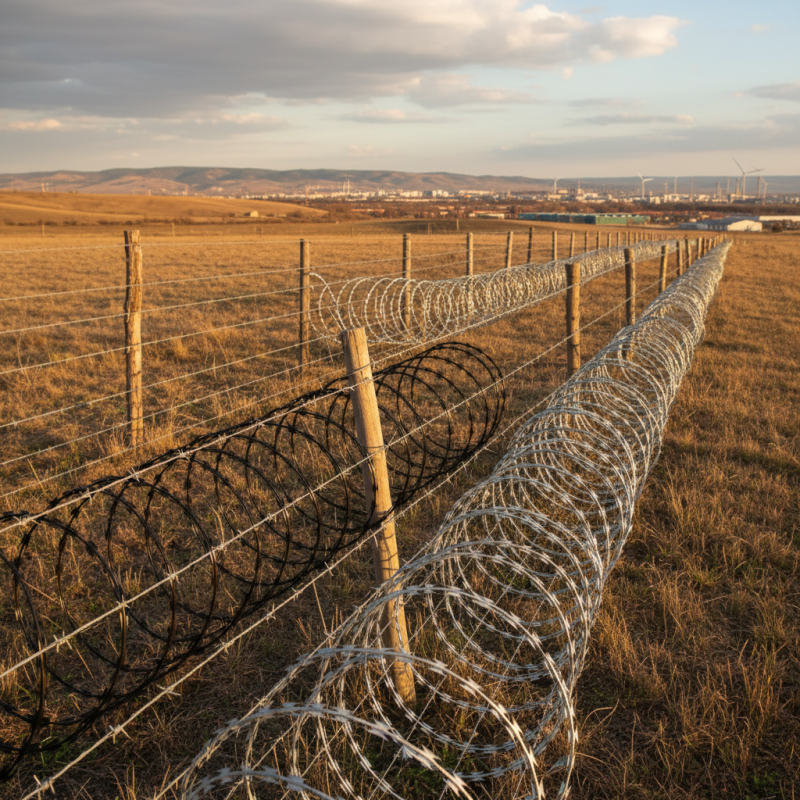
Razor wire also has unique features. It provides enhanced security through sharp edges, deterring potential intruders. While effective, it requires careful handling due to its hazardous nature. Some reports indicate that razor wire installations have risen by 10% in urban security systems. Understanding these varieties can guide buyers in making informed choices tailored to their specific requirements.
Global Market Trends for Barbed Wire in 2026 and Beyond
As we look toward 2026, the global barbed wire market is poised for significant transformation. Industrial expansion, coupled with heightened security concerns, drives demand across various sectors. Key markets include agriculture, construction, and security fencing solutions. Innovations in materials, such as galvanized and stainless steel, are enhancing durability and effectiveness.
Observations indicate that sustainability will be a major trend. Buyers are increasingly seeking environmentally friendly options. Manufacturers may need to adapt to this shift. Recycling old barbed wire or using eco-friendly coatings can attract conscious consumers. Reliability in supply chains is critical as geopolitical tensions rise. A diversified supplier network can mitigate risks associated with sourcing.
Tips: Focus on quality over price. Low-cost options may lead to increased maintenance.
Additionally, considering local regulations is essential. Compliance can prevent costly interruptions. Understanding the unique needs of your region can result in smarter purchasing decisions. Always ask for product specifications to ensure they meet your specific requirements.
Remember, the right type of barbed wire can enhance security and prevent unauthorized access, but not all products suit every application. Evaluate carefully. Aim for longevity and functionality in your choices, ensuring your investments stand the test of time.
Top 10 Barbed Wire Types for Global Buyers in 2026
FAQS
: Barbed wire is mainly used to establish boundaries and protect crops from wildlife.
Thicker wire offers more strength and durability, ideal for secure installations.
Common materials include galvanized steel for rust resistance and PVC-coated wire for visual appeal.
Closer spaced barbs provide better deterrence, while wider spacing can reduce costs.
Increased demand driven by industrial expansion and a focus on sustainability are anticipated.
Low-cost options can lead to higher maintenance needs, impacting long-term reliability.
Compliance with local laws is crucial to avoid interruptions and fines in projects.
Specific types are needed to prevent animals from becoming entangled.
Consumers may prefer eco-friendly options, prompting manufacturers to adapt to these preferences.
Always ask for product specifications to ensure they meet your specific requirements.
Conclusion
The article titled "Top 10 Barbed Wire Types for Global Buyers in 2026" provides a comprehensive guide to understanding barbed wire, its history, and its diverse applications. It begins with an overview of barbed wire, defining its purpose as a vital fencing solution for security and containment. The historical evolution of barbed wire types illustrates how its design has adapted to meet various needs over time, highlighting its significance in different contexts.
The article also outlines essential criteria for selecting the appropriate barbed wire type based on specific applications, ensuring buyers make informed decisions. A detailed analysis of the top 10 barbed wire varieties is presented, emphasizing their features and specifications. Furthermore, it discusses global market trends in barbed wire, projecting developments and innovations expected in 2026 and beyond, thus serving as a valuable resource for prospective buyers aiming to navigate the barbed wire landscape effectively.